

Leaving the Nest
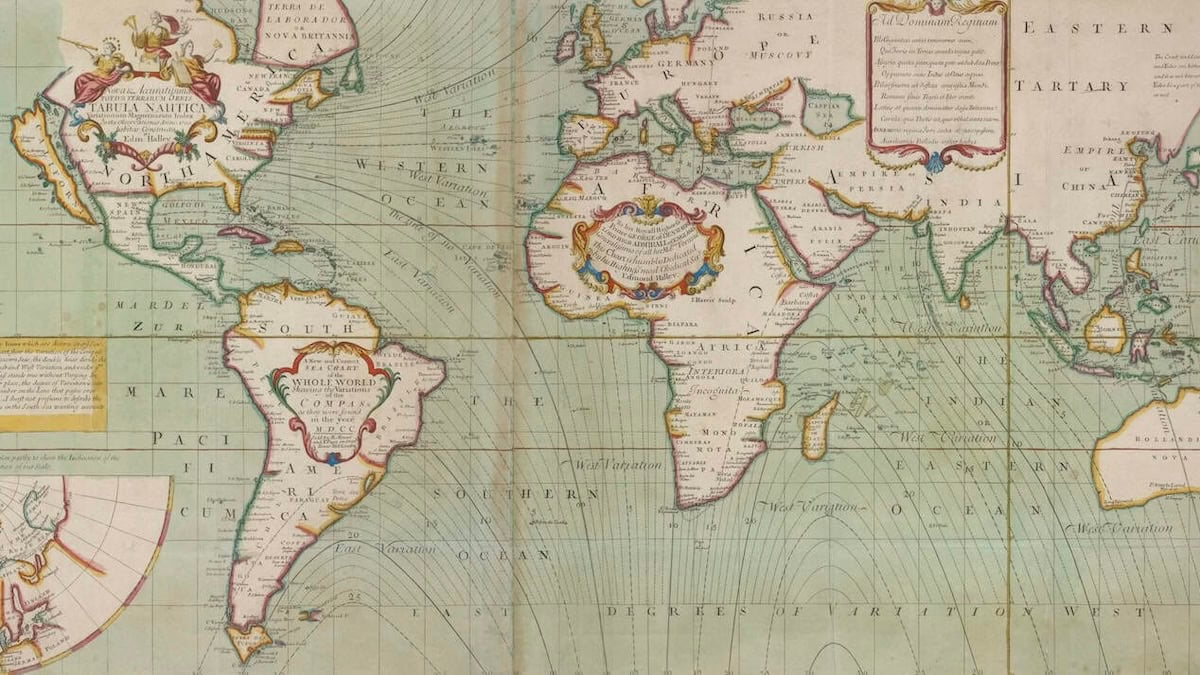
Imagine if all the cuisines of the world used the same spices. How bland would our lives be? If there's one thing that every cuisine has in common, it’s the use of unique spices to showcase local flavors. But clearly, these spices aren't only used locally, and many cuisines use spices from other regions, so how and why did they go from place to place?
The spice trade is as old as civilization. For millennia, spices traveled with us from continent to continent, and we passed them down from generation to generation in the never-ending evolution of cooking and medicine.
Spices fueled the hearts of explorers, generals, and kings. They helped build and topple empires. If only they could talk!
Learning about spices is learning about ourselves. The story of spice is as much about humanity as it is about botany. Here are the stories of how some of our favorite spices and blends left their native land and arrived on the global scene.
The Heated Story of Black Pepper
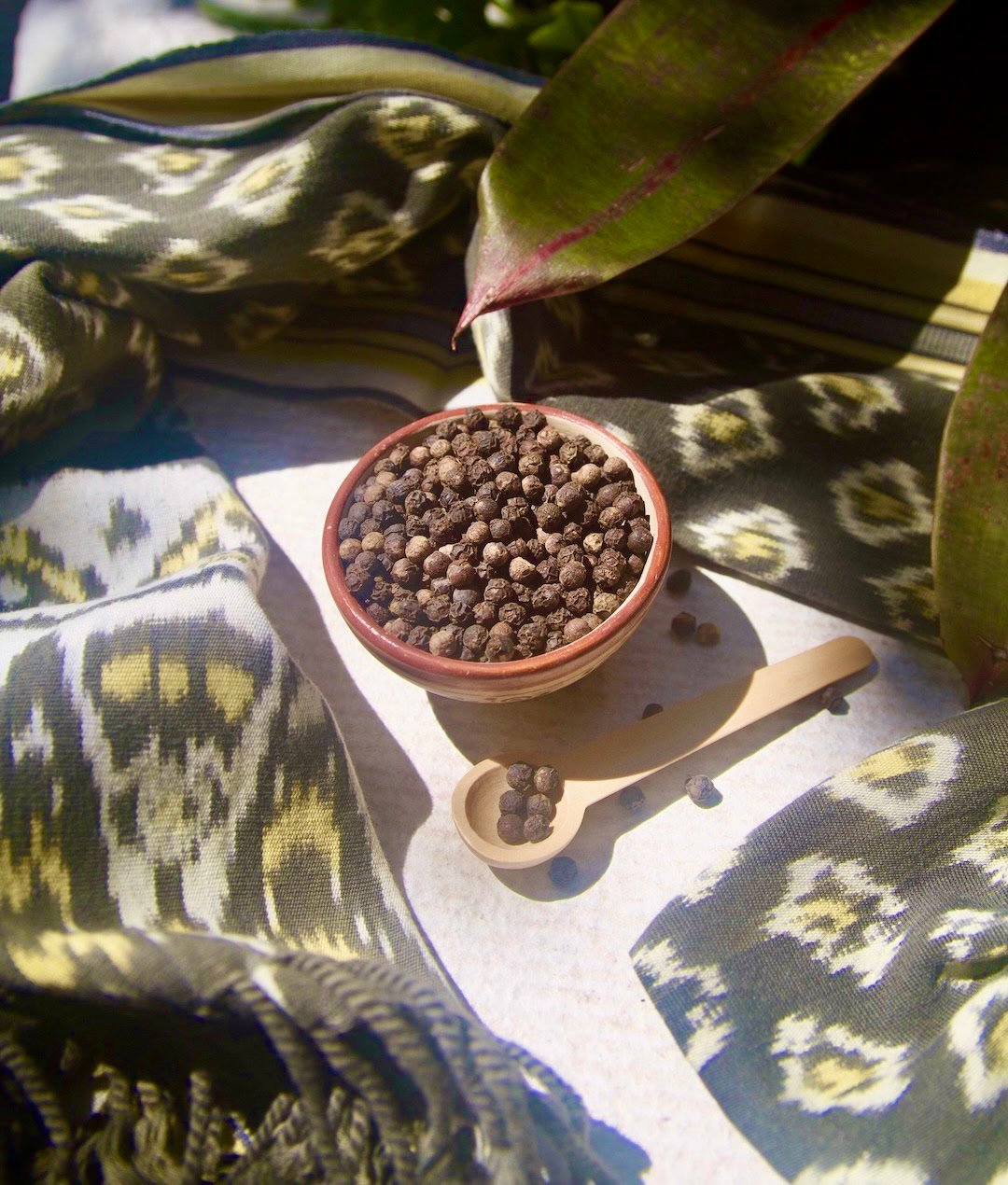
Native to India's southwestern coast, black peppercorns may have been traded by ancient civilizations as far back as 2000 BCE. The spice trade was one of the most lucrative businesses of the ancient world, and spices coming from Asia were the most valuable. The allure of the exotic and unknown fueled much of the demand from the West.
When black pepper's popularity spread to Europe, Venetian and Arab traders controlled the spice trade across the Mediterranean. Their high prices led the major political and economic powers to find their own way to the origin of this precious cargo.
The search for alternative spice routes, especially for the coveted black pepper, was a driving force behind the Age of Exploration, and one of the key factors that led Christopher Columbus to the Americas in 1492. So while the explorers did eventually bring black pepper to the world, it was really black pepper that brought them to the world.
Ceylon Cinnamon, Sri Lanka's Crown Jewel
True cinnamon is the bark of the Cinnamomum verum tree. Also known as Ceylon cinnamon, this fragrant tree bark is native to Sri Lanka (Ceylon was its colonial-era name), a drop-shaped island about 15 miles off India's southeastern coast.
As with black pepper, Arab traders carried the spice from South Asia to Europe. By the Middle Ages, Ceylon cinnamon was more than a popular spice; it was a status symbol. The Portuguese first reached Sri Lanka and colonized it, but the small island and its precious cinnamon exchanged hands, first to the Dutch and then to the British.
The increased availability of cassia cinnamon species in China, Vietnam, and Indonesia (cheaper spices with a more pungent scent) caused true cinnamon's global dominance to wane. But it never lost love. Today, high-quality Ceylon cinnamon still commands high prices and global demand.

Paprika, the Spirit of Spain and Hungary
Spanish sausages like the famous chorizo and renowned tapas like patatas bravas wouldn't have their signature savory smokiness without paprika. What is this iconic red spice, and where does it come from?
All chile peppers are native to the Americas, from Mexico and Central America to South America. When Columbus discovered these spicy little fruits, he saw in them a suitable alternative to the other hot spices that were taking Europe by storm: black pepper, long pepper, and grains of paradise.
When chiles landed on the shores of Spain, Spanish farmers began drying, smoking, and blending them. This was the first paprika, and it soon became a favorite seasoning. As its popularity expanded in the 16th century, chiles arrived in Hungary. Farmers there began breeding pepper varieties for varying levels of heat and sweetness. The creation of new, milder varieties thus became a profitable endeavor.
Many types of paprika evolved out of this creative process. By the 19th century, the spice had gained widespread acclaim, becoming a staple in cuisines across Europe and a sought-after spice globally.
Nutmeg and Mace, Treasures from the Spice Islands
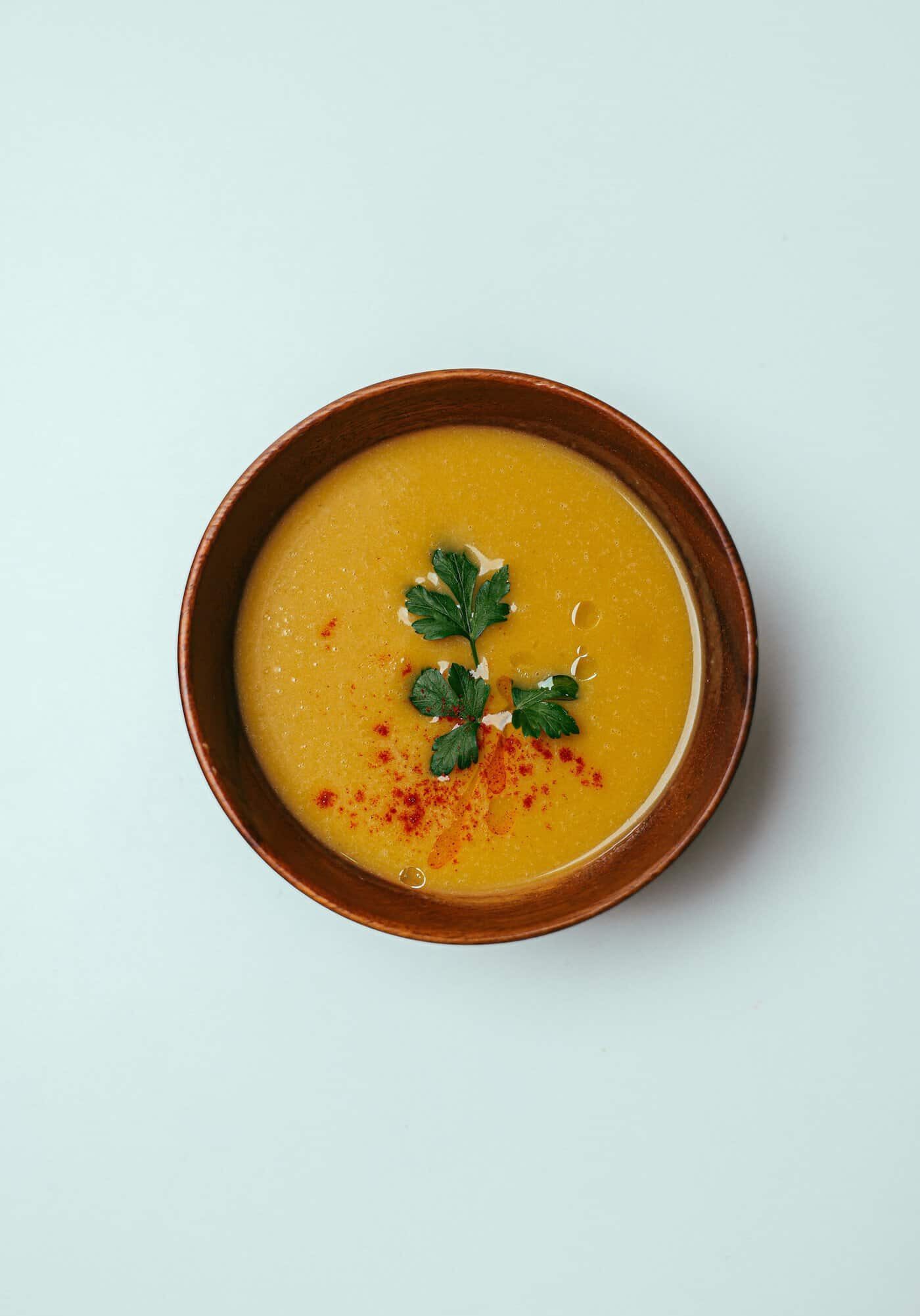
One of the most popular winter spices, nutmeg, and its sister spice, mace, come from the same fruit of the Myristica fragrans tree. Nutmeg is the seed found inside the fruit, while mace is the red lacy covering (called an aril) that surrounds the seed.
To find their origin, we must travel to the Maluku Islands (also known as the Moluccas), an archipelago in eastern Indonesia. These tropical isles are known as the Spice Islands for their claim to nutmeg, mace, and cloves.
Arab merchants reached them in the 14th century. When these desirable spices reached Europe, they were treasured for more than their flavor; they were even believed to protect people from the plague.
When the mighty Portuguese trading ships arrived at the islands in the 16th century, they disrupted the established spice routes and seized a share of the trade. The Dutch later fought to monopolize it, but the British eventually carried nutmeg seedlings to their own colonies, including the Caribbean island of Grenada, where nutmeg and mace found a new home.

Saffron, the Most Expensive Spice on Earth
Pound for pound, saffron is the most expensive spice on earth. It makes sense when you consider that farmers must pick and pluck the flower's stigmas by hand, and sort and dry them in a labor-intensive and time-consuming process. One must pick 150 flowers to get only 1g (0.035 oz) of dried saffron threads.
Ancient civilizations, including the Minoans and the Egyptians, cherished the spice known as red gold. Legend has it that Cleopatra bathed in milk and saffron regularly over 2,000 years ago.
Greek mythology tells the tale of a brave young man named Crocus being transformed into the purple flower by the nymph Smilax after failing to court her.
With the Mediterranean as a commercial speedway, the flower soon arrived in Northern Africa, Turkey, and the Arabian Peninsula. From there, traders took the spice east to India, Mongolia, and China.
The mighty Romans made sure to take their love for saffron to all the known world.

Allspice, a Tropical Blessing
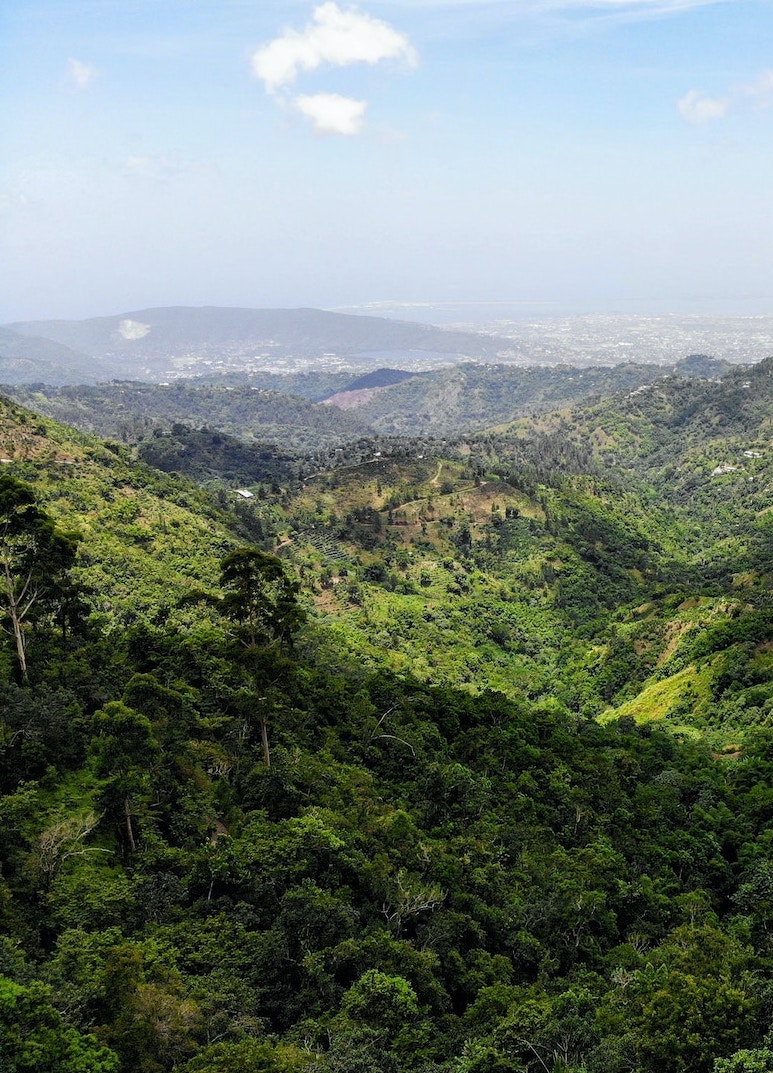
Allspice, also known as Jamaica pepper, is native to the Greater Antilles, Southern Mexico, and Central America.
The Maya harvested the fruit and sun-dried it for both culinary and ceremonial purposes.
When the Spanish reached the Americas in the late 15th century, they marveled at the wide variety of ingredients and spices available. They named allspice pimienta gorda, or fat peppercorn.
It was the English, though, who gave it the name "allspice" in the early 1600s. They found in the Caribbean spice the combined flavors of cinnamon, nutmeg, and cloves, and gave it a name that suited its versatility.
Allspice has specific cultivation requirements. The seeds often need to pass through the digestive tract of certain birds to germinate effectively. This initially made it rather difficult to produce the spice outside of its native range. Jamaican growers guarded against exporting the plant, and many early attempts to grow it from seed elsewhere failed. Eventually, allspice seeds were transported to the Pacific Islands, including Hawaii, where it was naturalized.
Vanilla, the Sweet Spice
Vanilla is unique. An edible orchid native to Mexico and Central America, vanilla was first domesticated by the Totonac people living in Mexico’s Gulf Coast. By the 15th century, the aromatic pods were widely cherished by the Aztecs.
Vanilla was incredibly popular as a flavoring for chocolate beverages, so the Aztecs demanded vanilla tributes from the Totonac.
When the Spanish conquerors arrived in Mexico, they were surprised by the delightful spice and its heartwarming scent. Vanilla became very popular in Spain and later France. The French embraced the spice and played a significant role in developing its many culinary uses.
For centuries, Mexico was the sole vanilla producer. Planters carried the orchid to other tropical colonies, but without its native bee pollinators, it rarely bore fruit. Then, in 1841, a 12-year-old enslaved boy named Edmond Albius discovered a quick way to pollinate the flowers by hand on the French island of Réunion, a technique growers still use today. Vanilla farming soon spread to Madagascar, Indonesia, and beyond, where it became an important agricultural product.
In 1874, German chemists synthesized vanillin, and it soon became commercially available in much greater volume than true vanilla pods. The vast majority of vanilla in today's market (over 99%) is not the real thing, and although synthesized vanillin is still tasty, nothing beats the authentic full flavor of vanilla pods straight from the orchid.
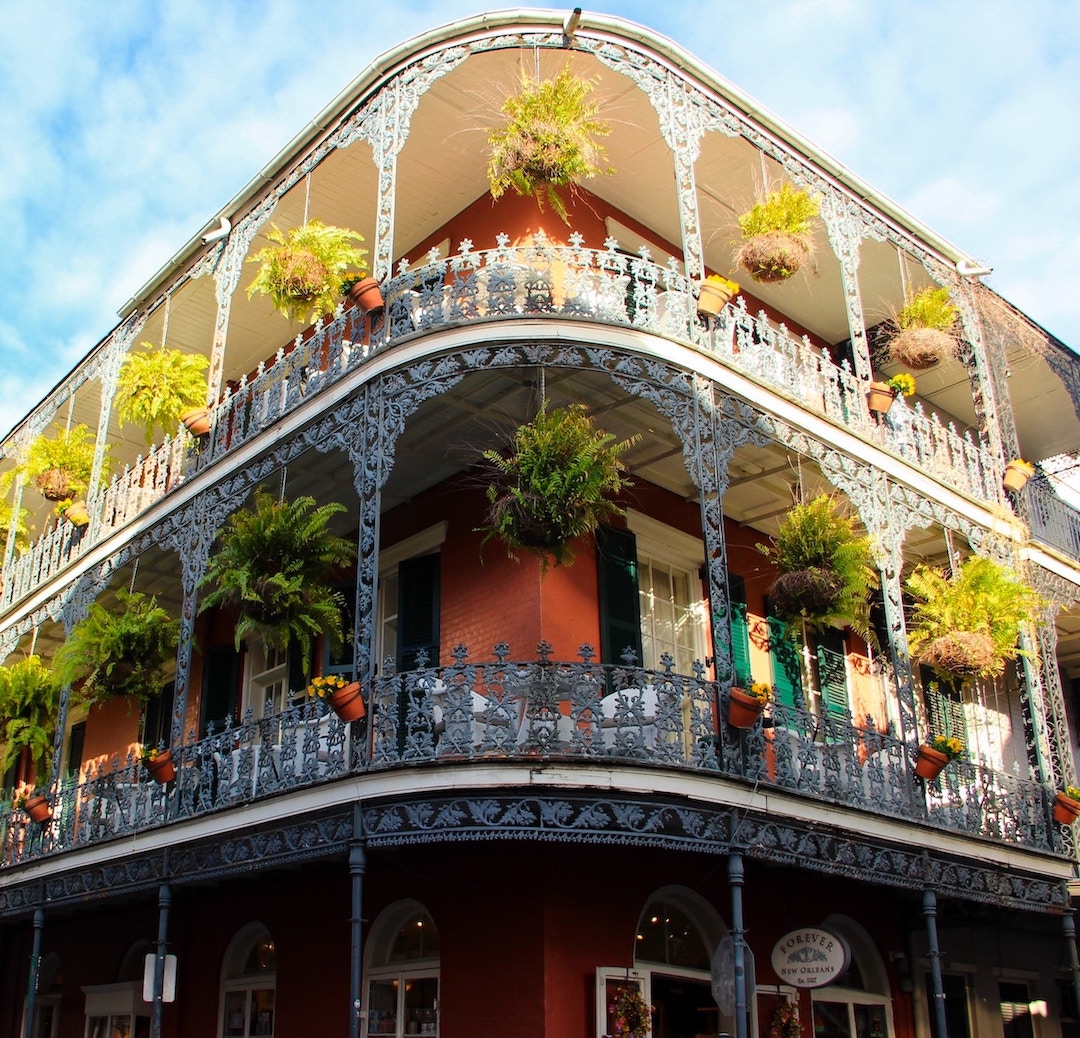
Cajun Seasoning, Flavors from the American South
Cajun seasonings vary, but more often than not they blend paprika, onion powder, salt, white pepper, cayenne, oregano, and thyme.
The flavorful spice blend has a unique story. Beginning in 1755, the British deported thousands of French-speaking Acadians from their homes in what is now Nova Scotia, Canada, during the conflict that became the Seven Years' War. Over the following decades, many found a new home in southern Louisiana.
Here, French culinary traditions merged with Spanish and West African. This cultural melding gave rise to what we know today as Cajun cuisine. Green bell peppers, onions, and celery became the region's 'holy trinity' of ingredients, but it was their spice blends that elevated Cajun cooking to the next level. Gumbo, jambalaya, rice and gravy, and boudin sausage are all infused with this multicultural blend of flavors.
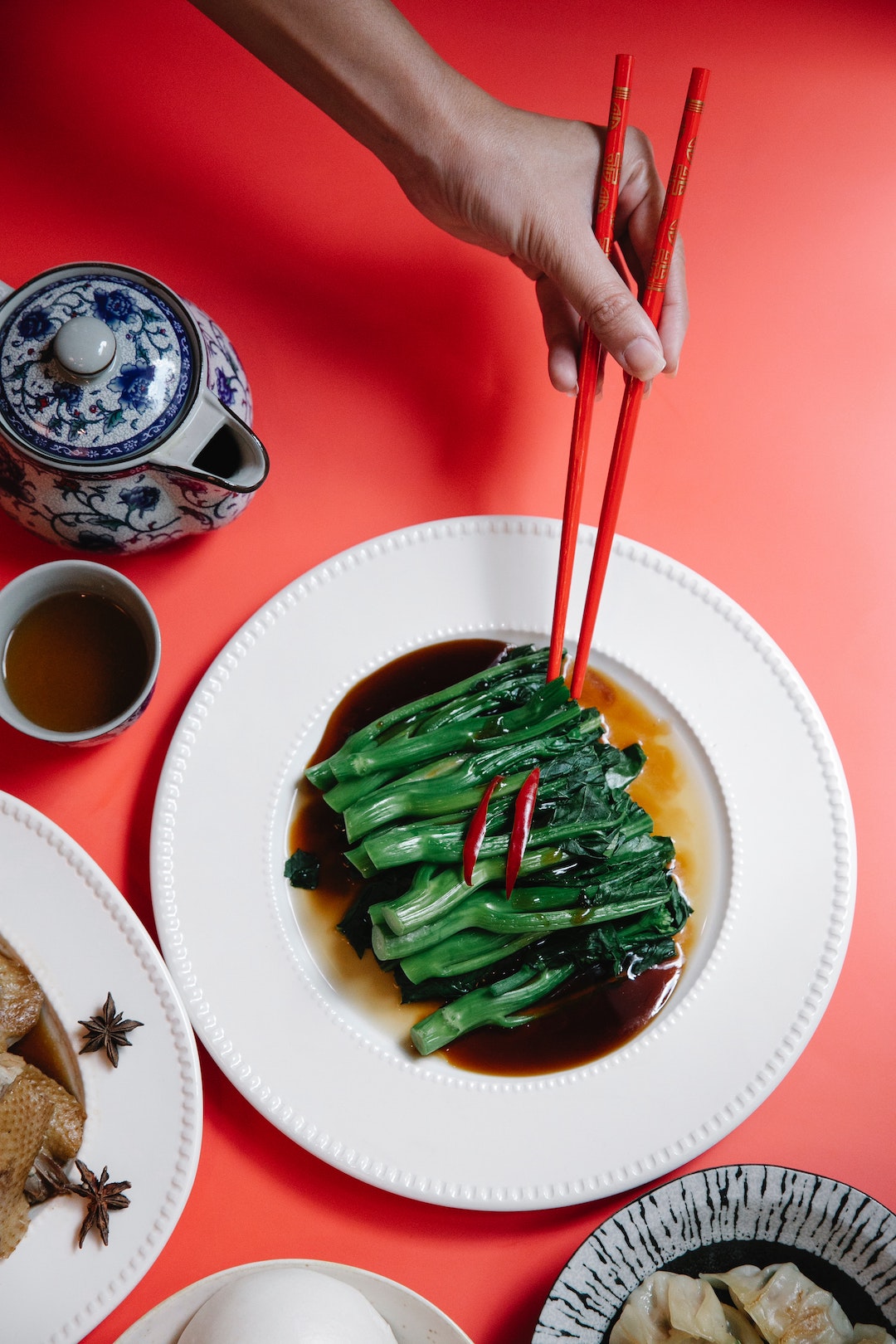
Chinese Five-Spice, the Five Elements of Balance
The famous Chinese five-spice blend has a multi-faceted meaning. It is traditionally made up of five spices, which were chosen to represent the balance of five flavors (sweet, sour, bitter, pungent, and salty). It also holds further philosophical significance to Chinese culture, as it represents the five elements (wood, fire, earth, metal, water) and the five directions (north, south, east, west, center). Furthermore, according to traditional Chinese medicine, this combination of spices can also bring balance to our mind and body.
Star anise, cloves, Chinese cassia cinnamon, Sichuan peppercorns, and fennel seeds are the most common ingredients in this intensely aromatic blend.
Used across China, especially in the south, it also became a staple in Vietnamese and Taiwanese kitchens. Then, spurred by the California Gold Rush of the 1850s, over 300,000 Chinese immigrants arrived on the shores of America's West Coast. They brought their spice mastery, including diverse versions of the five-spice blend.
Today, Chinese food, heavily influenced by the five-spice powder, is available in most major cities across the planet.
Garam Masala, A Storied Past
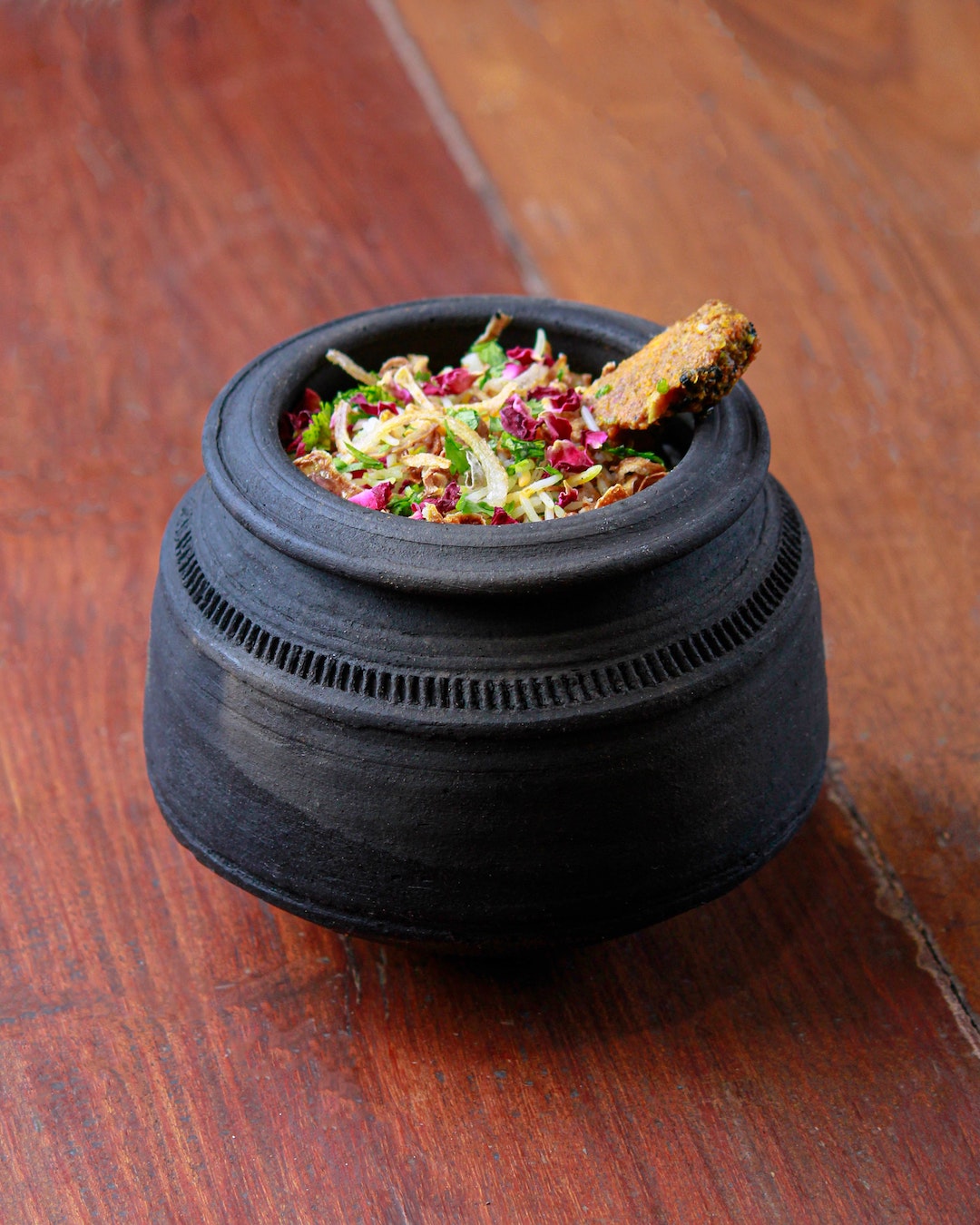
Garam masala is not one spice, but many. While there are regional variations, it is typically composed of black and white pepper, cloves, cinnamon, mace, cardamom, bay leaves, and cumin. It's not uncommon to see coriander seeds and red chili powder added to the mix.
Meaning 'hot spice,' garam masala is more prevalent in Northern India, but it has spread throughout South Asia to Pakistan, Nepal, and Bangladesh.
The word "curry" likely comes from the Tamil kari, a spiced sauce, which Portuguese and then British traders adopted as a way to broadly categorize a wide array of diverse Indian dishes, often characterized by rich, flavorful sauces and spice blends like garam masala.
In 1747, Hannah Glasse's The Art of Cookery included a recipe for "currey the India way," one of the first curry recipes in an English cookbook. British rule in India helped carry garam masala and other Indian spices across the British Empire, from Britain to Canada and Australia.
After WWII, immigrants from South Asia arrived in these countries, adding strength and technique to the use of spice there. Garam masala is now cherished by foodies worldwide.
Italian Seasoning, Flavoring the World
Italian cuisine is arguably the most popular in the world. There really aren't too many places where you can't find pasta and pizza. Part of its popularity is thanks to a few critical ingredients: tomatoes, olive oil, and Italian seasoning.
Oregano, basil, thyme, and rosemary come together for a flavor and aroma profile that's uniquely Italian. Still, the famous seasoning blend was not created in Italy, but in America.
Over four million Italian immigrants arrived on the eastern shores of the United States between 1880 and 1924. In the old country, they flavored their hearty food with fresh herbs, often grown in their own gardens. That wasn't possible in America, so they dried them, combined them, and gave life to what we now call Italian seasoning.
Some of the most popular Italian American dishes rely on Italian seasoning, like pizza, spaghetti, meatballs, and lasagna. It was from the United States that the herb blend found its way to all corners of the earth.
A Multicultural Endeavor
All major cuisines have their favorite herbs and spices that have traveled far and wide, changing the way we experience food. If you look at your spice rack, chances are you have spices grown across five continents, making your own cooking a multicultural endeavor that wouldn't be possible without the spice trade of old.