Ceylon Cinnamon
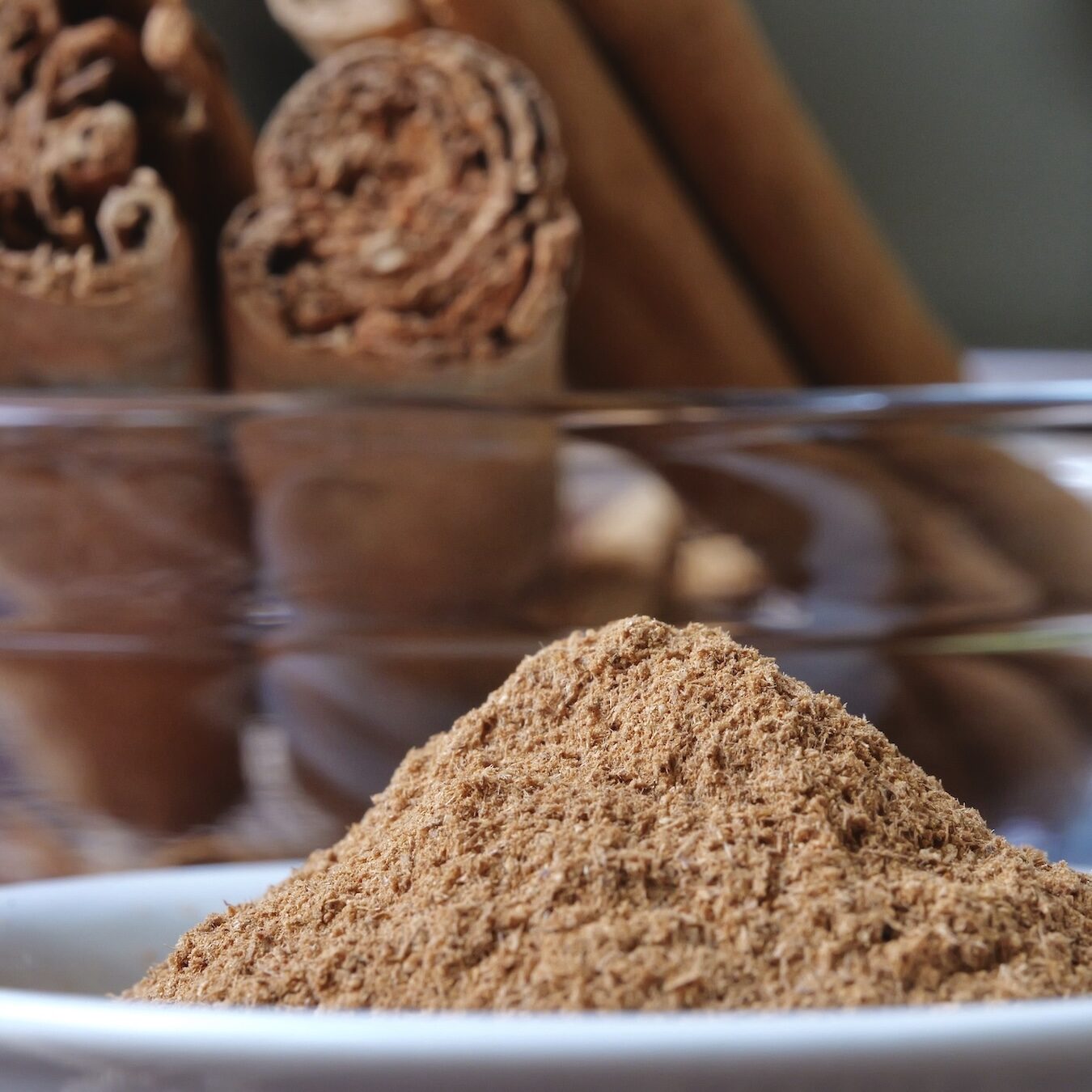
Ceylon cinnamon, or true cinnamon, is the spice produced from the inner bark of Cinnamomum verum, a tropical evergreen tree in the laurel family.
REGION OF ORIGIN
True cinnamon comes from tropical Sri Lanka, off India's southern tip. Known as "Ceylon" through the colonial era, the island was famous for being the only source of true cinnamon for centuries, and to this day still grows the vast majority of it (roughly 80-90%).
PART & COLOR
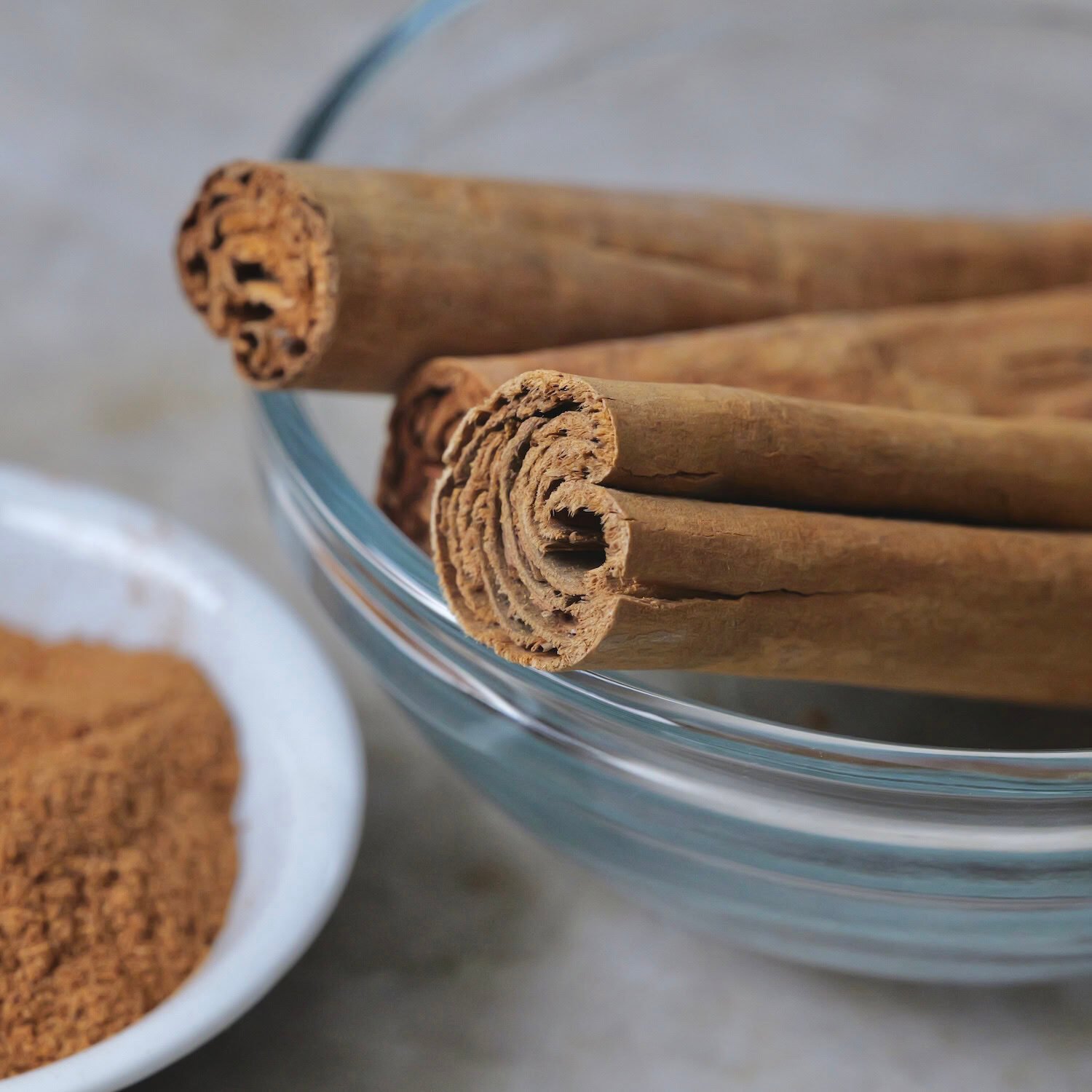
When dried, the inner bark curls into warm, golden brown "quills." Unlike cassia cinnamon sticks, which are thick, hard, and entirely hollow, true cinnamon quills are thin, brittle, and filled with layers of aromatic bark. Ceylon cinnamon leaves can also be used in teas or in slow-cooked dishes similar to bay leaves.
PRODUCTION
The Ceylon cinnamon tree starts producing suitable bark after 2-3 years and can continue for 3-4 decades if managed well. While it can be harvested year-round, it is easiest during the wet/monsoon seasons since the bark is easier to peel. Harvest involves cutting young shoots and carefully stripping the inner bark, which is then rolled into quills and dried on strings, racks, or nets for 4-7 days.
FLAVOR & AROMA
It is called true cinnamon for good reason. More delicate, complex, and sweeter than its harsher and more pungent cassia cousins, cinnamon from Ceylon offers a uniquely refined experience of the Cinnamomum spice. Its aroma is nuanced and comforting, carrying notes of vanilla, citrus, and brown sugar alongside a subtle spiciness. On the palate, Ceylon cinnamon delivers a gentle warmth that slowly unfolds into a smooth, honey-like sweetness with woody undertones. Its depth and sophistication make a dish feel more elegant and memorable.
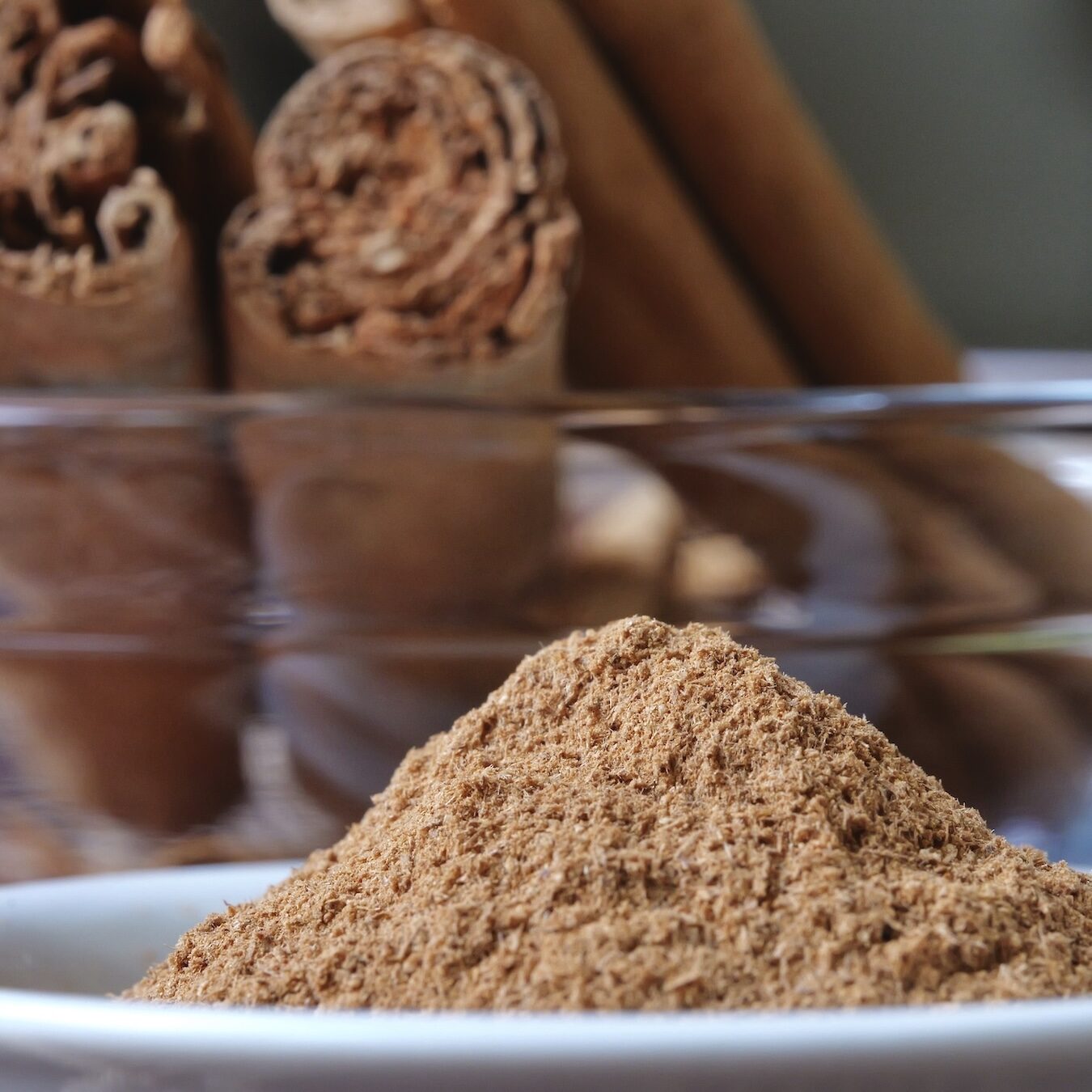
To experience the full potential of true cinnamon, buy quality whole quills, break them into smaller pieces, and freshly grind them in a mortar and pestle or spice grinder. The result is a full flavor and aroma profile that is so worth the extra effort.
CULINARY USES
Ceylon cinnamon is a perfect match for baked goods like pies, cakes, cookies, and breads, as well as creamy desserts like custards and puddings. It also pairs beautifully with apples, pears, and other fruits, enhancing their natural sweetness. But it works just as well with savory ingredients, particularly in Middle Eastern and Indian cooking, where it seasons meats like lamb and chicken. A simple sprinkle on top of sautéed green beans or baked sweet potatoes shows how naturally it can enhance vegetables as well.
In Mexico, Ceylon cinnamon (known as "canela") appears in mole sauces, chocolate, rice puddings, and horchata. Moroccan tagines enjoy its company as well. However, this special spice is perhaps most appreciated in simple warm drinks like coffee, hot chocolate, and spiced tea.