Oregano
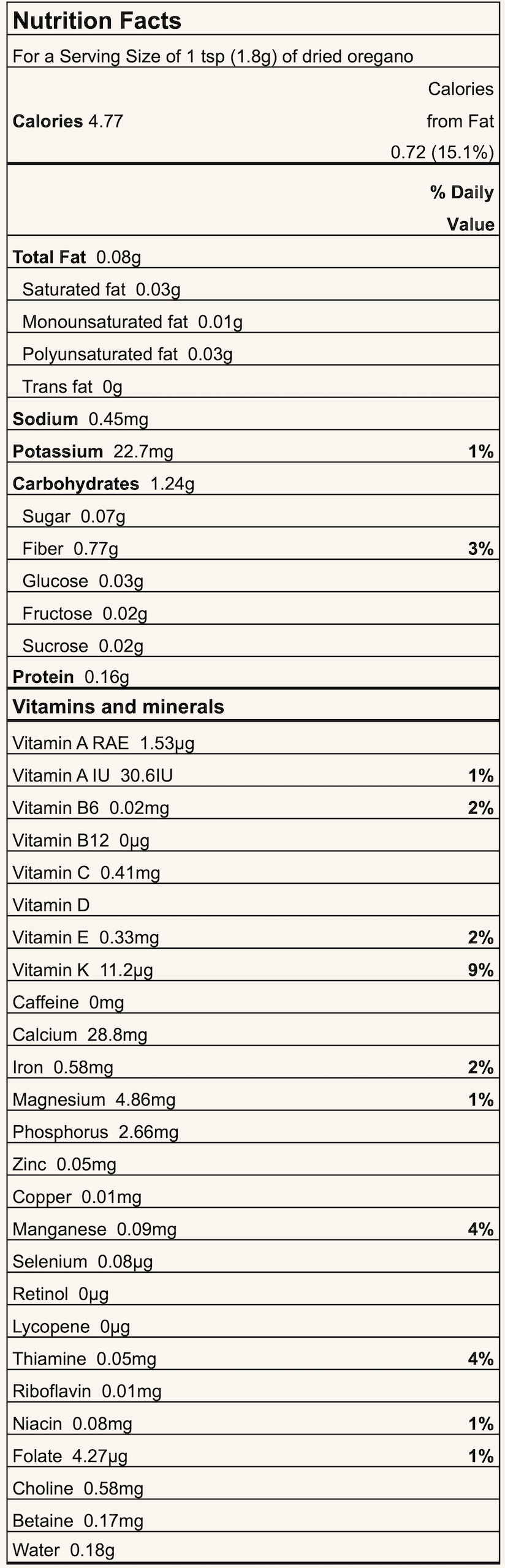
Oregano is the herb derived from the leaves and flowers of various species in the genus Origanum, part of the mint family. Of its 40-plus species, only a handful see much cooking. The most popular is common oregano (Origanum vulgare), with dozens of regional varieties. Others include Italian oregano (Origanum × majoricum), Syrian oregano, or Za'atar (Origanum syriacum), and Turkish oregano (Origanum onites).
REGION OF ORIGIN
Oregano hails from the coastal hillsides of the Mediterranean basin, stretching from Southern Europe to North Africa and the Middle East. The center of the genus is Türkiye, with over half the species occurring there. A warm, dry climate and rocky soils helped oregano develop its beloved aroma.
PART & COLOR
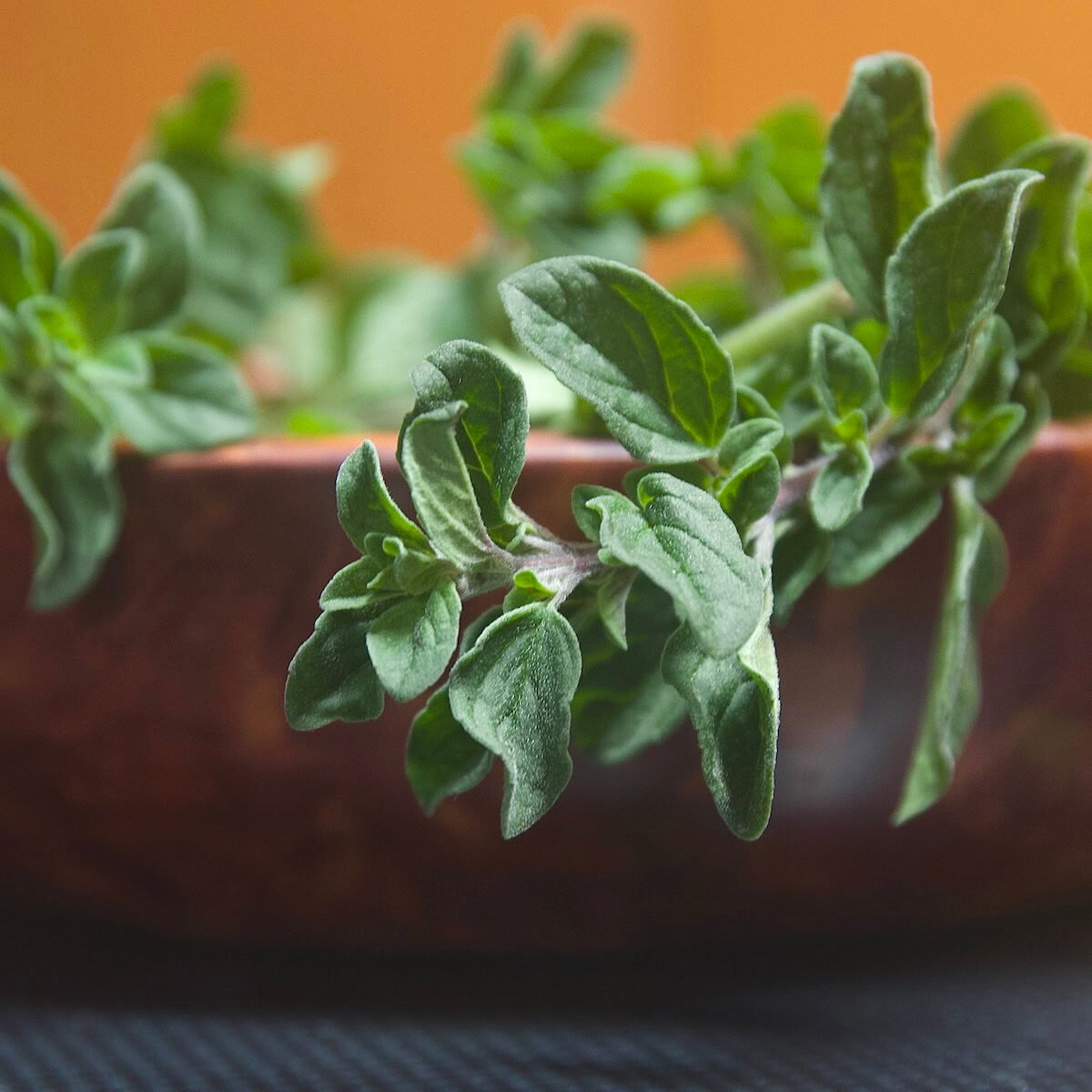
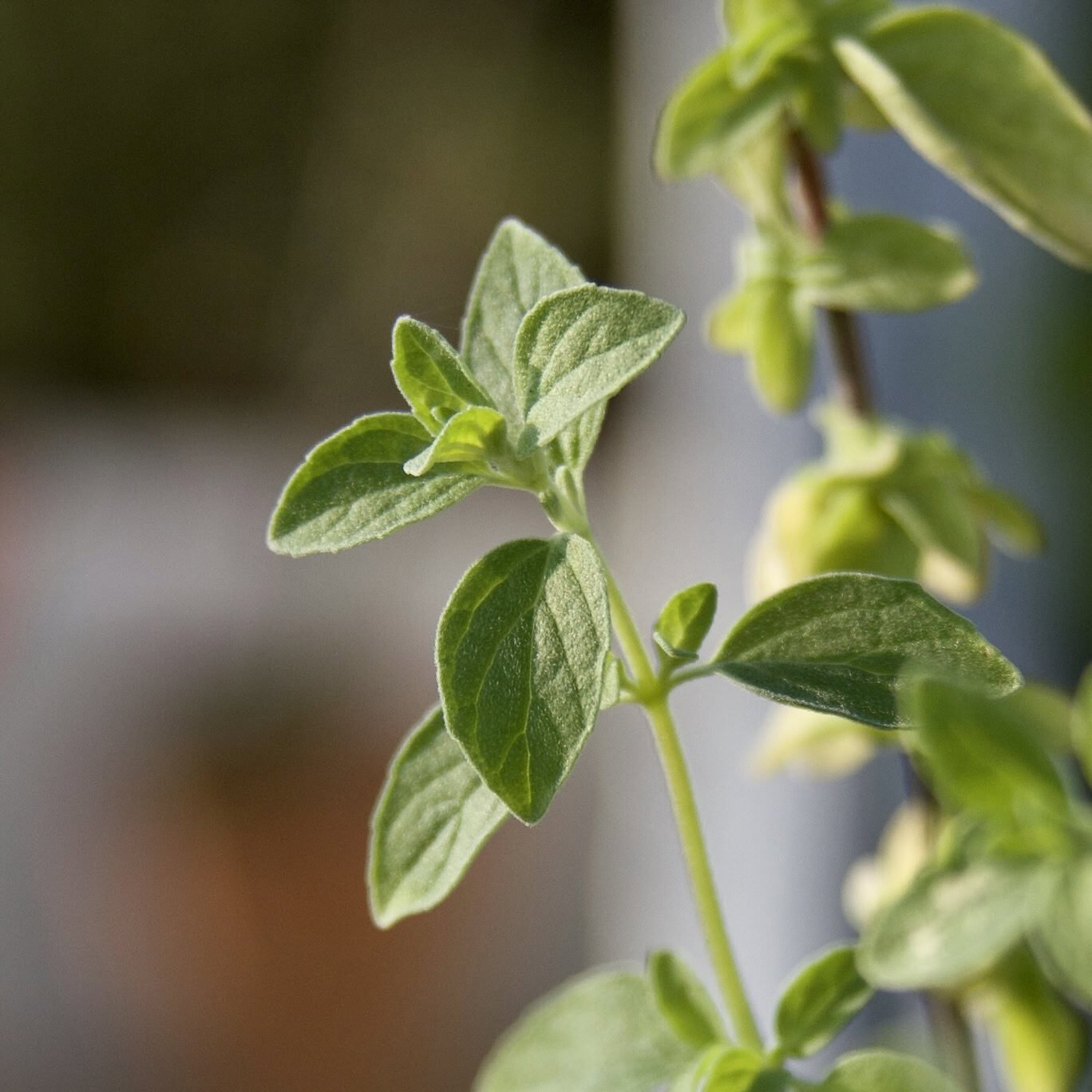
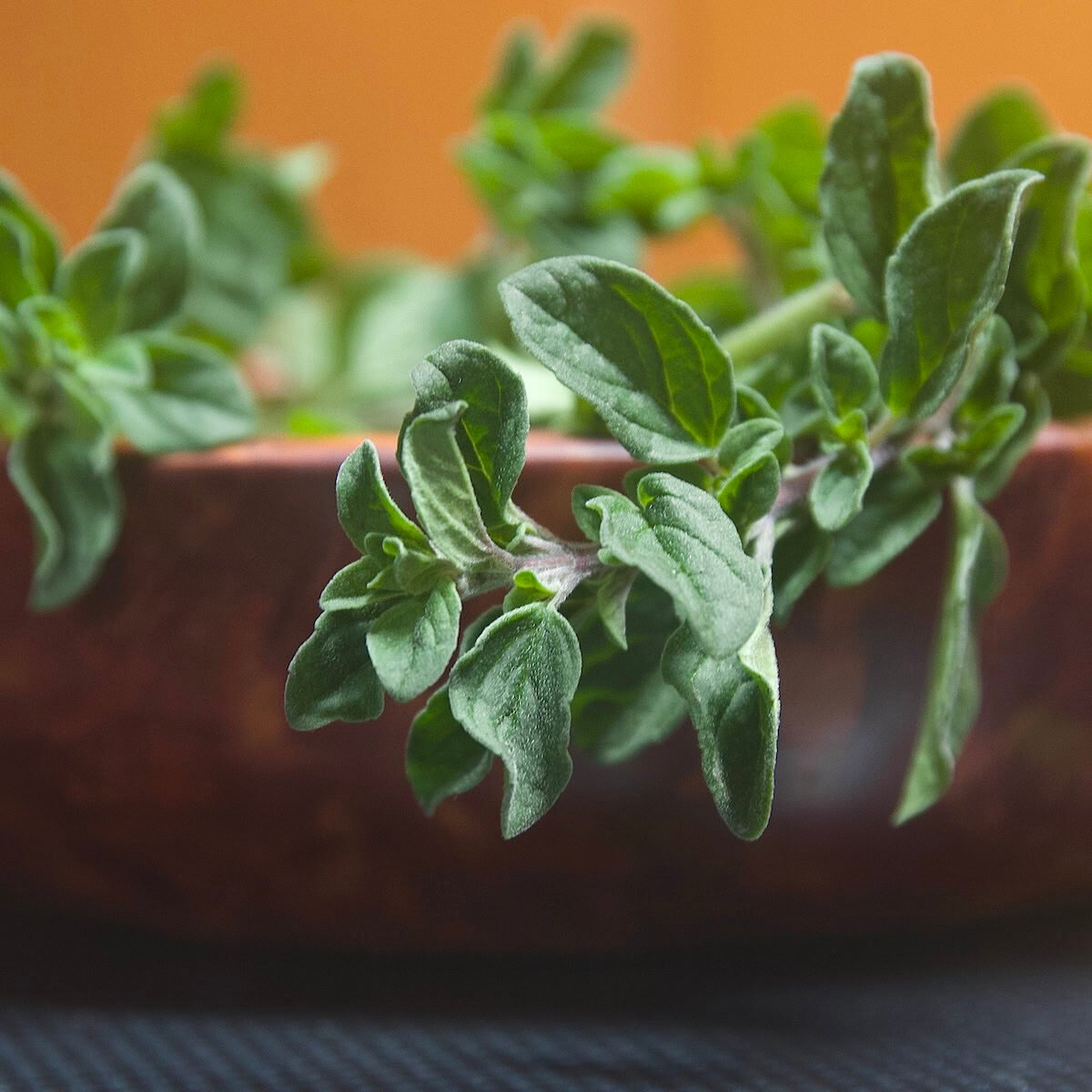
Oregano leaves are small and oval-shaped with a slightly fuzzy texture. From fresh to dried, they change from bright green to a more muted, olive green. Tiny edible flowers occasionally pop up at the tips of the herb's stems, ranging from white or pale pink to mauve or soft purple.
PRODUCTION
Most culinary oreganos are sun-loving perennials. They are planted in the spring, and the leaves are best harvested in mid-summer when the plant is fully established, but before it starts to flower. Leaves can be used fresh or dried. To dry them, cut and bundle the stems, then hang them upside down in an airy, shaded place. Once fully dry, strip the leaves from the stems and store them in an airtight container.
FLAVOR & AROMA
Oregano is a robust herb that exudes the rustic heart of the Mediterranean. Its aroma weaves warm, earthy notes with mint, lemon, and camphor, and its flavor is bold, savory, and subtly bitter with a little kick. It has a light sweetness like thyme that softens it, and it leaves a noticeable warmth on the tongue.
When dried, it becomes more earthy, more pungent, and more bitter. Some of its minty and citrusy top notes are missing, but its more concentrated profile has its utility: you need only about a third as much, it lasts much longer, and it can be added quickly and distributed evenly.
CULINARY USES
Essential to Mediterranean and Middle Eastern cooking, oregano can deepen quick, everyday dishes just as well as it serves traditional recipes. In Spain, it seasons marinades, roasted meats, and rustic stews, often next to paprika, olive oil, and wine. In Italian cuisine, it's a key ingredient in many pizzas, pastas, and herb blends as it stands up well to the strong flavors of garlic, onion, and acidic tomatoes.
Greek cooks lean on it for lamb, salads, soups, and gyros. In Turkey, one of the world's largest producers of oregano, it flavors köfte and the marinades for grilled kebabs, holding its own alongside cumin and Aleppo pepper.