

The Most Popular Spices in the World
LAST UPDATED: June 26, 2026
READ TIME: 11 minutes
Table of Contents
Popularity Contest
What makes a spice truly popular? In the past, they sparked exploration, built empires, and transformed cultures and cuisines. But today, the legends of old have less weight. Is black pepper really the "king of spices"? It may be the most historically significant, but what do the numbers tell us? Current economic data is our best guide: how much the world produces, buys, and eats. So to properly host this popularity contest, we're focusing on two metrics: annual production quantity and market size. In other words, how much is grown and how much money people spend to consume it.
This contest isn't totally fair. Some spices are much harder to grow, so they may have intense demand but not enough supply to hit this list (like these expensive spices, minus cardamom, which makes it onto both lists!). Still, you can't be truly "popular" if you can't meet the demand, so the metrics make sense.
These spices do both. They're produced on a massive scale, and they've broken free of borders, used by cooks the world over. Have you ever wondered which spices top the charts in sheer global demand?
1. Chiles
- Annual Production: ~36 million metric tons
- Global Market Size (Dried Only): ~$9.2 billion
How Popular Are They?
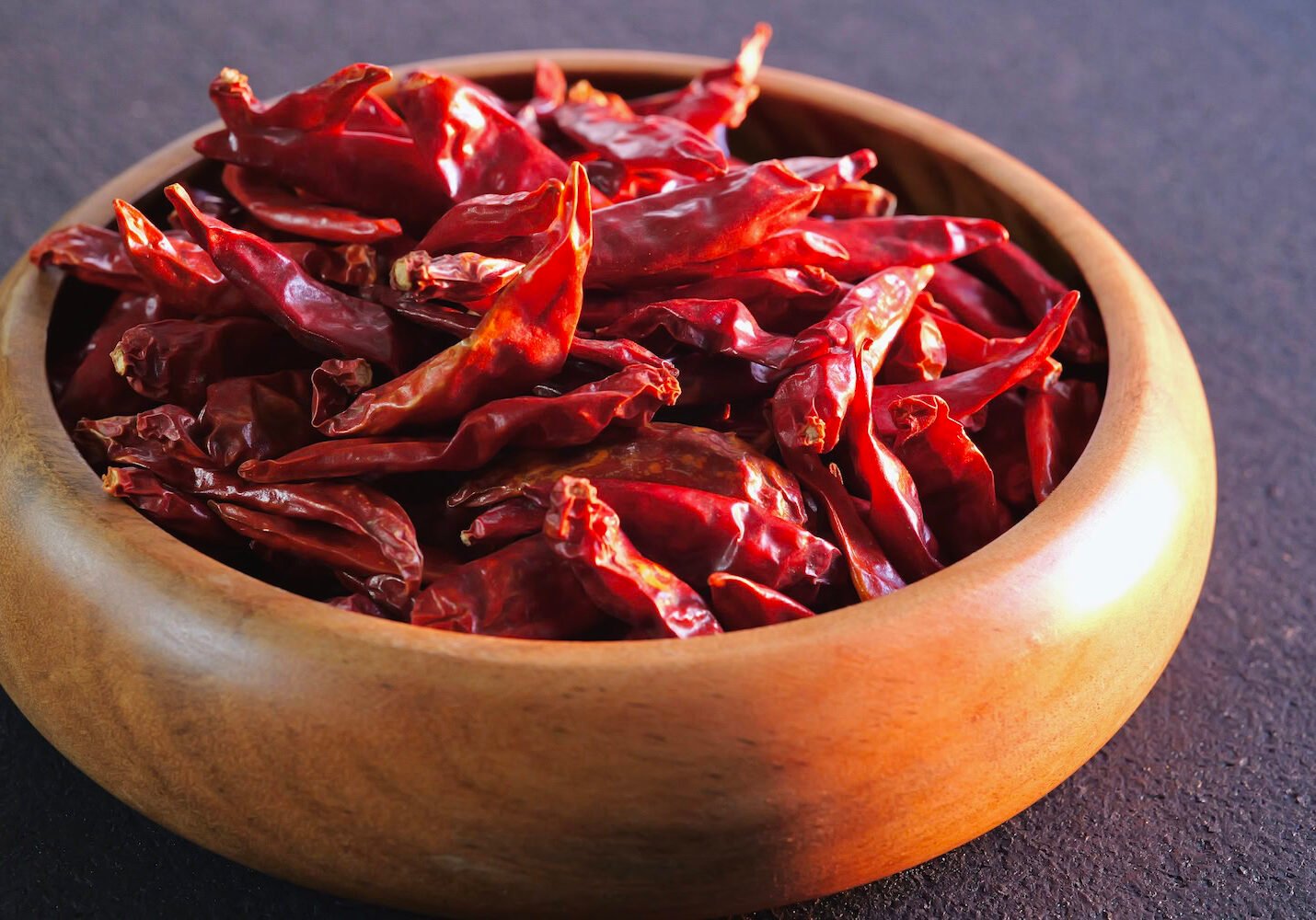
Chile peppers are, without question, the world’s most popular spice by sheer volume. Over 36 million metric tons of chiles are produced annually (fresh + dried). Even if we narrow it down to dried peppers (the internationally traded form), global production is still about 4 million tons a year.
China is the giant, producing ~16 million tons annually, with Mexico, Turkey, and Indonesia trailing far behind. In India, chilis alone represent over $1.5 billion in export value (2023–24), the single largest spice export category. From jalapeño and habanero in the Americas to paprika in Europe to bird’s eye chilis in Asia, these fiery fruits dominate both production and trade, confirming their central place in global food culture.
Why Are They So Popular?
Chiles are loved for their ability to transform food by adding heat, depth, and color. The warmth in curries, the strong kick in countless hot sauces, and the endless range of paprika, from mild and sweet to spicy and smoky. Beyond taste, capsaicin (the compound responsible for heat) also drives demand in health supplements, pain-relief creams, and diet products.
Culturally, chiles are embedded across the world: Mexican salsas, Jamaican jerk seasoning, Spanish chorizo, North African harissa, Indian masalas, Sichuan hotpot, Japanese togarashi, Korean kimchi; the list goes on and on. Nearly every cuisine leverages chile peppers in one way or another, and it's usually as a cornerstone. Their adaptability (mild to fiery, fresh to dried, ground to whole) and universality make them simply essential.
Learn more about chile peppers.
2. Garlic
- Annual Production: ~29 million metric tons
- Global Market Size (Dehydrated Only): ~$6 billion
How Popular Is It?
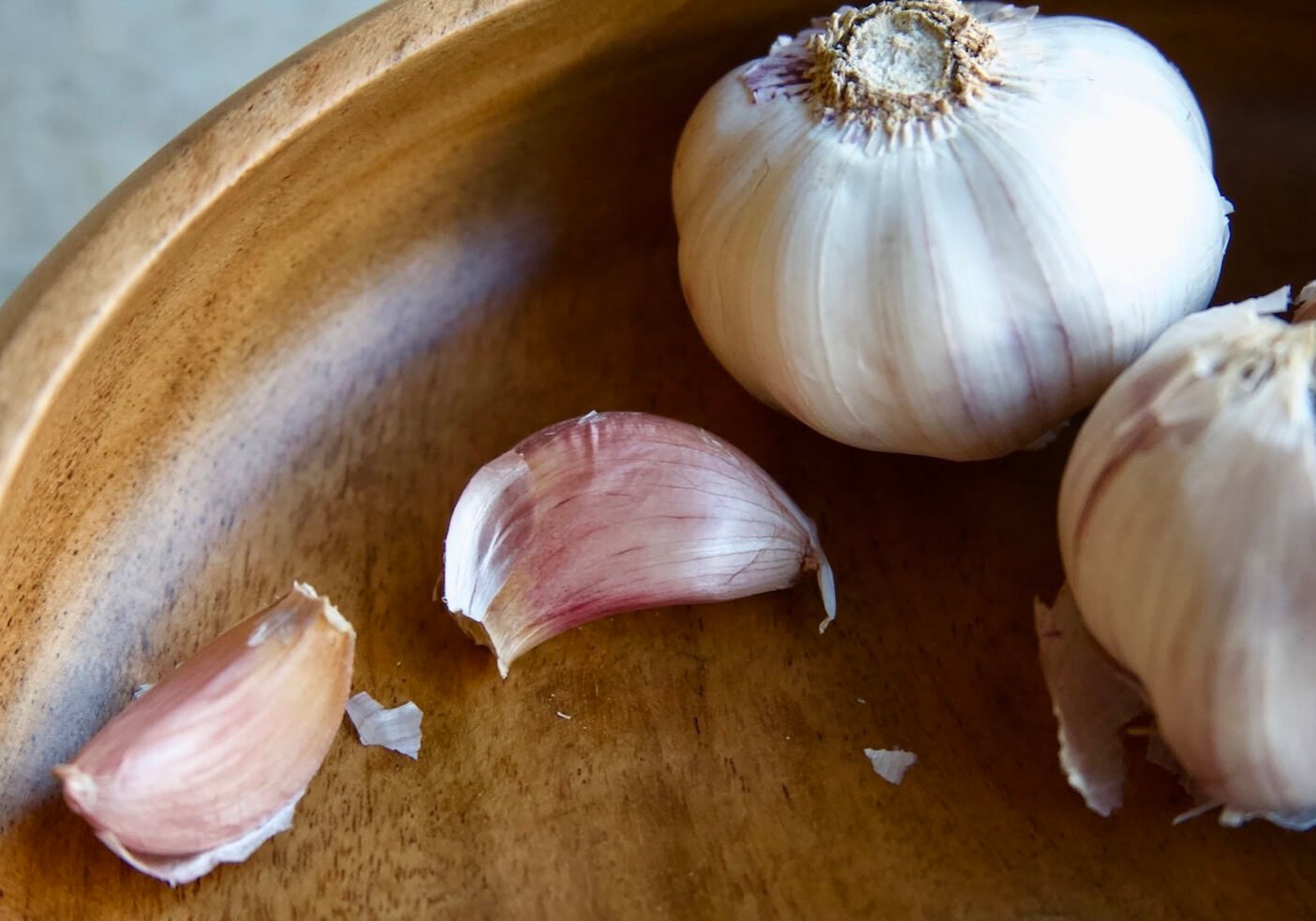
Garlic production is staggering: 29 million tons annually (projected to reach chile peppers' current volume of 36 million in 2026). China again dominates with ~23 million tons (80% of global supply). While most is consumed domestically, China still exports about 1.7 million tons annually, which is over half of all garlic traded internationally. Clearly, garlic is absurdly popular in China (the country consumes ~15kg (33 pounds) per person annually!), but the rest of the world loves it too. Garlic powder, garlic flakes, and granulated garlic are all staples for the global food industry, making it the second most produced and consumed spice.
Why Is It So Popular?
Garlic’s pungent, savory bite is unmatched. It deepens flavors in virtually every cuisine. Latin American sofritos, Italian pasta sauces, Middle Eastern dips, Indian dals, Chinese stir-fries. It can be roasted sweet, sautéed sharp, or dehydrated into flakes, granules, and fine powders. Beyond cooking, garlic’s reputation as a health booster sustains its popularity (antibacterial, heart health, immunity, and so on). Few ingredients travel so seamlessly between home kitchens, gourmet restaurants, and supplement shops worldwide.
Learn more about garlic.
3. Ginger
- Annual Production: ~4.9 million metric tons
- Global Market Size: ~$5.2 billion
How Popular Is It?
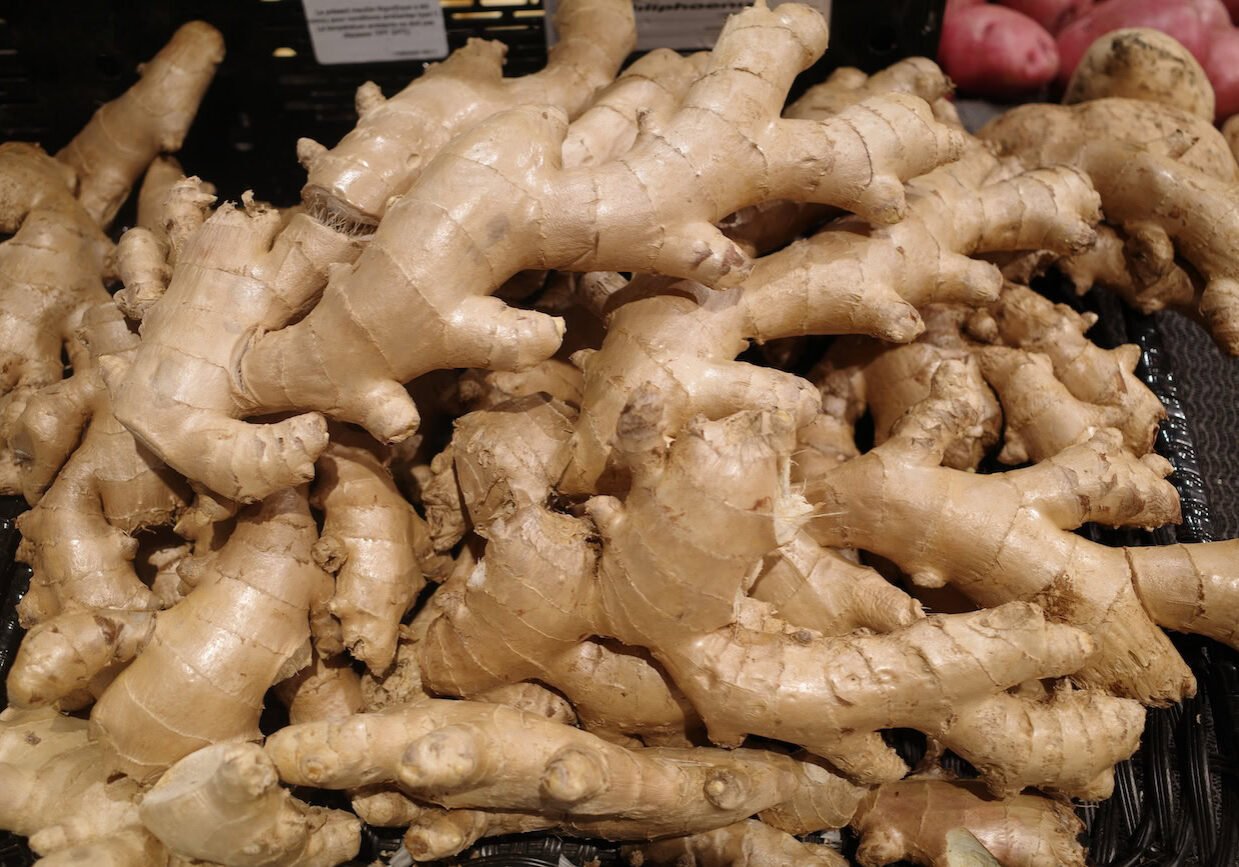
Global ginger production reached 4.9 million tons in 2023, with India and China driving the majority. It is both a local staple and a global export, with China, India, and Thailand supplying markets in the US, EU, and beyond. Unlike chiles and garlic, ginger is widely traded fresh because the hardy rhizomes store and ship well. Dried ginger only plays a secondary role. Its trade is steady and growing, driven by demand for both culinary and medicinal uses.
Why Is It So Popular?
Ginger is beloved for its warm, peppery spice with a citrusy brightness. In Asia, it’s foundational: stir-fries, soups, curries, and sauces. In the West, it sweetens gingerbread, cakes, and cookies. Its dual identity (food and medicine) amplifies demand. Ginger tea, ginger shots, and ginger supplements are prized for the spice's anti-nausea and anti-inflammatory benefits. It's truly a lifestyle ingredient for all.
Learn more about ginger.
4. Turmeric
- Annual Production: ~1.4 million metric tons
- Global Market Size: ~$4.4 billion
How Popular Is It?
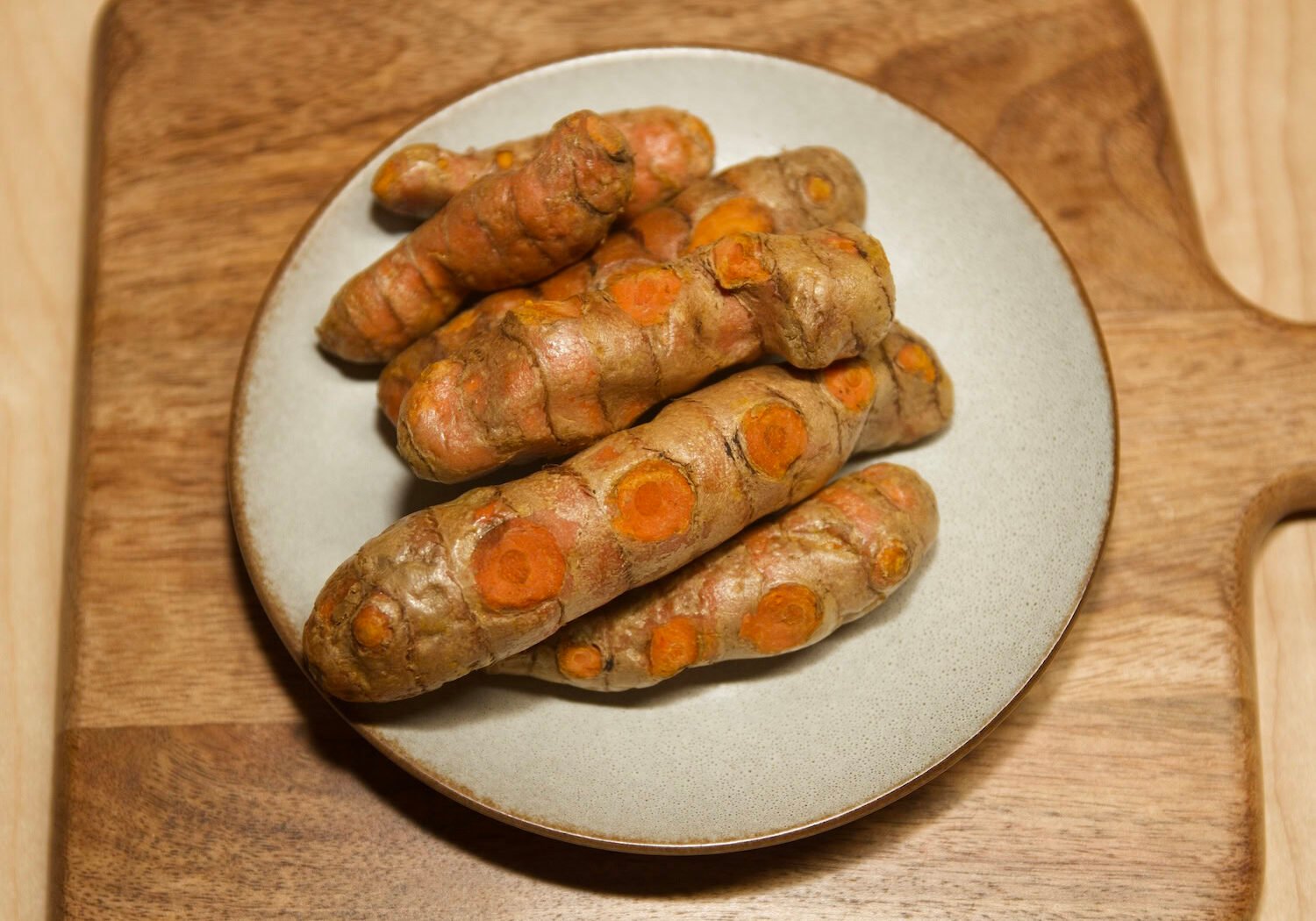
Global turmeric production hovers around 1.4 million metric tons annually, with India contributing about 80% of the supply. Other producers (China, Myanmar, Nigeria, Bangladesh) make up the rest, but no one comes close to India. The global market (~$4.4B as of 2023) is experiencing steady growth driven by international demand. However, most turmeric is consumed within producing countries, so the international trade pool is relatively small. The U.S. imports just 10,000 tons (in 2019), but it is still the world's largest buyer on the international market. Beyond volume, turmeric is among the fastest-growing spices in trade because, like the spices above, it's gaining popularity in both culinary and health industries.
Why Is It So Popular?
Turmeric is cherished for its warm, earthy flavor and vibrant golden color, but its reputation as a superfood is perhaps even greater. The active compound curcumin is prized for its anti-inflammatory and antioxidant properties, fueling booming demand in supplements, teas, and wellness products (“golden milk,” turmeric shots and capsules). In cooking, turmeric is foundational in South Asian curries, but it’s also used globally in spice blends, mustards, and baked goods.
Learn more about turmeric.
5. Black Pepper
- Annual Production: ~855,000 metric tons
- Global Market Size: ~$4.7 billion
How Popular Is It?
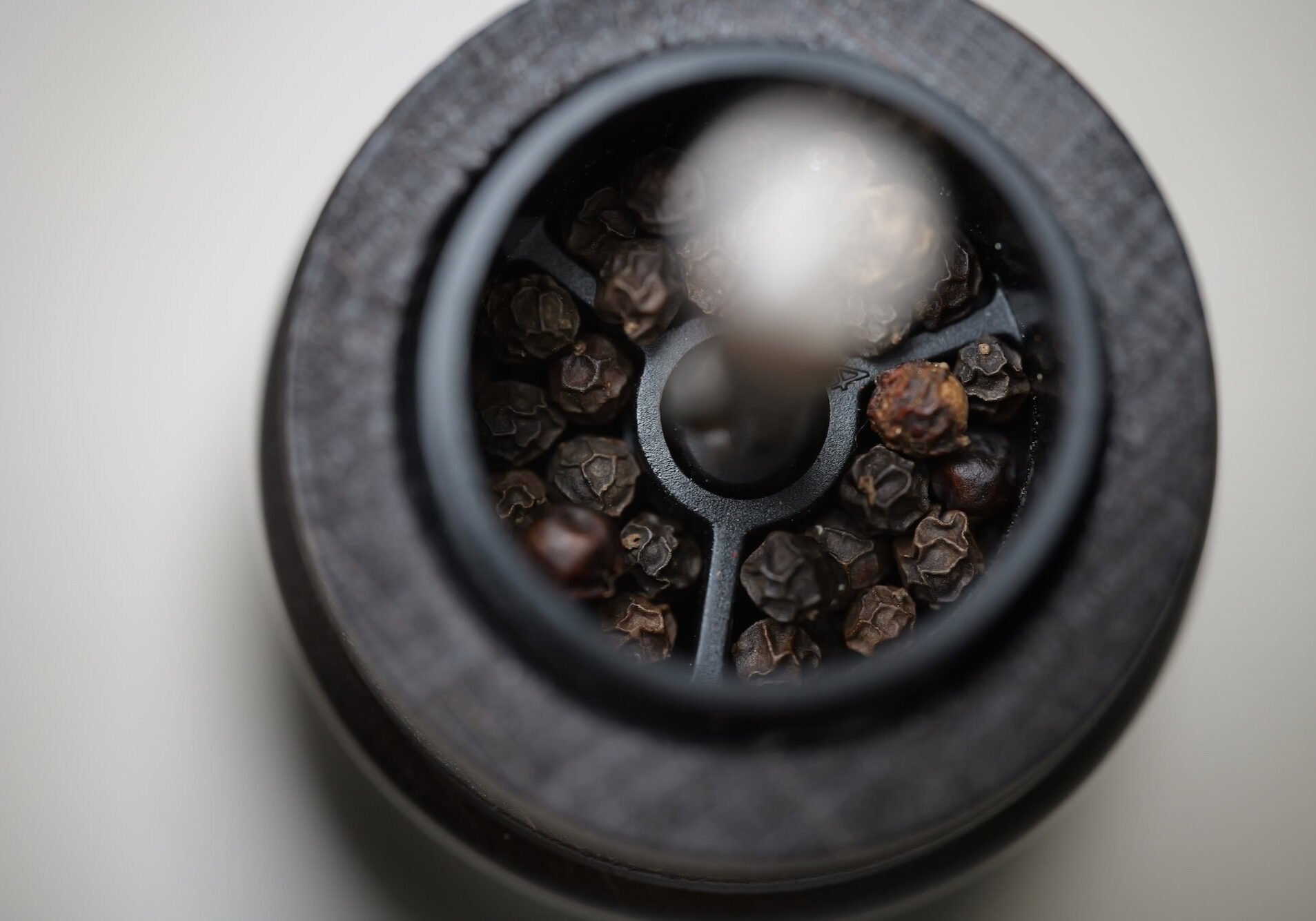
Black pepper, often considered the undisputed "king of spices," appears to have been dethroned by the modern scale and economic weight of chiles, garlic, ginger, and turmeric. Still, its global presence is formidable. About 855,000 metric tons of peppercorns are produced annually, with Vietnam commanding ~40% of supply. Nearly every single cuisine cooks with pepper, making it one of the most used seasonings after salt. From households to restaurants, black pepper is indispensable and continues to drive enormous international trade value. The pepper market exceeds $4.7 billion, taking a decent chunk of the entire global spice market.
Why Is It So Popular?
Pepper’s power lies in its versatility and universality. Unlike chilis, which polarize with heat, pepper offers a gentle bite that enhances almost any savory dish. It bridges cultures: French sauces, Indian curries, American steaks, Chinese stir-fries, and Middle Eastern spice blends all rely on it. Few dining tables can be found without a pepper mill or shaker.
Learn more about black pepper.
6. Coriander
- Annual Production: ~1.4 million metric tons
- Global Market Size: ~$1.1 billion
How Popular Is It?
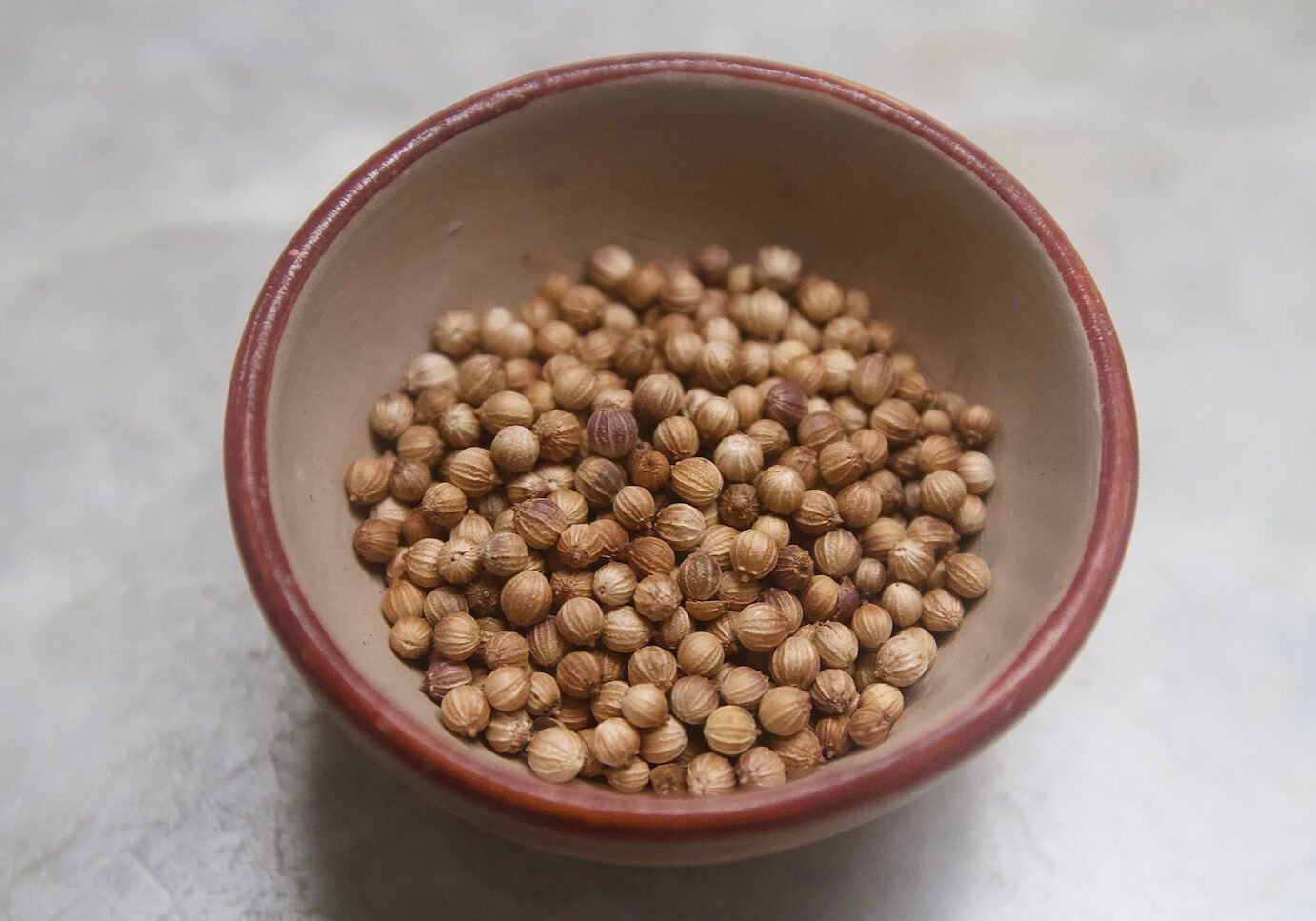
Coriander seed production reaches about 1.4 million tons globally each year, with India again as the largest producer. India alone is projected to produce nearly 882,000 tons in 2025–26, a sign of the spice's surging demand. Other big contributors include Mexico, Morocco, Russia, Canada, and Ukraine. In trade, India exports over 45,000 tons annually, largely to Asia and the Middle East. While coriander is less pricey than luxury spices, its bulk volume makes it an economic powerhouse, valued at $1.1 billion.
Why Is It So Popular?
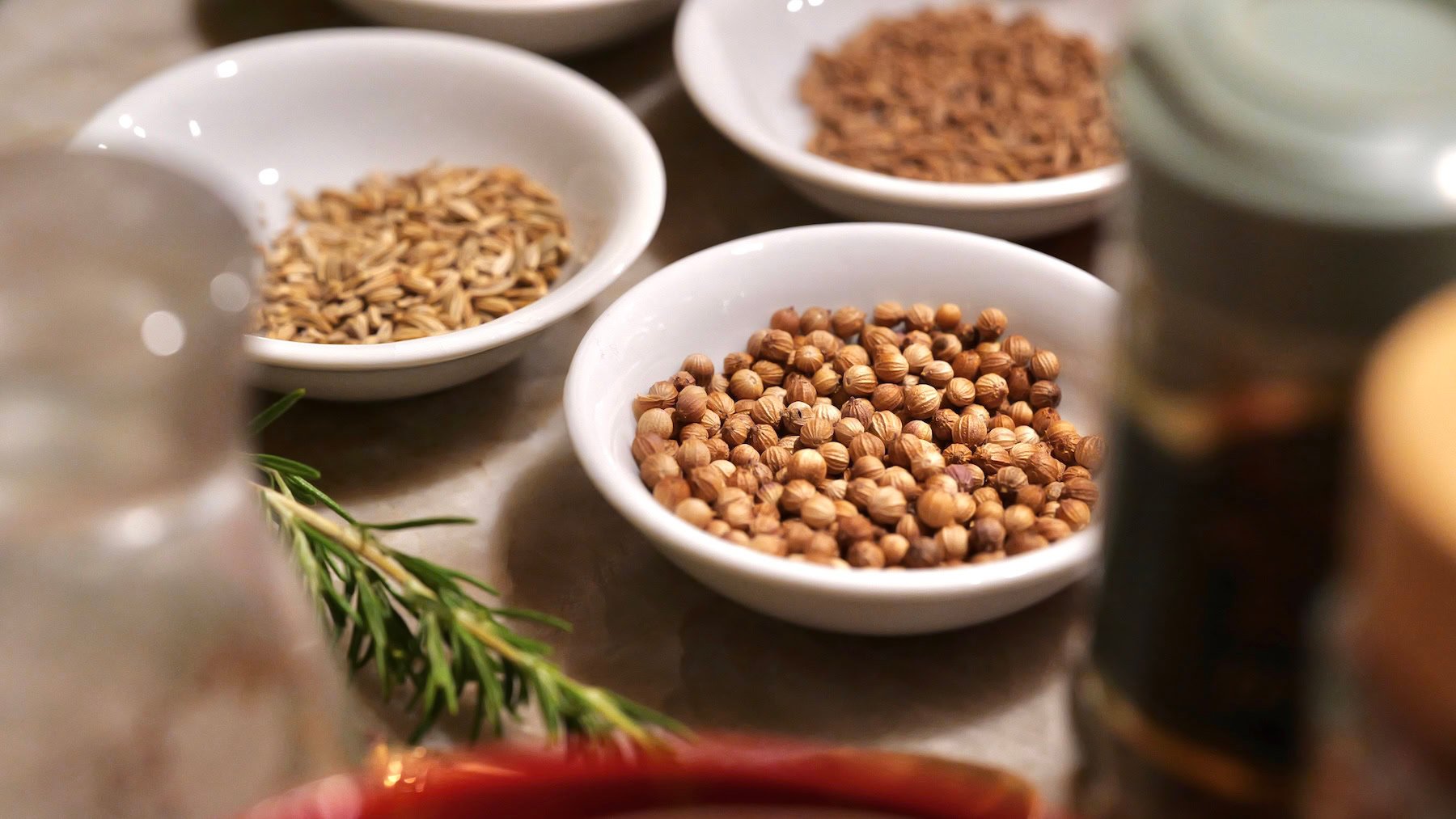
Coriander brings a bright, lightly sweet citrusy flavor that makes it indispensable in spice blends like garam masala, curry powders, and pickling spices. It's also crucial in European sausages, Middle Eastern stews, Mexican salsas, and even brewing (Belgian witbier, anyone?). Unlike more niche spices, coriander works both in savory and sweet profiles, which makes it universally adaptable. This versatility, combined with its huge agricultural output, cements coriander’s global popularity.
Learn more about coriander.
7. Cumin
- Annual Production: ~475,000 metric tons/year
- Global Market Size: ~$700 million
How Popular Is It?
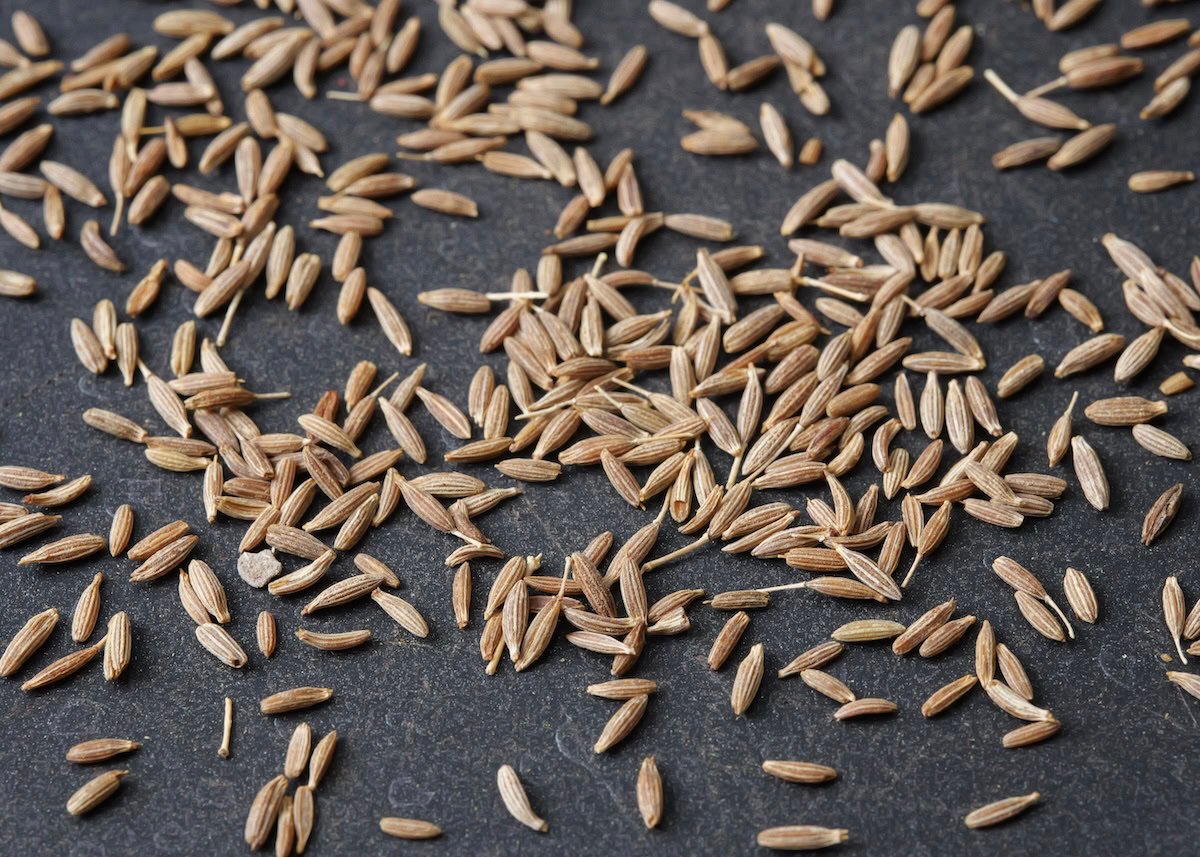
Global cumin production is estimated at about 475,000 tons annually, with India producing the lion’s share (over 400,000 tons). Other producers, like Syria, Turkey, Iran, and China, contribute far smaller amounts. In terms of export, cumin ranks as India’s second-highest spice export earner behind dried chilis, generating about $700M in 2023–24. Major importers include Bangladesh, the U.S., UK, and UAE, ensuring cumin circulates widely through global food supply chains.
Why Is It So Popular?
Cumin’s warm, nutty, slightly smoky flavor makes it a foundational spice in countless cuisines. Because it is one of the core “base spices” in seasoning mixes worldwide (chili powders, curry powders, garam masala, ras el hanout, taco seasoning), demand is extremely high. Its versatility across meat, vegetables, stews, breads, and even drinks (like jeera water in India) ensures cumin’s enduring love.
Learn more about cumin.
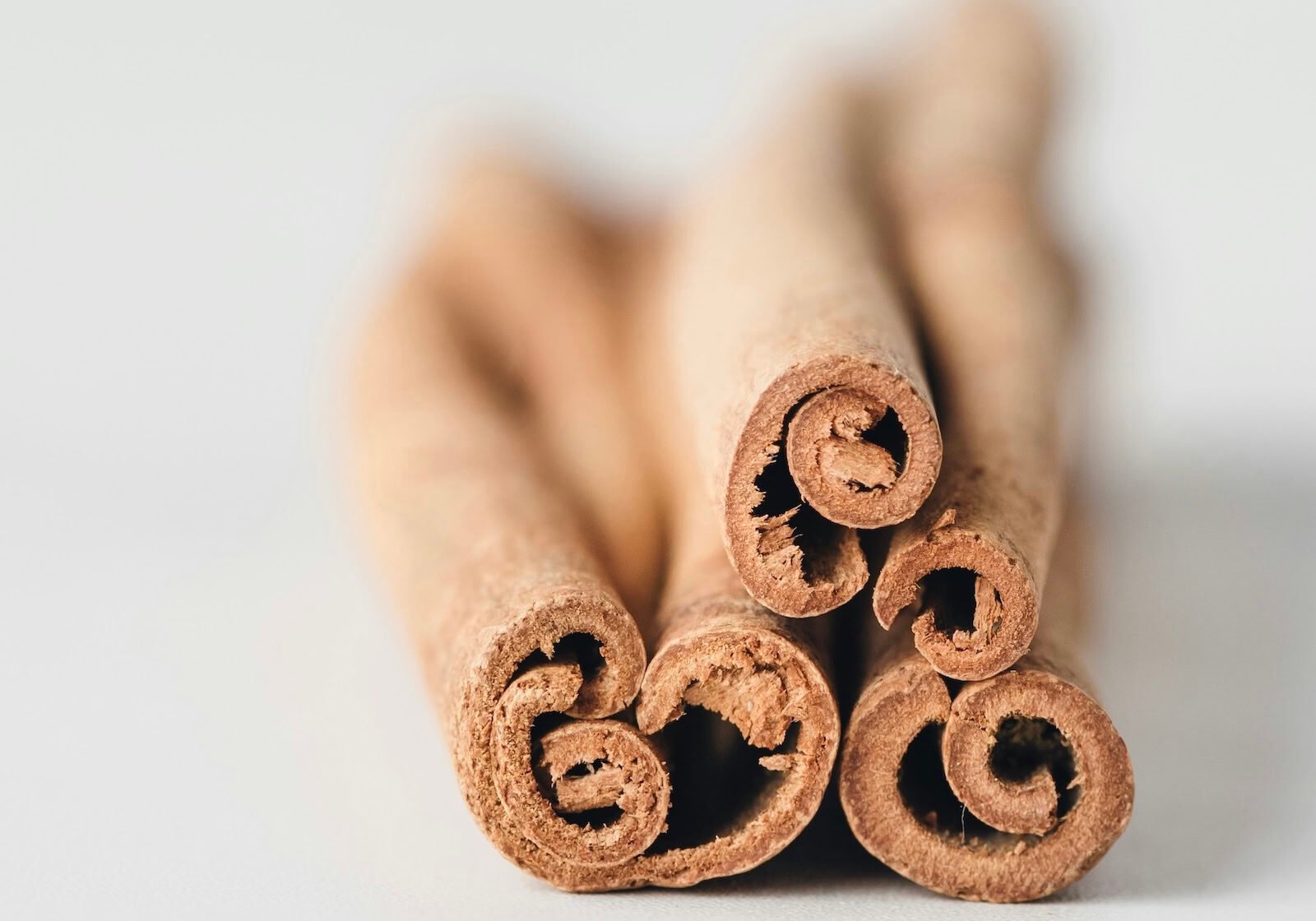
8. Cassia Cinnamon
- Annual Production: ~222,000 metric tons
- Global Market Size: ~$1.25 billion
How Popular Is It?
Global cinnamon production is around 222,000 tons annually, dominated by Indonesia, China, Vietnam, and Sri Lanka (98% of supply altogether). Indonesia leads with about 90,000 tons per year, mostly cassia cinnamon, while Sri Lanka produces smaller amounts of the high-value Ceylon species (~16–21k tons). Cinnamon is highly trade-focused: nearly 198,000 tons entered global commerce in 2020, worth over $1–1.5 billion annually. The U.S. and India are the top importers.
Why Is It So Popular?
Cinnamon is cherished for its sweet, warm aroma that works equally well in savory dishes and sweet desserts. In the West, it flavors baked goods, coffees, and festive dishes; in Asia and the Middle East, it’s found in curries, biryanis, and spice blends. Its appeal extends beyond food as well. It’s used in teas, perfumes, and traditional medicines.
Learn more about cassia.
9. Cloves
- Annual Production: ~190,000 metric tons/year
- Global Market Size: ~$500 million
How Popular Are They?
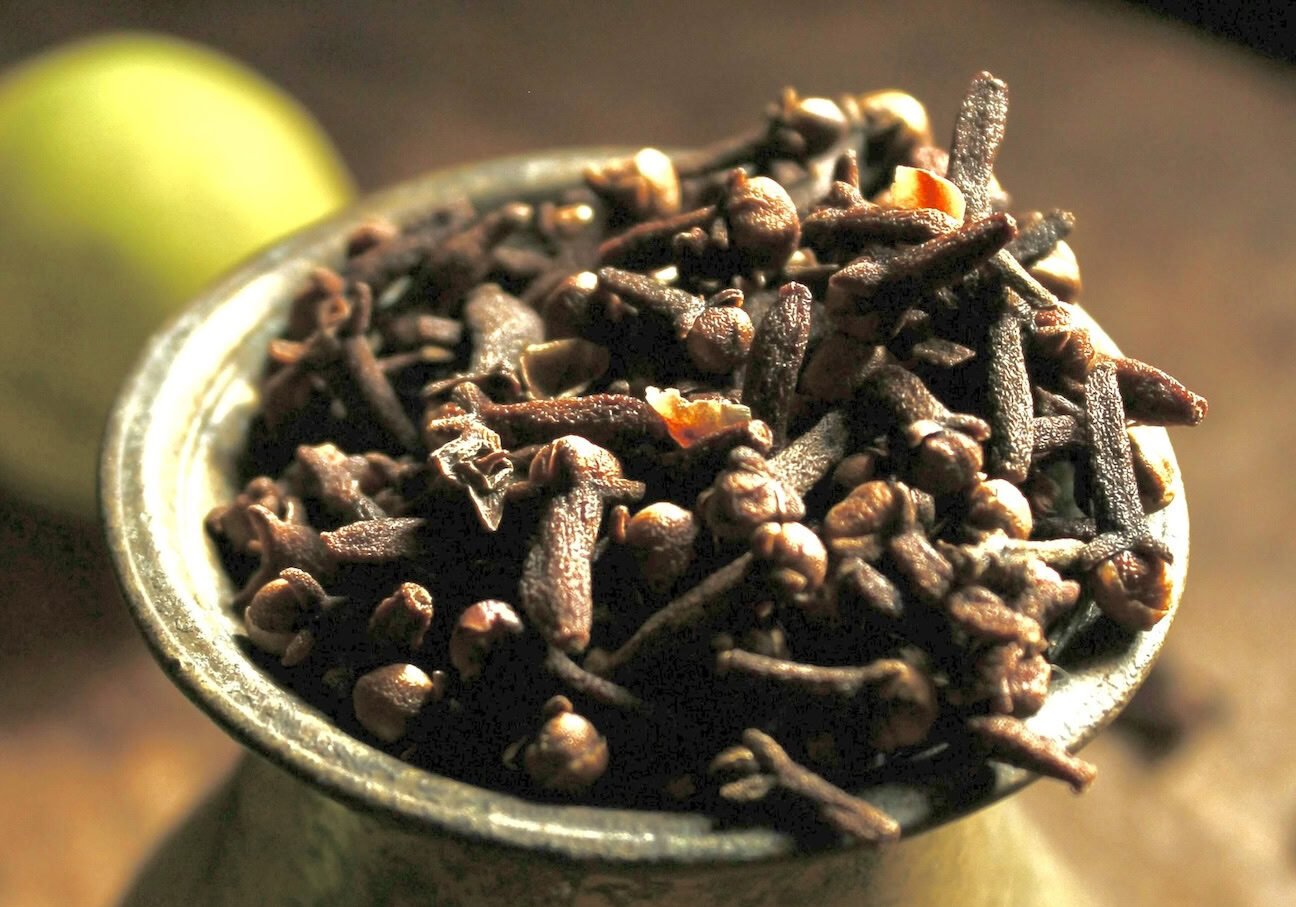
Global clove production is around 180,000–200,000 tons per year, with Indonesia producing about 70–75% of the supply. Madagascar, Tanzania, Comoros, Sri Lanka, and Kenya are also important players. Much of Indonesia’s crop is used domestically (notably in kretek clove cigarettes), but cloves are widely traded to South Asia, the Middle East, Europe, and North America. The global clove market is valued at around $500 million, though some estimates rise into the billions when accounting for its role in expensive pharmaceutical and perfumery products.
Why Are They So Popular?
Cloves pack an intense, warming, and almost medicinal flavor that makes them indispensable in holiday baking, mulled wine, pickling, pilafs, and spice blends. From studding hams in the West to spicing chai in India, cloves have a celebratory reputation that keeps them in high demand. Their strong aroma means a little goes a long way in cooking, but it's also why cloves are so deeply tied to cultural and spiritual rituals across continents.
Learn more about cloves.
10. Cardamom
- Annual Production: ~139,000 metric tons/year
- Global Market Size: ~$800 million
How Popular Is It?
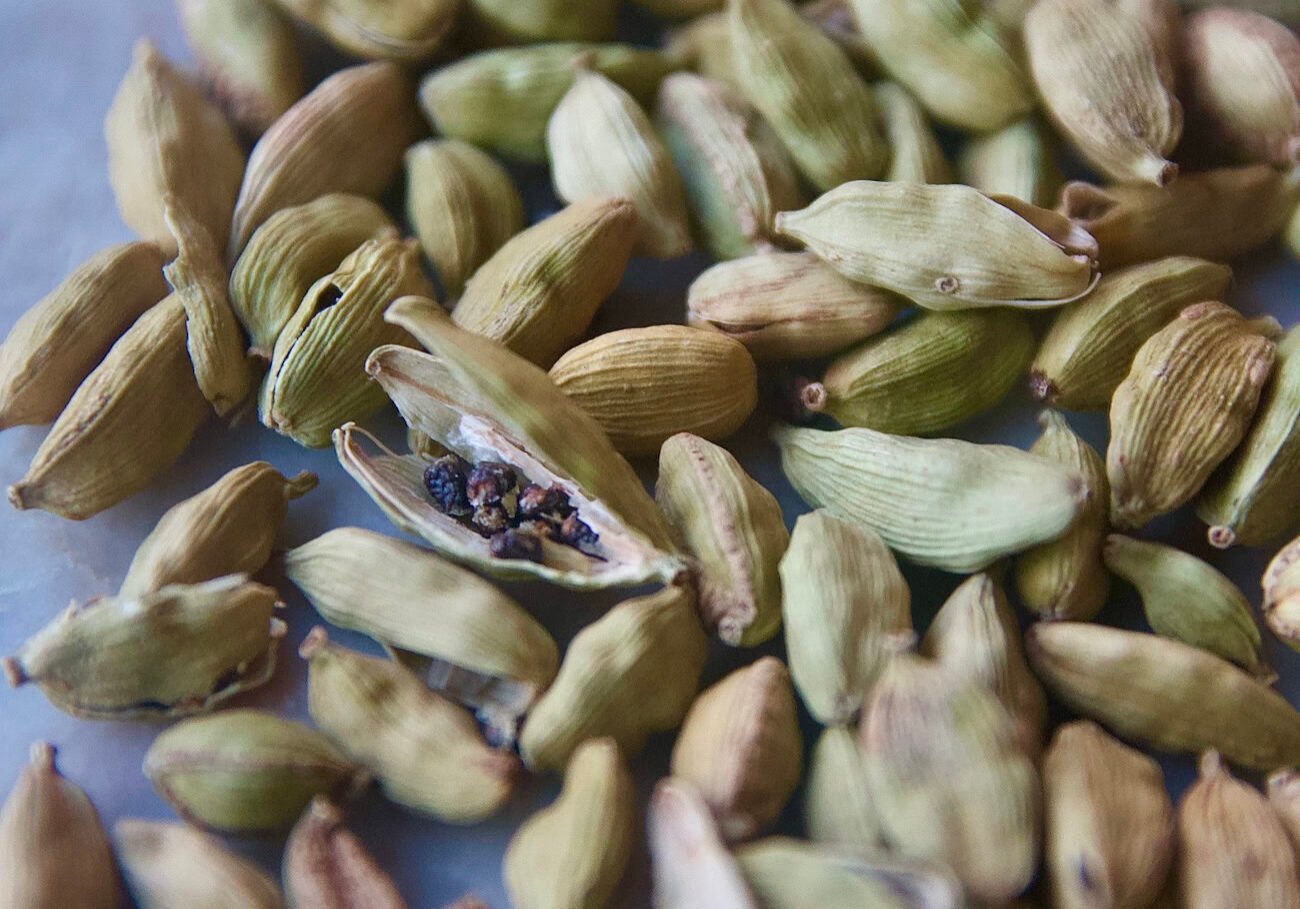
Cardamom is produced in smaller quantities (about 139,000 tons in 2024) but carries an outsized reputation. Guatemala and India are the top producers, with Guatemala largely growing for export. Middle Eastern markets drive much of the trade, while India both produces and imports cardamom to meet its massive domestic demand.
Despite low volume, cardamom is one of the highest-value spices in the world, with exports exceeding $1 billion in peak years. Despite coming in last in the popularity contest, it is the only spice on this list that is also on the most expensive list. Special recognition for that feat is in order.
Why Is It So Popular?
Cardamom’s intensely aromatic, sweet-spicy flavor makes it beloved across cultures. In the Middle East, it’s essential in Arabic coffee and desserts; in South Asia, it stars in curries, biryanis, and masala chai; in Scandinavia, it flavors pastries and breads. Its wide culinary range—from curries to Christmas baking—combined with its rarity and health benefits, earned it the title the “Queen of Spices.” Cardamom will undoubtedly retain it's global prestige for centuries to come.
Learn more about cardamom.
Crowd Favorites
These spices are global icons. They’ve stood the test of time and remain deeply desired by cultures everywhere. But their popularity is no accident. Each one delivers something indispensable, whether it’s heat, aroma, depth, or versatility.
While rare and exotic spices may come and go, these crowd favorites remain the backbone of the world’s kitchens. They connect farmers to factories, street vendors to Michelin-starred chefs, and home cooks everywhere to their loved ones. It's safe to say they've gone above and beyond to reserve a permanent spot in your spice cabinet.