Turmeric
Turmeric is the spice produced from the rhizomes of Curcuma longa, a tropical perennial herb in the ginger family.
REGION OF ORIGIN
Turmeric's exact wild ancestor remains unconfirmed, but Curcuma longa is believed to have evolved through human selection from Curcuma species native to Southwestern India. It has been widely cultivated throughout South and Southeast Asia since ancient times, valued across food, medicine, spirituality, and cultural rituals.
PART & COLOR
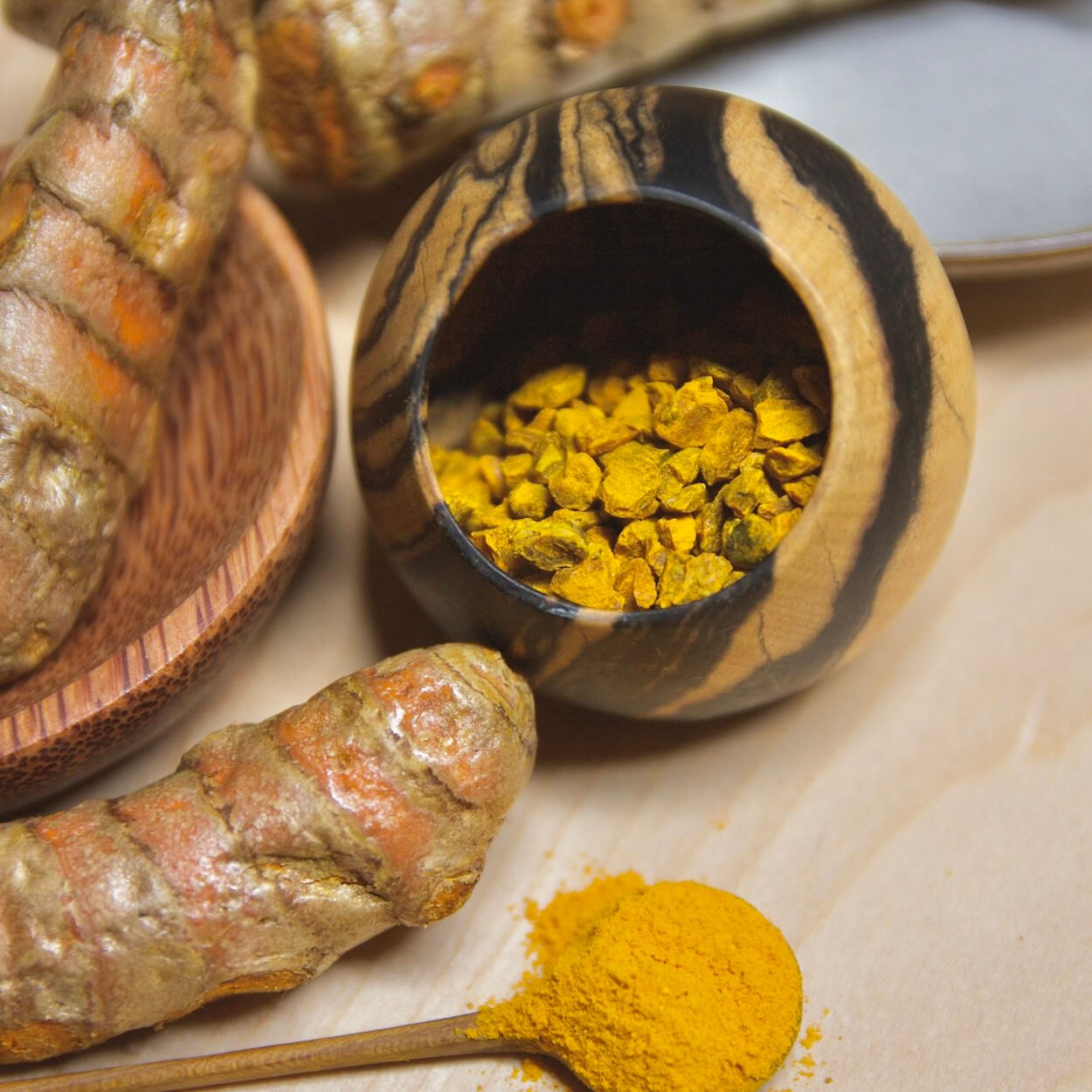
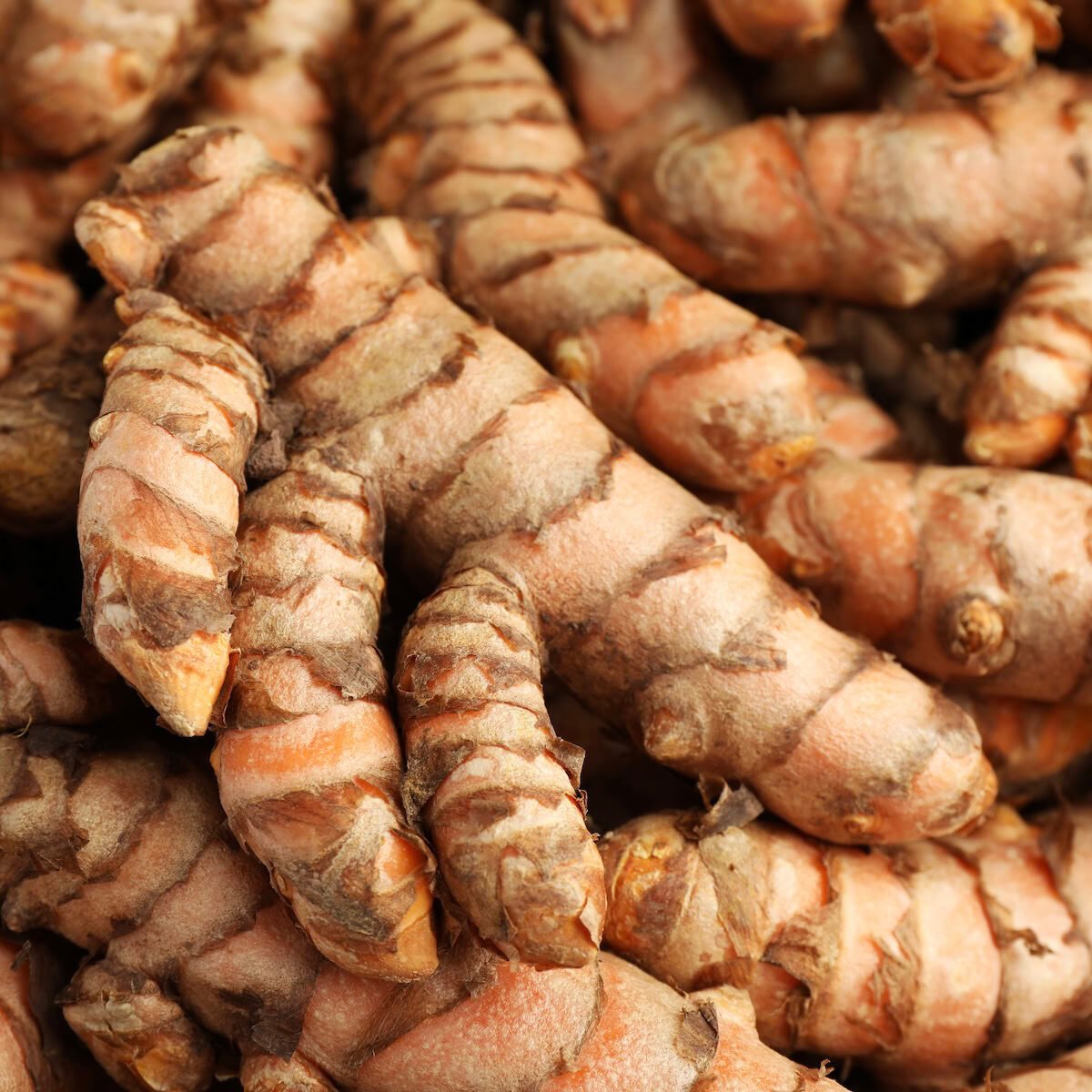
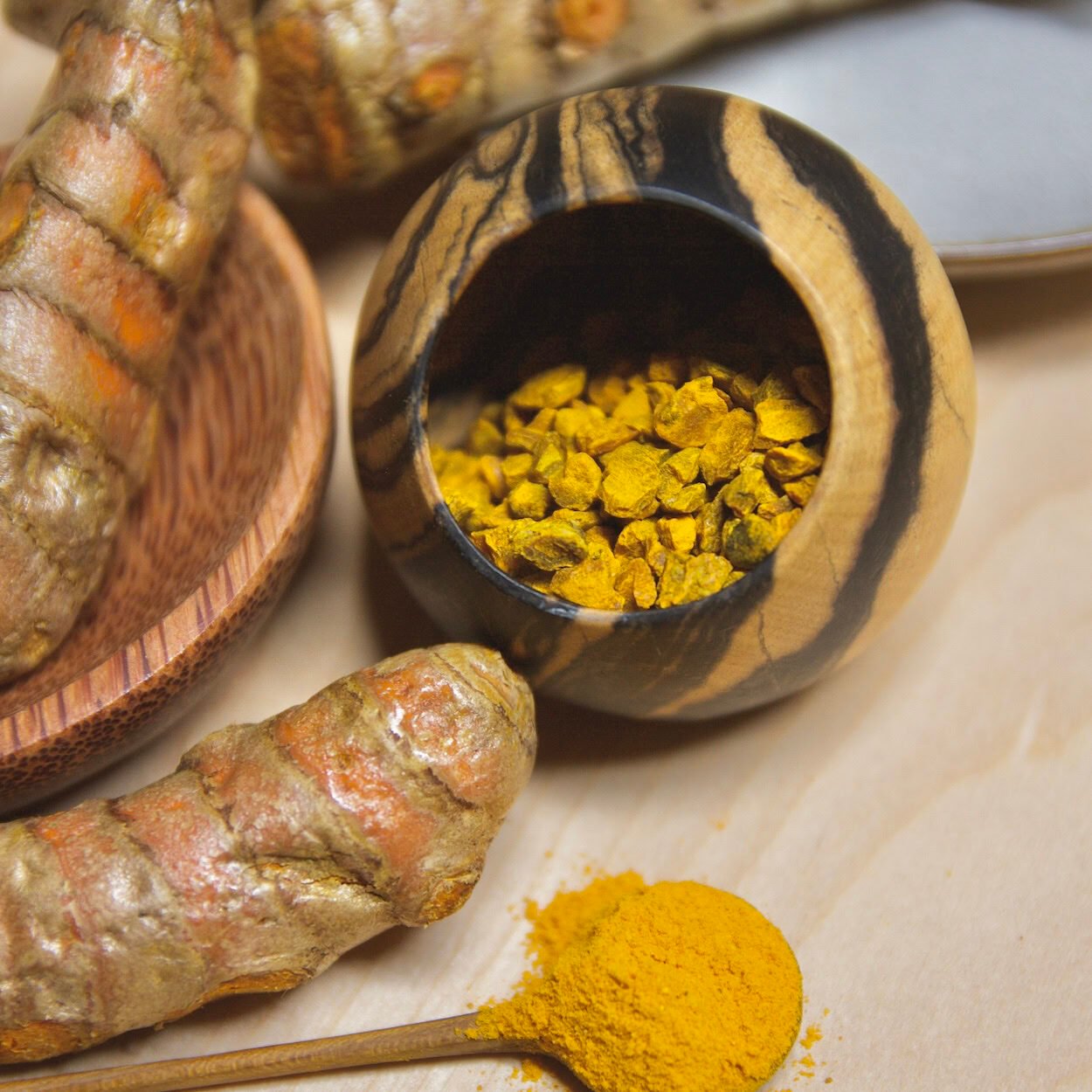
The outside of turmeric rhizomes is brownish and slightly rough with orange hues peeking through. Inside, the flesh ranges from bright yellow to deep orange, depending on the variety and maturity. When dried and ground, turmeric becomes the famously vivid golden yellow-orange powder used all around the world. The large, vibrant green leaves are also used to wrap, steam, and flavor foods across Indonesia, Malaysia, and the western coast of India.
PRODUCTION
From planting to harvest, turmeric generally needs 7-10 months of frost-free growth. The rhizomes are ready when the plant’s leaves and stems begin to yellow and dry. Learn more about how turmeric is produced.
FLAVOR & AROMA
While prized for its vibrant color, turmeric's flavor is equally distinctive. The aroma has a musky, mustard-like base accented by fresh citrus and ginger notes and a hint of warm spice. The flavor is earthy and warm, with a distinct bitterness and mild bite. A subtle sweetness lingers underneath.
Fresh turmeric rhizomes provide a distinctly brighter and more vibrant profile compared to the dried powder. The rhizomes are intensely earthy and peppery, with refreshing citrusy notes. In contrast, dried turmeric has a deeper, more concentrated bittersweet and warm spice flavor.
CULINARY USES
Integral to South Asian, Southeast Asian, and Middle Eastern cooking, the "golden spice" is quintessential to many curries, mustards, and spice blends. Although it's mostly used in savory dishes, turmeric can pair with cinnamon and cardamom in sweet creations as well. It has a powerful flavor that can quickly overwhelm a dish, so it’s often best to combine it with complementary spices to balance it out.
Turmeric leaves can be added whole to broths, curries, or stews, and then removed prior to serving. You can also wrap them around fish before grilling, similar to banana leaves.
CLASSIFICATION
Expand- KINGDOM: Plantae
- CLADE: Tracheophytes
- CLADE: Angiosperms
- CLADE: Monocots
- CLADE: Commelinids
- ORDER: Zingiberales
- FAMILY: Zingiberaceae
- GENUS: Curcuma
- SPECIES: Curcuma longa (syn. Curcuma domestica)
OTHER NAMES
Expand- English: turmeric, golden spice, yellow ginger, Indian saffron
- Spanish: cúrcuma
- Portuguese: açafrão-da-terra, cúrcuma
- French: curcuma, safran des Indes
- Italian: curcuma
- German: Gelbwurz, Curcuma, Kurkuma, Indischer Safran
- Dutch: geelwortel, kurkuma, tarmeriek
- Czech: kurkuma, indický šafrán
- Hungarian: kurkuma
- Danish: gurkemeje
- Norwegian: gurkemeie
- Swedish: gurkmeja
- Finnish: kurkuma, kurkum
- Greek: kitrinóriza, kourkoumás, kourkoúmi
- Turkish: zerdeçal
- Hebrew: kurkum
- Arabic: kurkum, kharkoum
- Persian: zardchoobeh, zardchubeh, zardchūbeh
- Swahili: manjano, binzari, bizari, binzari manjano, tangawizi manjano
- India:
- Hindi: haldi, haldee
- Punjabi: haldi, haldar, haldhar
- Bengali: halud, holud
- Assamese: halodhi, haladhi, horidra
- Gujarati: haldar, haldhar, haldi
- Marathi: halad, halade, halede
- Telugu: pasupu
- Kannada: arishina, arisina
- Tamil: manjal
- Malayalam: manjal
- Sanskrit: haridra, haridrā, haladi, harita
- Sinhala (Sri Lanka): kaha
- Burmese: hsanwin, sanwin, sa-nwin
- Thai: khamin, kamin, khamin chan
- Khmer (Cambodia): romiet, lamiet
- Vietnamese: nghệ, nghe, nghệ vàng
- Malay: kunyit, kunyit basah (fresh turmeric)
- Indonesian: kunyit, kunjit, daun kunyit (leaves)
- Filipino: luyang dilaw, dilaw, dilao
- China
- Mandarin: jiānghuáng, jiang huang
- Cantonese: goeng wong
- Korean: ganghwang
- Japanese: ukon, tāmerikku
Note: Languages that use only the common international spelling and have no distinct or widely used local name are not listed.
NUTRITION FACTS
Expand
FLAVOR CHEMISTRY
ExpandFlavor emerges from the combined effects of aroma, taste, and mouthfeel. At least 235 chemical constituents have been identified in turmeric, though only a fraction directly shape its flavor. Its aroma comes mainly from volatile oils, while its vivid color and much of its bitterness come from curcuminoids:
Aromatic Compounds
- Turmerones (ar-, α-, and β-Turmerone)
- The primary compounds in turmeric essential oil and the source of its warm, woody aroma. They are the main reason why turmeric tastes earthy rather than simply bitter.
- Warm, woody, earthy, and faintly peppery.
- Zingiberene
- The signature compound of ginger, turmeric's close relative, giving it a similar spicy, peppery quality.
- Spicy, woody, and lightly citrusy.
- β-Sesquiphellandrene
- A close relative of zingiberene that deepens turmeric's woody, faintly citrusy element.
- Woody, warm, and lightly citrusy.
- ar-Curcumene
- Contributes another dry, warm, earthy note beneath the turmerones.
- Warm, woody, and earthy.
- α-Phellandrene
- Adds a fresh, green, minty-citrus lift that is far more noticeable in fresh turmeric than in dried.
- Fresh, green, peppery, and lightly citrusy.
- Other Aromatic Compounds
- Turmeric also contains germacrone, terpinolene, 1,8-cineole, β-caryophyllene, and many others.
Taste and Mouthfeel Compounds
- Curcuminoids
- The same ones listed under pigments below, these compounds, principally curcumin, also contribute to turmeric's bitterness. They are not its only bitter compounds, but they help explain why too much turmeric can make a dish taste overly bitter rather than simply turning it yellow.
- Bitter.
Pigments
- Curcuminoids
- The compounds responsible for turmeric's vivid yellow color, and the focus of most research into its health properties. Curcumin makes up roughly 60 to 70% of the curcuminoid content, with demethoxycurcumin at around 20 to 27% and bisdemethoxycurcumin at 10 to 15%. They also appear above for their bitterness.
- The compounds responsible for turmeric's vivid yellow color, and the focus of most research into its health properties. Curcumin makes up roughly 60 to 70% of the curcuminoid content, with demethoxycurcumin at around 20 to 27% and bisdemethoxycurcumin at 10 to 15%. They also appear above for their bitterness.
Understanding Composition
- Chemical composition can vary widely, mainly in the concentrations of certain compounds. This variation causes differences in quality, which is why the best spices and herbs are often graded by the levels of key compounds that drive flavor, aroma, and color.
- Quality is affected by variety, age and freshness, region and terroir, environmental stressors, and potential adulteration. It's then further influenced by how the plant is handled at every stage: cultivation, harvesting, processing (drying, curing), shipping, storage, and preparation (grinding, grating, infusing, toasting). A magnificent spice or herb is a celebration of an immense journey, shaped by nature, the people who produce it, and the cook who delivers it to a dish.
HEALTH BENEFITS
ExpandTurmeric has been used for thousands of years in Ayurvedic and Traditional Chinese Medicine for its potent anti-inflammatory, antioxidant, and antiseptic properties. Building on this rich history, modern scientific research and a growing body of clinical trials are beginning to demonstrate the medicinal qualities of this intriguing spice. While preliminary, the results are encouraging.
The primary bioactive component of turmeric is curcumin, responsible for its characteristic gold color. Alongside the other curcuminoids present in turmeric, this compound offers a wide range of health benefits. Here is an overview of some of the most promising areas of turmeric's medicinal potential:
- Anti-inflammatory Action
- Curcumin possesses powerful anti-inflammatory properties. It works on a molecular level by inhibiting key molecules that influence inflammation and blocking their pathways within the body. These properties make turmeric a beneficial supplement for managing chronic inflammatory conditions, including arthritis, inflammatory bowel disease, pancreatitis, heart disease, and certain cancers.
- Pain Relief
- Because inflammation is a major contributor to pain, especially joint pain, turmeric also demonstrates potential pain-relieving effects. This includes decreasing muscle soreness due to simple exercise-induced damage. Some evidence even suggests curcumin may influence how the nervous system processes pain signals. This could potentially help with pain conditions resulting from nerve damage.
- Antioxidant Power
- Turmeric is rich in antioxidants. Curcumin neutralizes free radicals directly and also stimulates the body's own antioxidant enzymes, enhancing the body’s defense against oxidative stress, which can worsen inflammation and pain perception. This antioxidant action contributes to the prevention of cellular damage, aging, and various diseases.
- Brain Health
- Curcumin has been shown to cross the blood-brain barrier, offering potential protection against neurodegenerative diseases. It supports brain health by reducing inflammation and oxidative stress, and may influence the formation of protein plaques associated with Alzheimer's disease. Curcumin also promotes levels of BDNF (brain-derived neurotrophic factor), crucial for the health, growth, and survival of neurons. These effects also hold potential benefits for improving memory, regulating mood, and slowing age-related cognitive decline.
- Cardiovascular Health
- Turmeric's benefits extend to the cardiovascular system. Its anti-inflammatory and antioxidant properties could help regulate blood pressure, improve cholesterol levels, and protect blood vessels, potentially reducing the risk of heart disease.
- Digestive Aid
- Turmeric may support digestive health due to its potential for stimulating bile production, which aids in fat digestion. Additionally, its anti-inflammatory and antioxidant properties could help manage symptoms associated with digestive disorders like Irritable Bowel Syndrome.
- Cancer Prevention
- Emerging research indicates that curcumin can affect cancer growth, development, and spread at the molecular level. It has been shown to induce apoptosis (programmed cell death) in cancerous cells, inhibit angiogenesis (growth of new blood vessels that supply tumors), and decrease metastasis (spread of cancer). However, while in vitro (test tube) and animal studies show promising results, there is a need for more comprehensive human clinical trials to confirm these findings.
- Liver Function and Detoxification
- Curcumin shows potential for supporting liver function. It may enhance detoxification pathways by influencing specific enzymes, and its antioxidant properties could help protect against liver damage from toxins. This would be beneficial for those taking medications with potential side effects on the liver. However, it's essential to consult a healthcare professional before using curcumin, especially if you take other medication.
- Immune System Support
- Turmeric demonstrates immunomodulatory properties, allowing it to influence the activity of various immune cells, including T cells, B cells, macrophages, and neutrophils. This supports a healthy immune response while potentially preventing overactivation, which can lead to inflammation and autoimmune diseases.
- Metabolic Disorders
- Research suggests curcumin may improve insulin sensitivity and help manage blood sugar levels, potentially benefiting individuals with metabolic syndrome or diabetes.
- Antiseptic Properties
- In the Ayurvedic tradition, turmeric is valued as a readily available antiseptic for cuts, burns, and bruises, and there is truth to this. Turmeric exhibits antibacterial and antifungal activity against a range of microorganisms, appearing to disrupt bacterial cell membranes and inhibit microbial growth. While more research is needed, its antiseptic properties could help prevent infection, and its anti-inflammatory effects might aid in the healing process. However, it's important to consider its potency (or lack thereof) compared to modern-day antiseptics specifically designed for wound care, like iodine or chlorhexidine.
Important Considerations
- Limited Bioavailability: Curcumin has low bioavailability, which means the body absorbs it poorly. Strategies like combining turmeric with black pepper (due to the compound piperine) and healthy fats can enhance absorption.
- Most Research is Preliminary: While research is promising, more extensive human clinical trials are needed to definitively confirm the efficacy and safety of turmeric's medicinal properties.
- Dosage Matters: Researchers commonly use concentrated extracts, so standard dietary consumption may not yield the same results. More studies are required to establish proper dosages and administration methods.
- Medication Interaction: Turmeric should not be considered a replacement for conventional medical treatments. While it is generally safe for most people, it is critical to exercise moderation and consider interactions with other medications.
- Disclaimer: Consult healthcare professionals before using spices or herbs medicinally.
ALTERNATIVE USES
ExpandTurmeric is highly versatile. It holds many applications beyond its well-documented culinary and medicinal uses, highlighting its importance across cultures and disciplines. Here are some of its popular alternative uses:
- Cultural and Spiritual Significance
- In many cultures, especially in India and Southeast Asia, turmeric holds significant religious value. It is considered sacred. Whole rhizomes are often used as offerings in temples, and the powder is used to mark religious objects, create patterns in worship spaces, or adorn statues of deities. Its bright color is believed to ward off evil spirits. In Hindu weddings, it symbolizes purity, fertility, prosperity, and auspiciousness. Turmeric paste is often applied to the bride and groom as part of pre-wedding rituals, and rhizomes are sometimes strung around ceremonial necklaces.
- Skincare
- Turmeric is incorporated into homemade and commercial skincare products for its antioxidant and anti-inflammatory properties. It is used in face masks, creams, body scrubs, anti-scarring agents, sunscreens, and lotions. It is believed to improve skin health, reduce acne, and brighten complexion.
- Dye
- Turmeric has been used as a natural dye for centuries, imparting a vibrant yellow color to various materials, including clothes, linens, textiles, paper, and handicrafts. It fades over time when exposed to sunlight, so dye fixatives are often used to set the color into fabrics. To this day, turmeric remains an attractive, eco-friendly alternative to synthetic dyes.
- Indicator in Chemistry
- Turmeric changes color in the presence of acidic or alkaline substances, so paper dipped in turmeric solution can be used as rudimentary pH test strips in labs or educational settings.
- Photography
- Turmeric can be used in anthotype photography, a process that uses photosensitive material from plants to create images. Turmeric's pigment acts as a light-sensitive layer, capturing images on paper or fabric.
- Wood Treatment
- Traditionally, turmeric has been applied to wood as a natural preservative, both for its color and antimicrobial properties.
- Insect Repellent
- Turmeric's antibacterial and antifungal properties make it useful in gardening as a natural pesticide and insect repellent. A solution made from turmeric can help protect plants from various diseases and pests.
- Water Purification
- Preliminary research suggests turmeric’s antimicrobial compounds may assist in water purification, though practical applications are still experimental.
Disclaimer
- While turmeric shows promise in these areas, its effectiveness may be limited compared to commercial alternatives.
SUBSTITUTIONS
ExpandBefore we discuss the spices that can be used as a substitute, here are the spices with similar names that often get confused with the real thing:
- Javanese Turmeric Root: This is a different species of the same genus (Curcuma xanthorrhiza). It has a different flavor profile and use case than turmeric (Curcuma longa).
- Zedoary: Despite being called "white turmeric," it's again a different species from the same genus (Curcuma zedoaria) with its own distinct flavor.
- Tree Turmeric: This refers to a completely different plant (Berberis vulgaris) that has yellow-colored wood and should not be used as a substitute for turmeric.
- Goldenseal: Another plant (Hydrastis canadensis) that has nothing to do with turmeric, despite sometimes being misleadingly marketed as a turmeric substitute.
Turmeric is known for its vibrant yellow hue and subtly earthy, bitter flavor. While the spice is hard to replicate, sometimes you can't avoid needing to find alternatives. Several substitutions can provide somewhat similar taste nuances or visual appeal:
Flavor-Focused Substitutes
- Ginger
- A close relative of turmeric, ginger shares some warmth and peppery notes. Use slightly less ginger if it's fresh, or about half the amount of turmeric if using dried ground ginger. It lacks the color contribution but offers a different kind of spiciness and warmth to dishes. It's suitable for substitution in marinades, dressings, and certain baked goods.
- Curry Powder
- Since turmeric is a key ingredient in curry powder, using curry powder can mimic both its color and part of its earthy, complex flavor profile. However, curry powder is a blend of spices, so it will introduce additional flavors to the dish, typically from coriander, cumin, and chili powder. It's best used in recipes where these complex flavors are welcome.
- Saffron
- Although primarily used as a golden color substitute, saffron offers a subtle earthy flavor that can complement some dishes where turmeric is used. Because of its strong flavor, saffron should be used sparingly. It's suitable for rice dishes, soups, and stews where the color is important.
- Ground Cumin
- Flavor-wise, ground cumin can serve as a substitute for turmeric, offering an earthy, warm, and slightly bitter taste, although it lacks the vibrant yellow color. It works well in savory dishes like curries, soups, and spice rubs.
Color-Focused Substitutes
- Annatto Powder
- Extracted from the seeds of the achiote tree, annatto also provides a bright yellow-orange hue resembling turmeric. It has a mildly nutty flavor, suitable for rice dishes, stews, and sauces.
- Saffron
- Saffron threads steeped in hot water, milk, or broth release their beautiful yellow color. However, saffron's distinctive floral flavor is more prominent when used in larger quantities for color, so be careful.
- Paprika + Yellow Mustard Powder
- Combining sweet paprika's reddish tint with the bright yellow of mustard powder offers a decent approximation of turmeric's signature hue, though the flavor will differ. The combination will be a touch of sweetness with a bit of earthy pungency from the mustard. If a hint of sharpness is desired, this can work well.
Substitution Tips
- Incomplete Substitution: All spices and herbs are too complex to match exactly, so focus on which aspects of their flavor, aroma, texture, or color you wish to replicate.
- Quantity: Start with a small amount of the substitute and adjust to taste. It won't be a 1:1 exchange in flavor or potency.
- Context: Consider the entire dish and how the substitute's full flavor profile will merge with the other ingredients.
- Experimentation: Playing with substitutions is a great opportunity to explore how different flavors interact. If you approach it with curiosity, you may really enjoy the process and make some delicious discoveries along the way.
A BRIEF HISTORY
ExpandTurmeric boasts a storied history spanning continents and cultures. The golden spice has been deeply entwined with the fabric of human civilization for thousands of years. Archaeological evidence traces turmeric’s origins back to the ancient peoples of the Indian subcontinent, pointing to its use as early as 2600 BCE. Turmeric first emerged as a cornerstone of spiritual and medicinal practices. Its early use as a dye is most iconically seen in the yellow-orange robes of Hindu priests and Buddhist monks, symbolizing purity.
As Hinduism and Buddhism spread across Asia, turmeric traveled with them, ingratiating itself into the local cultures and traditions of these new regions. From Ayurvedic remedies in India to the traditional medical practices of Southeast Asia and China, turmeric left an indelible mark on numerous healing systems as it went. This dual purpose of turmeric, both sacred and practical, further cemented its role in daily life and facilitated its expansion across Asia.
However, its spread was not limited to the Asian continent. Evidence of turmeric has been discovered in far-reaching locales such as Tahiti, Hawaii, Easter Island, and Madagascar before European contact, suggesting vast, ancient distribution networks. The Austronesian peoples, known for their remarkable seafaring abilities, played a crucial role in disseminating turmeric throughout Oceania and beyond.
But it didn’t stop there. Turmeric was found in a merchant’s tomb in Megiddo, Israel, dating back to the second millennium BCE, and it appears in 7th century BCE Assyrian cuneiform medical texts. These discoveries underline turmeric's deep historical roots and early widespread use. It is a fascinating testament to the trade routes and cultural exchanges of the ancient world. Not to mention the global importance of this special spice! The enduring legacy of turmeric is that it symbolizes the interconnectedness of human cultures, from the very beginning to the modern day.