Cumin
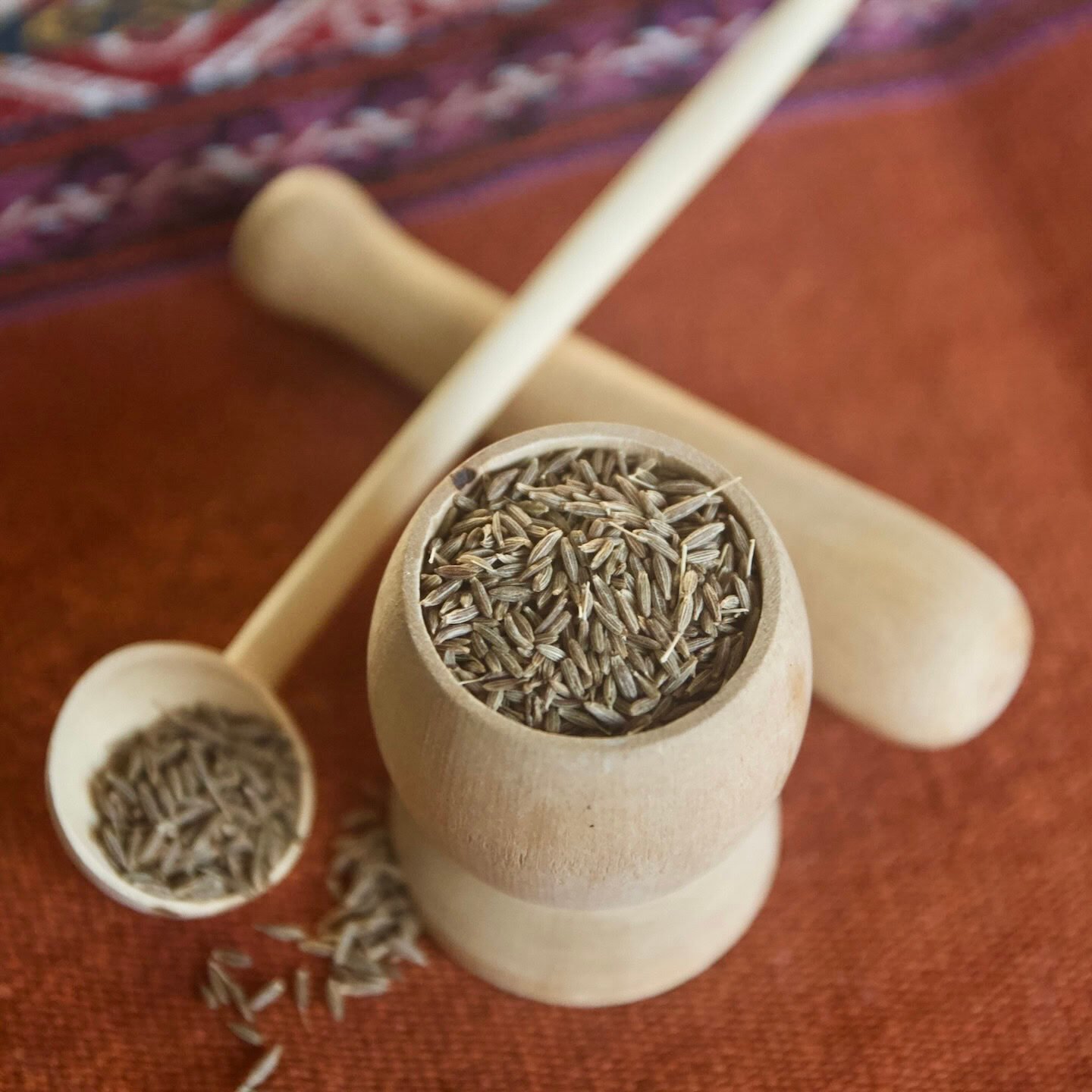
Cumin is the spice produced from the tiny fruits of Cuminum cyminum, an annual herb in the parsley family.
REGION OF ORIGIN
While its exact botanical origin is still debated, evidence suggests cumin's journey started in the Fertile Crescent. The spice was found in Syrian and Egyptian archaeological sites from the second millennium BCE.
PART & COLOR
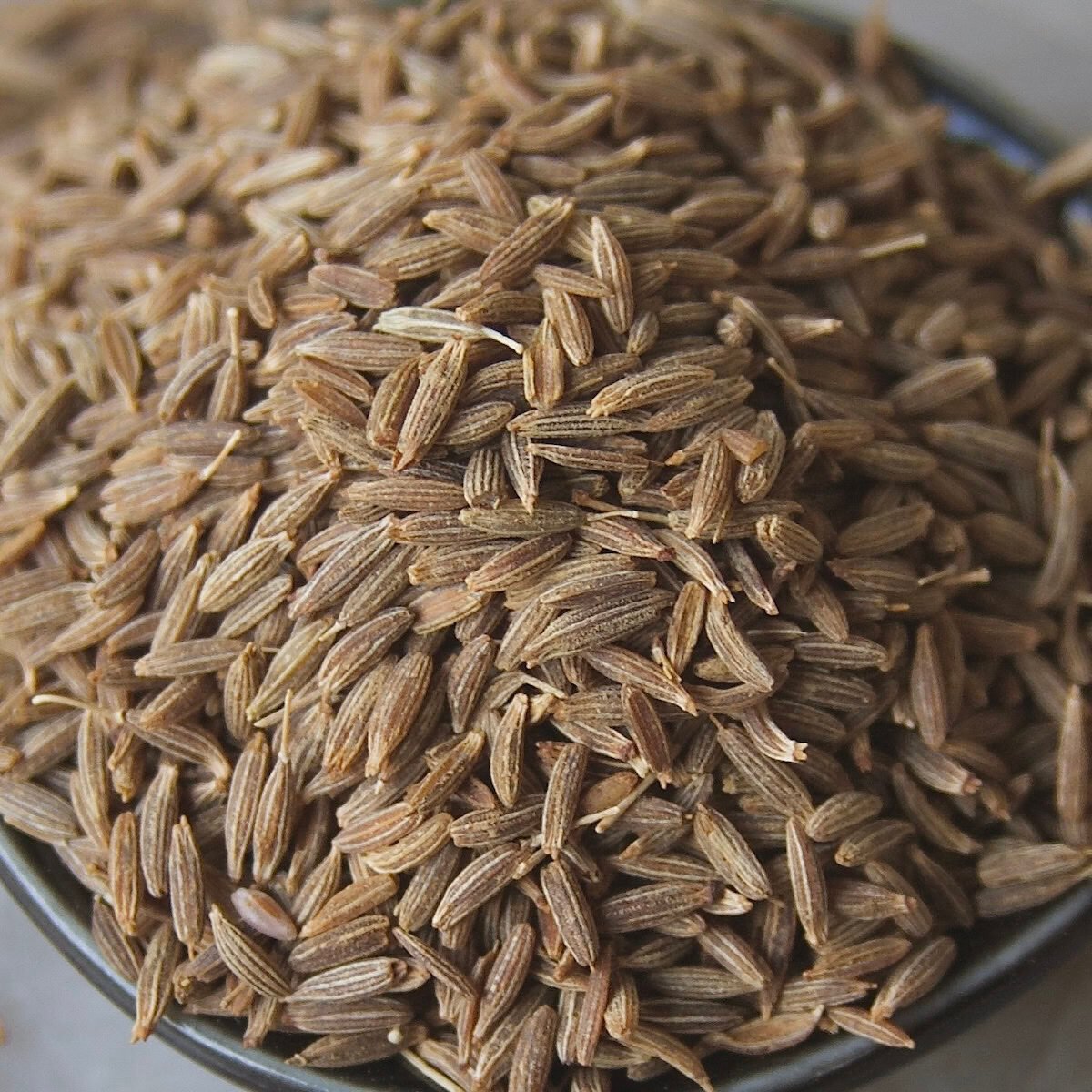
Like the other “seed” spices in the parsley family (anise, caraway, coriander, dill seed, and fennel seed), cumin “seeds” are actually tiny, narrow fruits called schizocarps. They have noticeable ridges running down their length, giving them a slightly rough texture. The color is warm and earthy, almost amber. Ground cumin is a yellowish brown powder.
PRODUCTION
Cumin is a warm-season annual herb that thrives in full sun and well-drained soil. It is typically sown in the spring after the last frost and requires about 100-120 days of growth. In the late summer or early autumn, the fruits turn from green to a light golden-brown, signalling they are ready. They must be harvested before they fully ripen, as they will shatter and scatter the seeds. The whole plant is cut at the base, dried upside down, and threshed to separate the fruits.
FLAVOR & AROMA
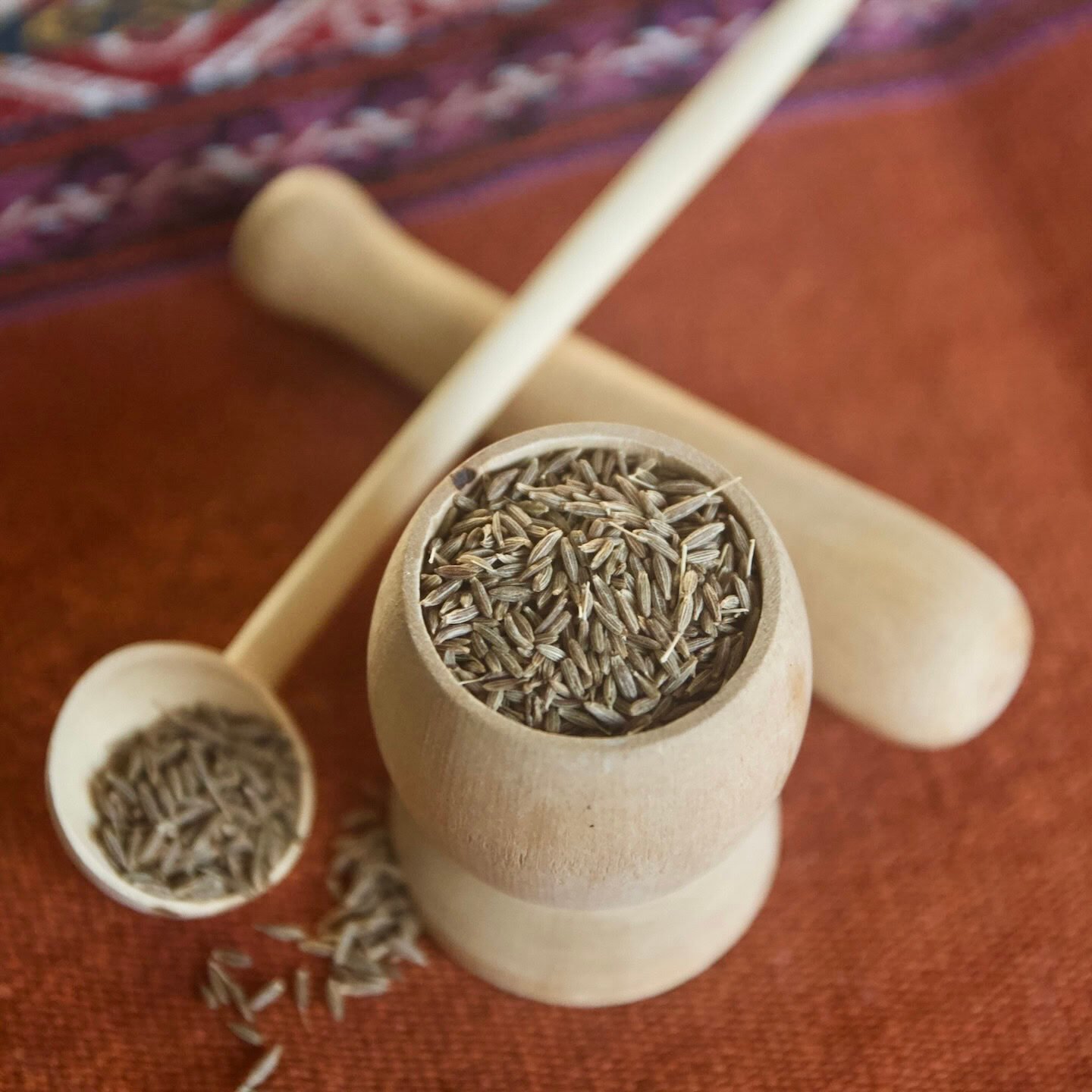
Cumin has an unmistakable aroma. Warm, sweet, and citrusy with a faintly smoky quality, it's reminiscent of sun-baked earth. When toasted, it becomes richer and nuttier. On the palate, cumin delivers a complex flavor that's so savory many describe it as "meaty," which is rare for a spice. Its initial warmth gives way to a mild sweetness with hints of citrus and pepper. The total experience is very satisfying.
Cumin is blessed with a wealth of aromatic compounds like cuminaldehyde and p-cymene that are the unsung heroes behind its well-rounded profile. It is an irreplaceable spice that brings warmth and balance to countless recipes.
CULINARY USES
Across cultures, cumin deepens dishes with its timeless aromatics. A staple in Indian cuisine, whole cumin is often tempered in hot oil or butter to release its oils into curries, dals, vegetables, biryanis, and the popular street food chaat. In Mexico, it's essential to chile powder blends, tacos, and enchiladas, balancing the heat of chiles and the freshness of cilantro, while unlocking hidden flavors within black beans.
In Middle Eastern cuisine, cumin adds complexity to grilled meats, vegetables, and various dips like hummus and baba ghanoush. In the Mediterranean, it makes important appearances in sausages, stews, and breads.