Caraway
Caraway is the spice produced from the tiny fruits of Carum carvi, a biennial herb in the parsley family.
REGION OF ORIGIN
While its precise birthplace remains a mystery, caraway is native to Europe, North Africa, parts of the Middle East, and Central Asia. It's a cool-season herb that flourishes in temperate climates, which is why its leading producers today include Finland, the Netherlands, Poland, and Germany.
PART & COLOR
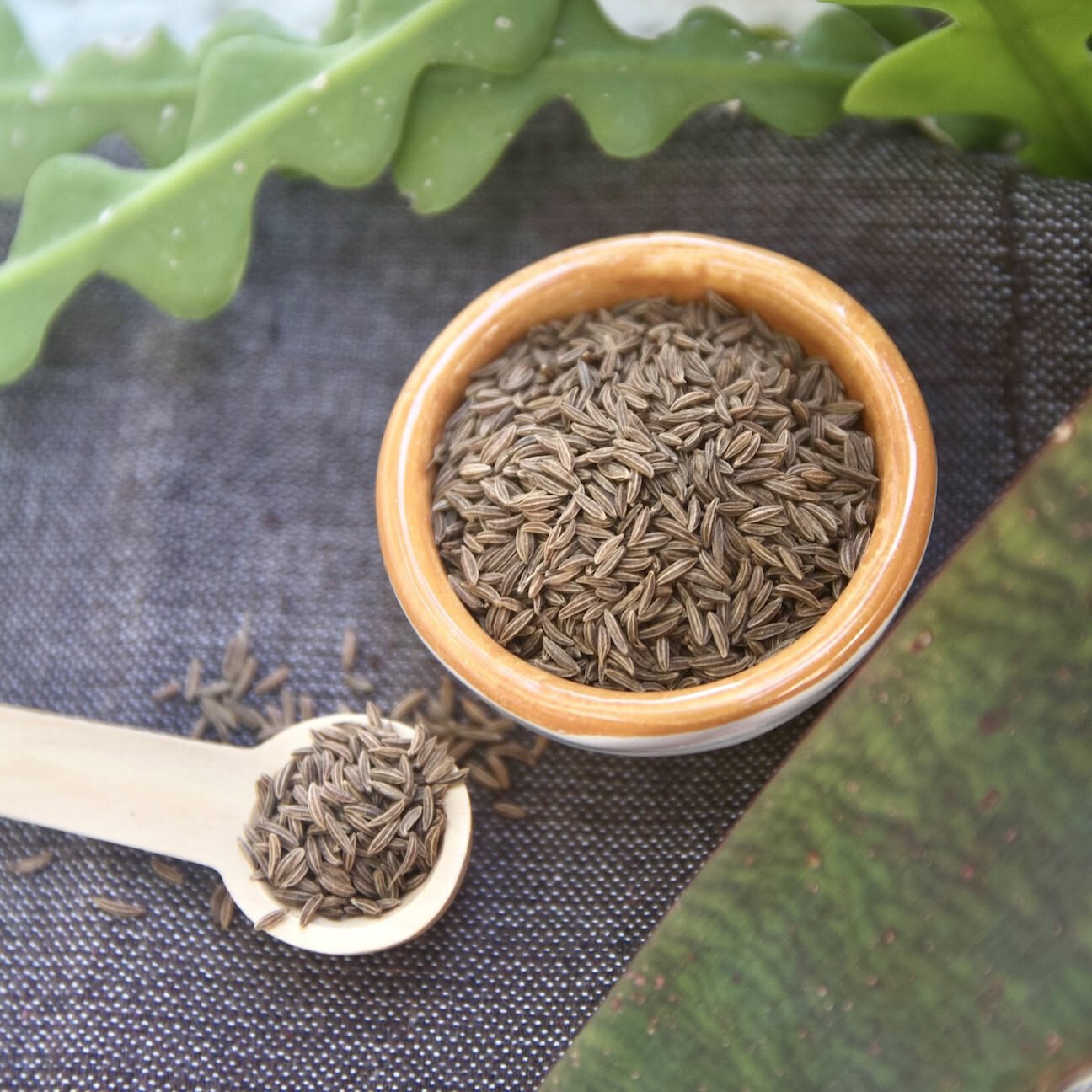
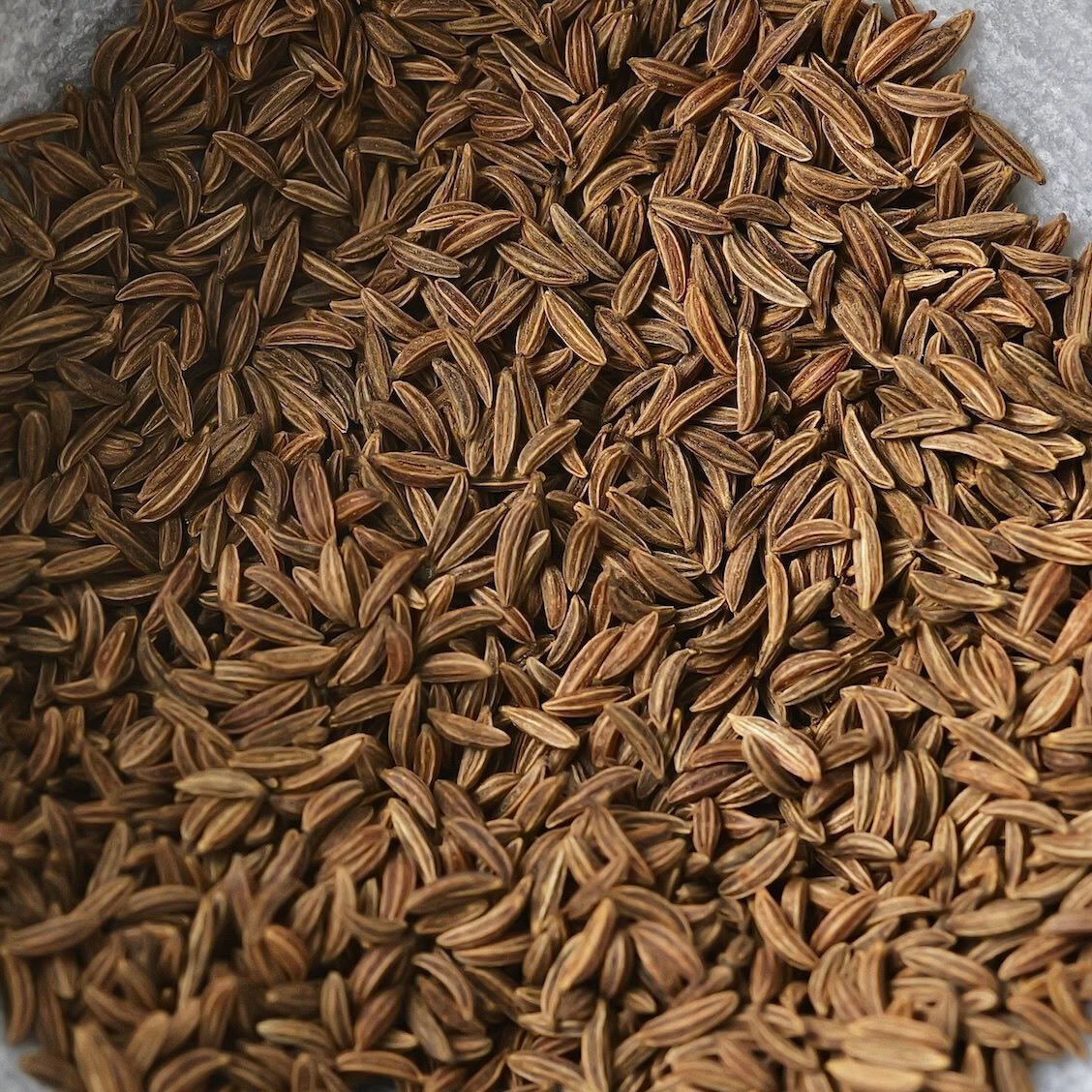
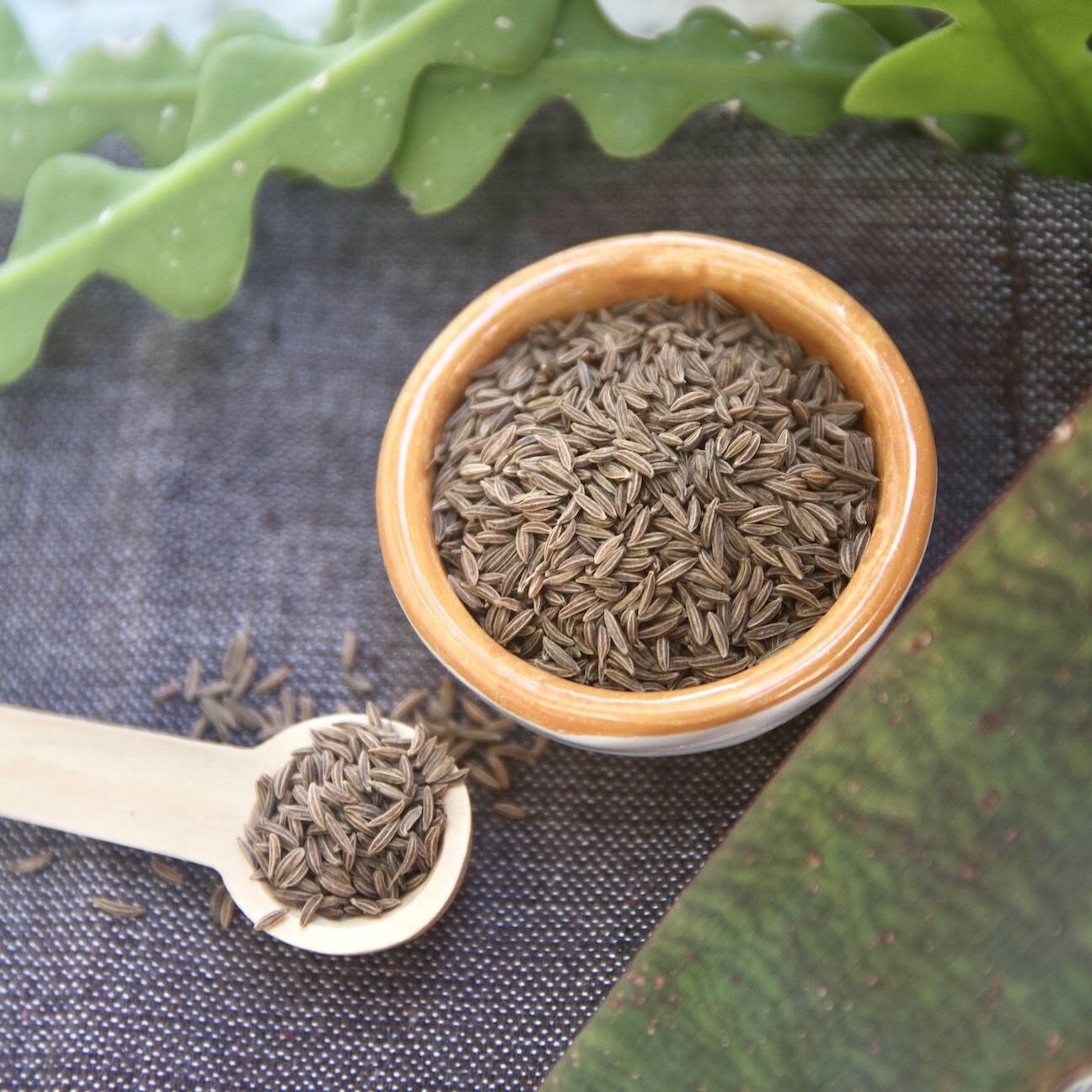
Caraway "seeds" are actually tiny dried fruits called schizocarps. Thin and slightly curved with five pale ridges, they range in color from warm amber to deep brown. The plant's feathery green leaves and white flower petals can also be used as a garnish or in salads.
PRODUCTION
C. carvi thrives in full sun and well-drained soil. It is a biennial, completing its life cycle over two years. Planted in spring, it forms leaves in its first year, then flowers and develops seeds in its second. The seeds are harvested in late summer or early autumn of that second year. To shorten the cycle, some growers treat caraway as an annual, coaxing seed in the first year and replanting each season.
FLAVOR & AROMA
Caraway’s captivating aroma blends warm, earthy, herbal, and sweet notes with hints of anise and pepper. A citrusy element akin to lemon or orange zest brightens it. It instantly reminds you of freshly baked rye bread and hearty winter stews.
On the palate, caraway delivers an initial rush of bittersweetness followed by a light warmth and a touch of spice. Dill, fennel, and citrus notes linger on the tongue. While grinding the seeds releases their flavor and distributes it more evenly throughout a dish, some cooks prefer sprinkling whole caraway for texture. They offer a pleasant crunch and make the flavor more explosive.
CULINARY USES
Across Northern and Eastern Europe, caraway is so essential to rye bread that their aromas are nearly synonymous. It's a classic in German sauerkraut, Austrian goulash, Hungarian cabbage rolls, Polish pierogi, and Dutch spiced cheeses. In Scandinavia, caraway flavors the lively spirit aquavit, the Danish cheese Danbo, and Sweden’s iconic limpa bread. Caraway is also found in North African spice blends like Tunisian harissa, as well as Middle Eastern stews and breads.
Have fun experimenting with it. Toss whole caraway on roasted vegetables, mix it into marinades for meats and fish, and infuse it into oils, vinegars, and syrups.