Fennel
Fennel is the herb derived from the leaves and shoots of Foeniculum vulgare, a perennial in the parsley family. The fennel plant also provides two spices from its fruits and pollen, and a seasoning vegetable from its bulb.
REGION OF ORIGIN
Fennel was born on the shores of the greater Mediterranean basin, spanning Southern Europe, North Africa, and the Middle East. This region's mild winters and dry summers allowed its wild ancestors to flourish. From ancient Egypt to Greece and Rome, the herb has been celebrated for millennia.
PART & COLOR
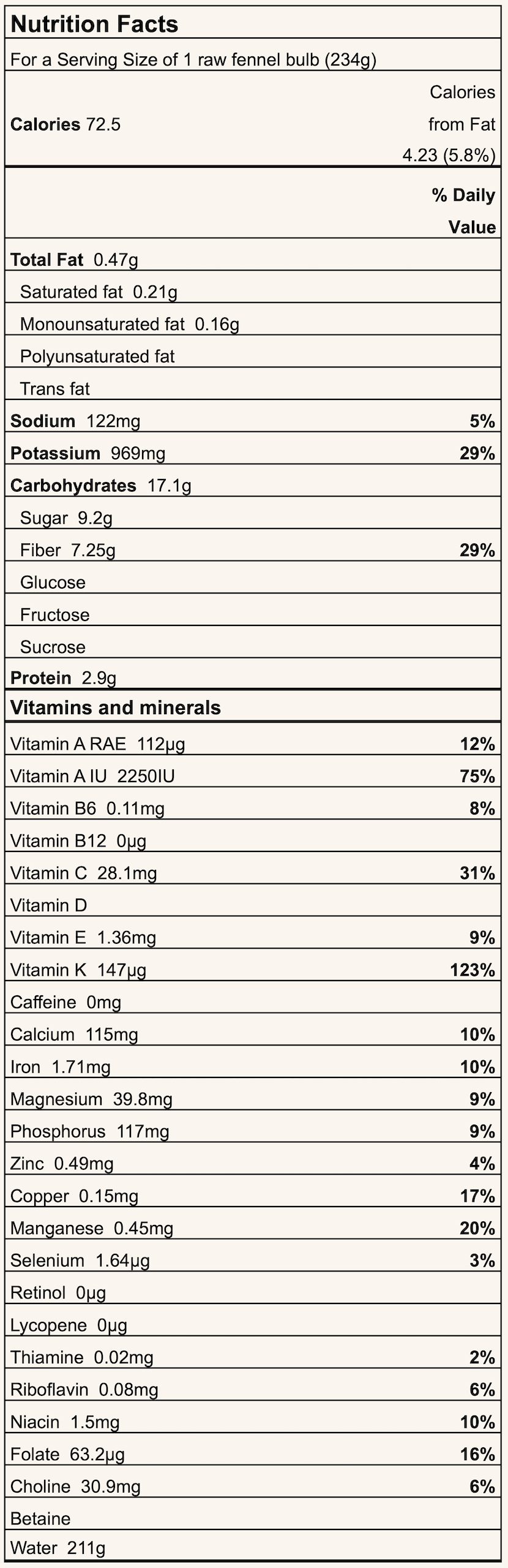
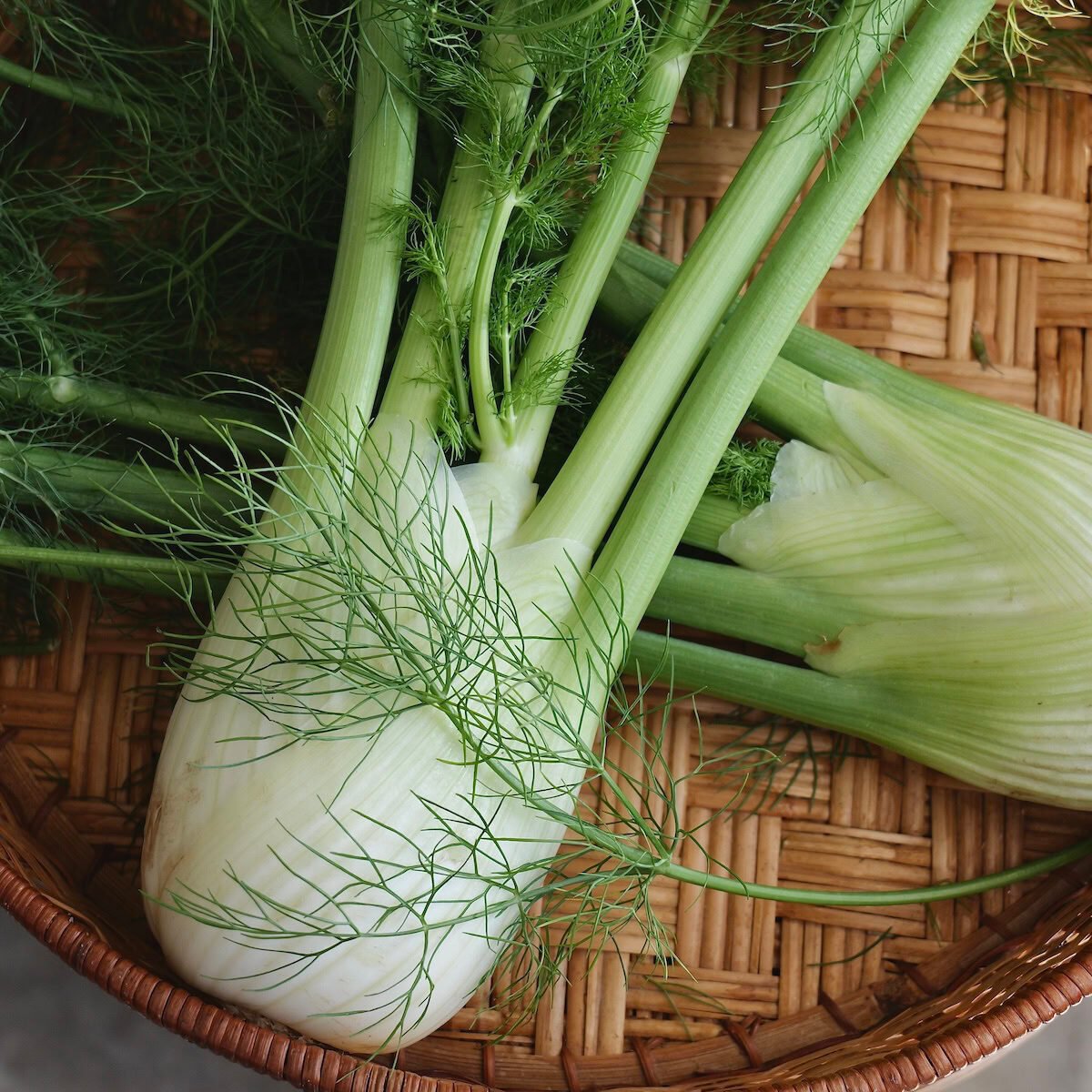
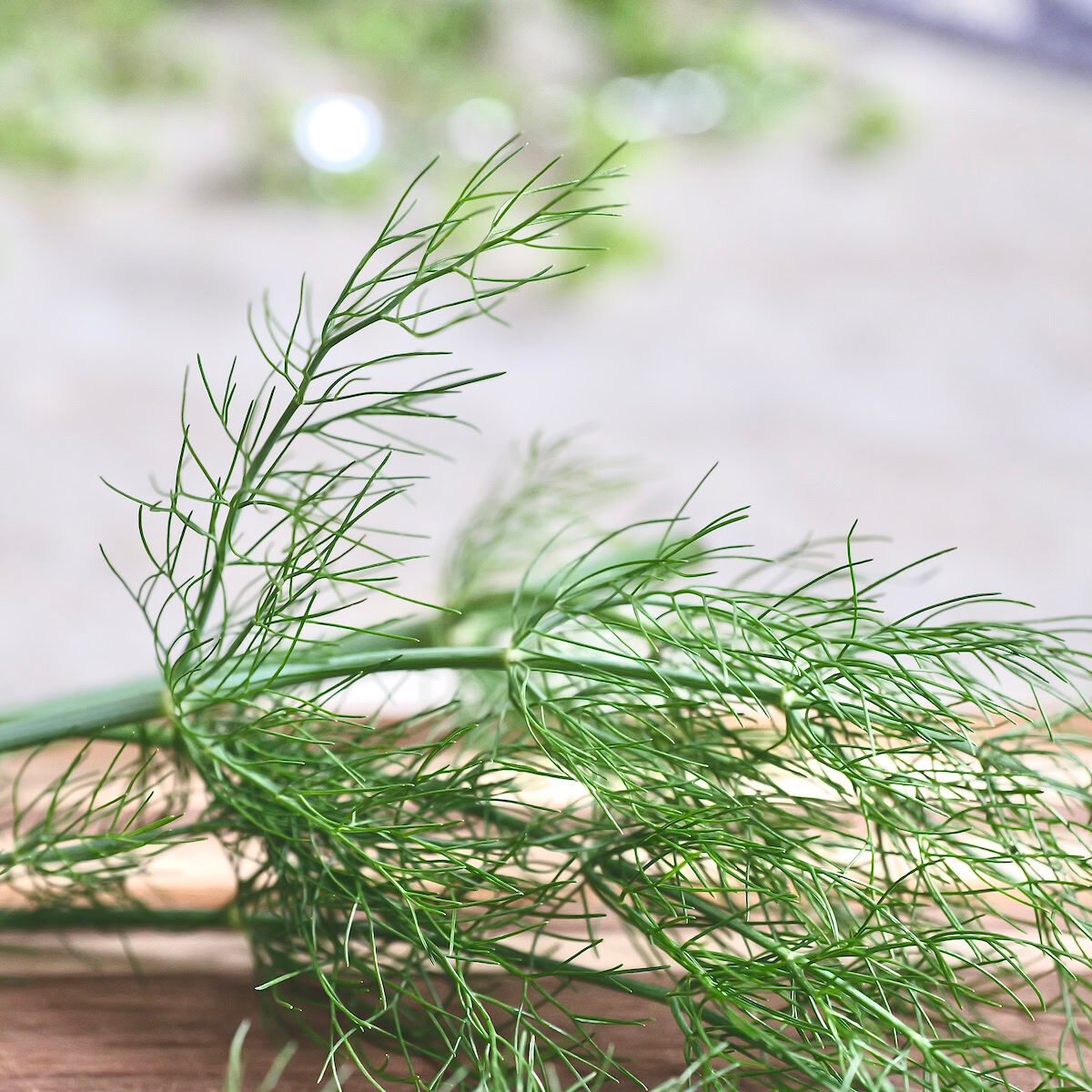
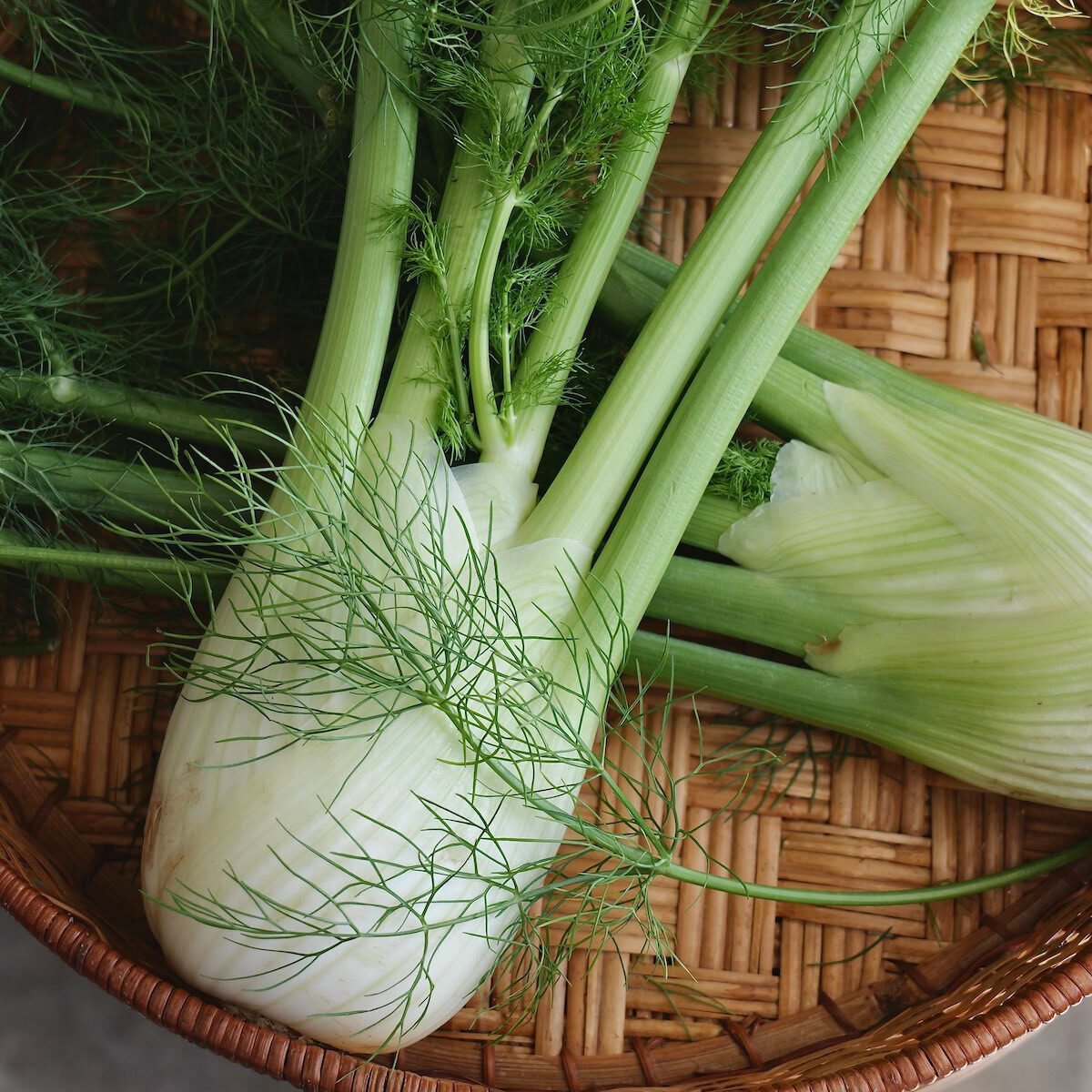
Fennel is a versatile herb, offering four culinary gems: an herb from its delicate fronds, a spice from its tiny fruits (fennel seed), a spice from its pollen (fennel pollen), and a seasoning vegetable from its white, pale green bulb.
PRODUCTION
Fennel is a fast-growing perennial herb that can produce for several years. But when cultivated for the bulb (usually the Florence fennel cultivar), it is grown as an annual vegetable crop. It is sown in the spring, and fronds can be harvested throughout the growing season, especially when young and tender. The fruits are harvested from the flower heads once they turn a greenish-brown color in the late summer to early autumn. Fennel pollen, collected from the blossoms, is best harvested in the late summer just before they begin to seed.
FLAVOR & AROMA
Fennel’s distinctive aroma combines the sweetness of anise with earthy and herbaceous notes. It's a refreshing, bright scent reminiscent of licorice and freshly baked bread, with undertones of citrus and pine. The flavor of fresh fennel fronds (try saying that five times fast) is sweet and mildly peppery with a gentle, warm bitterness.
CULINARY USES
With so many edible parts and its unique combination of sweet, earthy, herbal, and bitter notes, fennel is an herb of many faces, adapting to a vast range of culinary contexts. Its fronds, bulb, fruits, and pollen each offer a different texture and expression of the plant’s flavor. Click below to learn how to use the fronds and bulb.