Mint
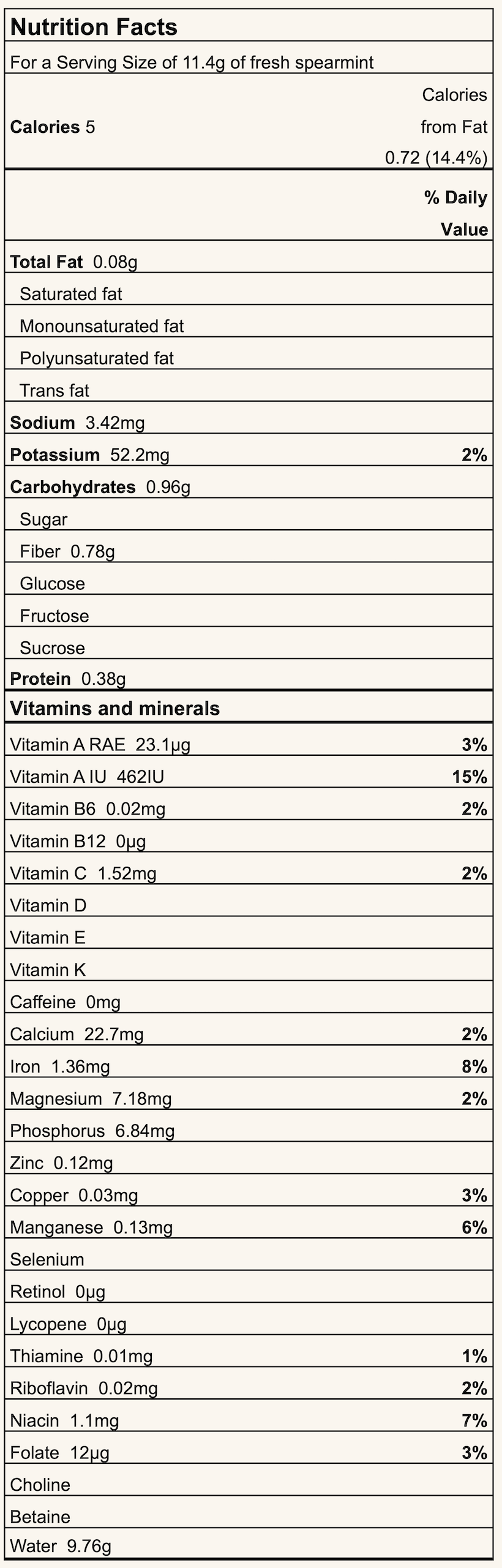
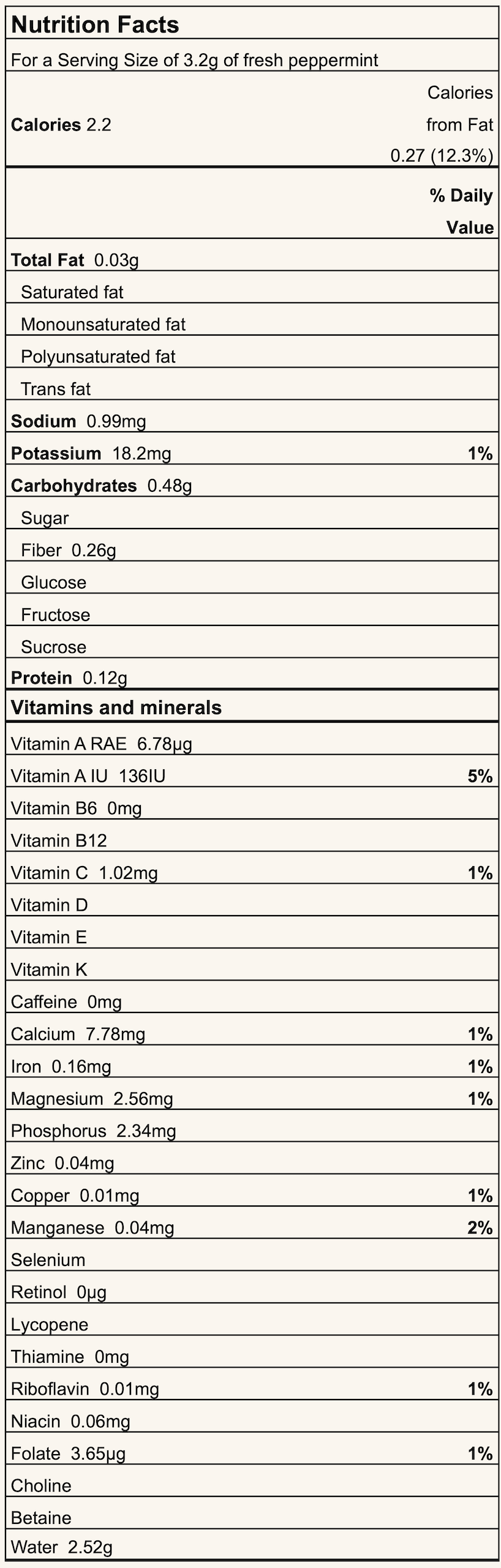
Mint is the herb derived from the leaves of various species in the genus Mentha, part of the Lamiaceae family. There are dozens of species and natural hybrids, but the two best-known culinary mints are spearmint (Mentha spicata) and peppermint (Mentha × piperita). However, when you hear the word "mint" in a culinary context, it almost always means spearmint because it's the natural choice for cooking.
REGION OF ORIGIN
Mint has a wide botanical origin rather than a single birthplace. The genus Mentha is native across much of the world, with species found in North America, Europe, Africa, Asia, Australia, and New Zealand. However, most culinary mints can be traced back to the Mediterranean.
PART & COLOR
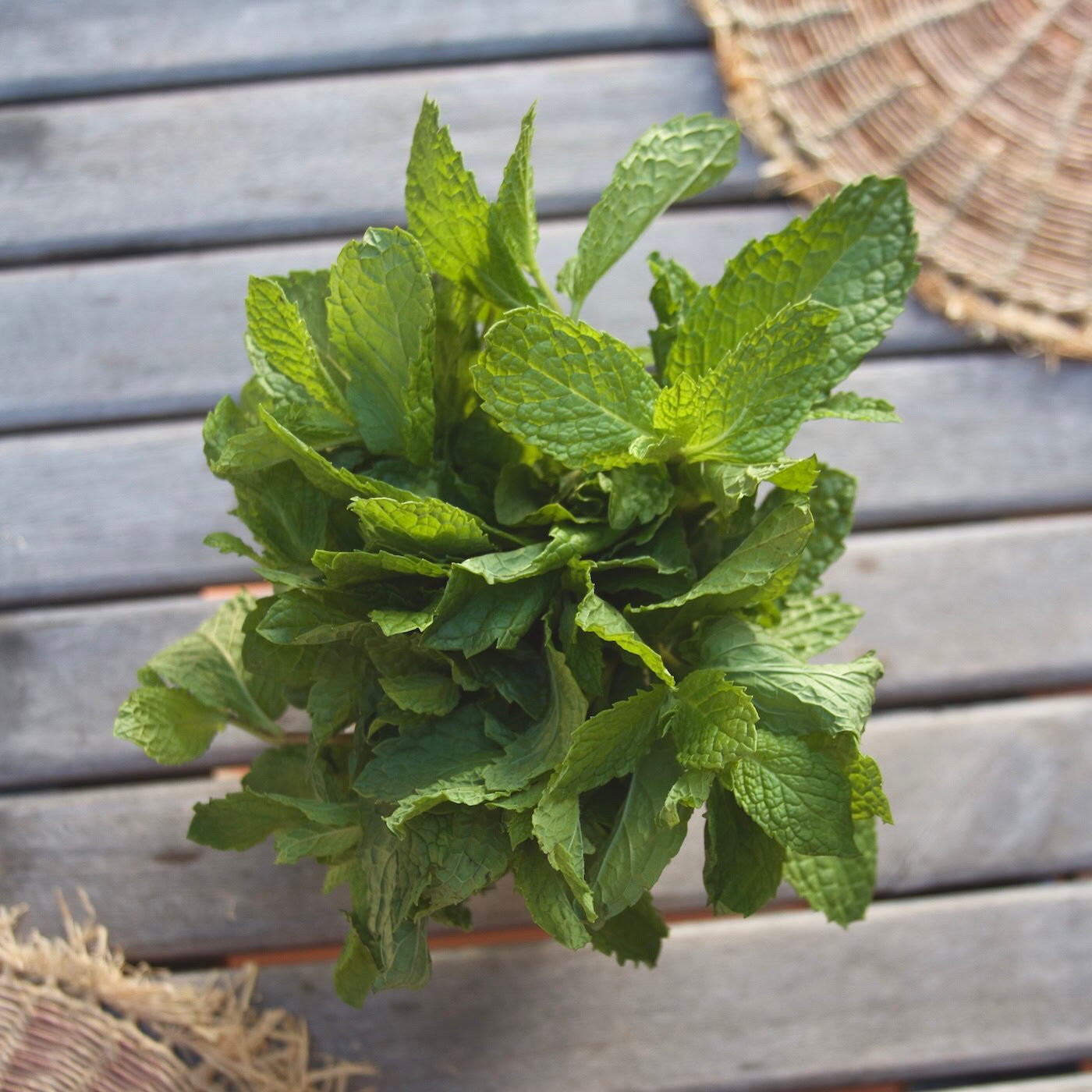
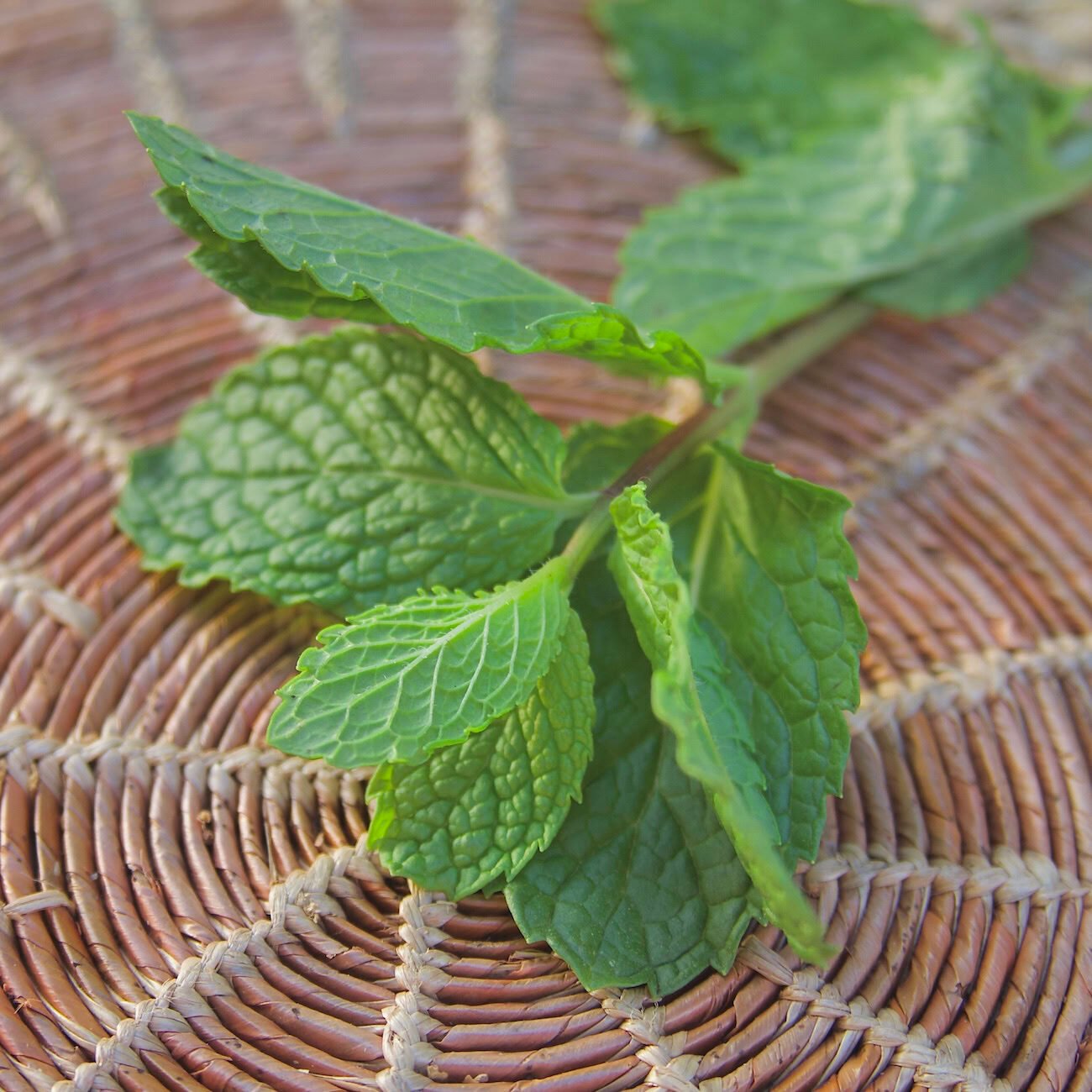
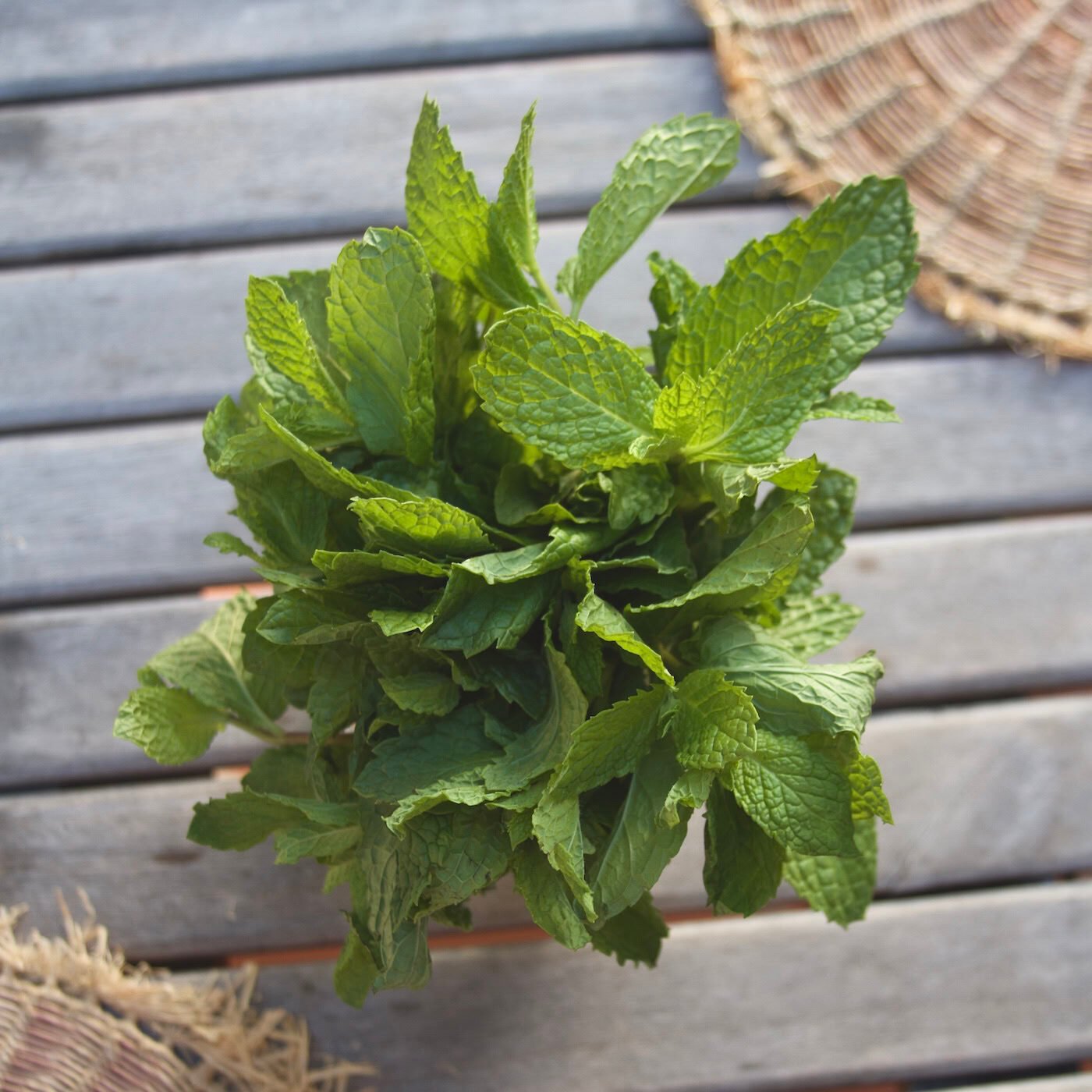
Mint leaves are oval- or lance-shaped with serrated edges, from fine and rounded to sharp and jagged. They range in color from deep green to purple to various beautifully variegated patterns. Many types have a slightly hairy surface.
PRODUCTION
Mint is a hardy herbaceous perennial that thrives in temperate climates, spreading quickly and generously. Its fragrant leaves can be harvested from spring through fall, as long as the plant is actively growing. For peak flavor, pick young, soft shoots before the plant begins to flower. Frequent harvesting is good for you and the plant. You get a steady supply of fresh mint to cook with, and the plant stays lush without becoming overgrown.
FLAVOR & AROMA
The crisp scent of mint is unmistakable. It evokes a sense of cleanliness, likely because it has freshened breath for thousands of years. Its primary note is so iconic that it is used to describe similar notes in other herbs and spices: they're "minty." So it sounds ridiculous to say mint smells minty, but that’s really what it is. Mintiness is the result of its chemical composition (see more below) that creates a refreshing feeling with pepper and eucalyptus notes.
On the tongue, mint delivers an initial burst of invigorating coolness followed by a lingering sweetness. The intensity of this effect varies depending on the variety. Spearmint (your typical culinary mint) is often mild and sweet with a light cooling effect, while peppermint is stronger and sharper with a much more intense cooling effect due to its higher menthol content (30-55% vs. <1%).
CULINARY USES
When you look past its classic role as a garnish, there are countless creative ways to leverage mint's unique cooling effects. One of the most obvious is to tame the heat of spicy dishes, but it also cuts through the heaviness of fatty foods.
Spearmint is often used in Mediterranean, Middle Eastern, and South Asian cuisine. It's a key ingredient in tabbouleh and tzatziki, and mint chutneys and sauces are superb dips for samosas and kebabs. Spearmint jelly pairs beautifully with roast lamb as well, and it's the mint of choice for refreshing drinks like mojitos, mint juleps, lemonades, and iced teas. One of the quickest and simplest ways to enjoy it is as a finishing touch for fruit salads. The bolder peppermint is mainly used in sweets like chocolatey desserts, candies, and ice cream, especially during the holidays. And its digestive benefits help explain the enduring popularity of the after-dinner mint.