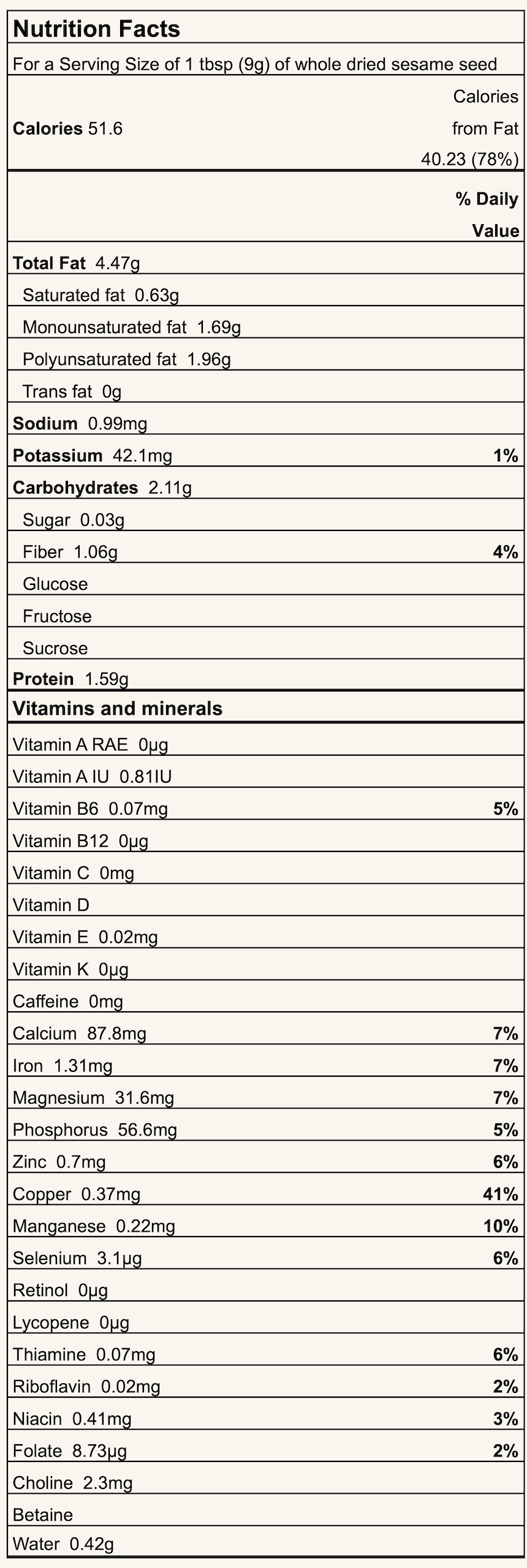
Sesame Seed
Sesame seed is the spice produced from the oilseeds of Sesamum indicum, an herbaceous annual in the Pedaliaceae family.
REGION OF ORIGIN
Sesame’s origin story is multi-layered. The wider Sesamum genus has strong roots in sub-Saharan Africa, but cultivated sesame, Sesamum indicum, was likely first domesticated in the Indian subcontinent from a local wild ancestor. Charred seeds from the Indus Valley show it was already an established crop more than 5,000 years ago.
PART & COLOR
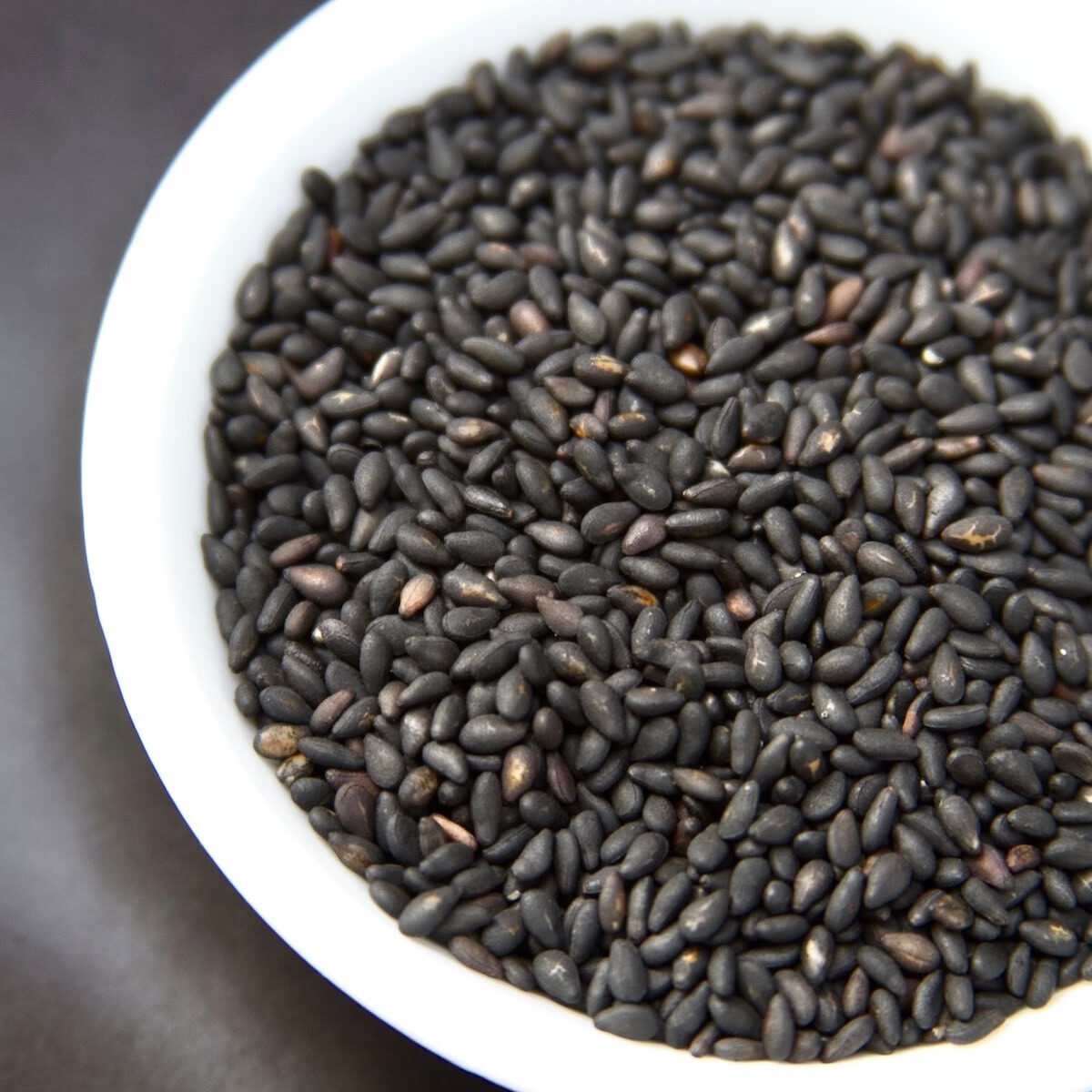
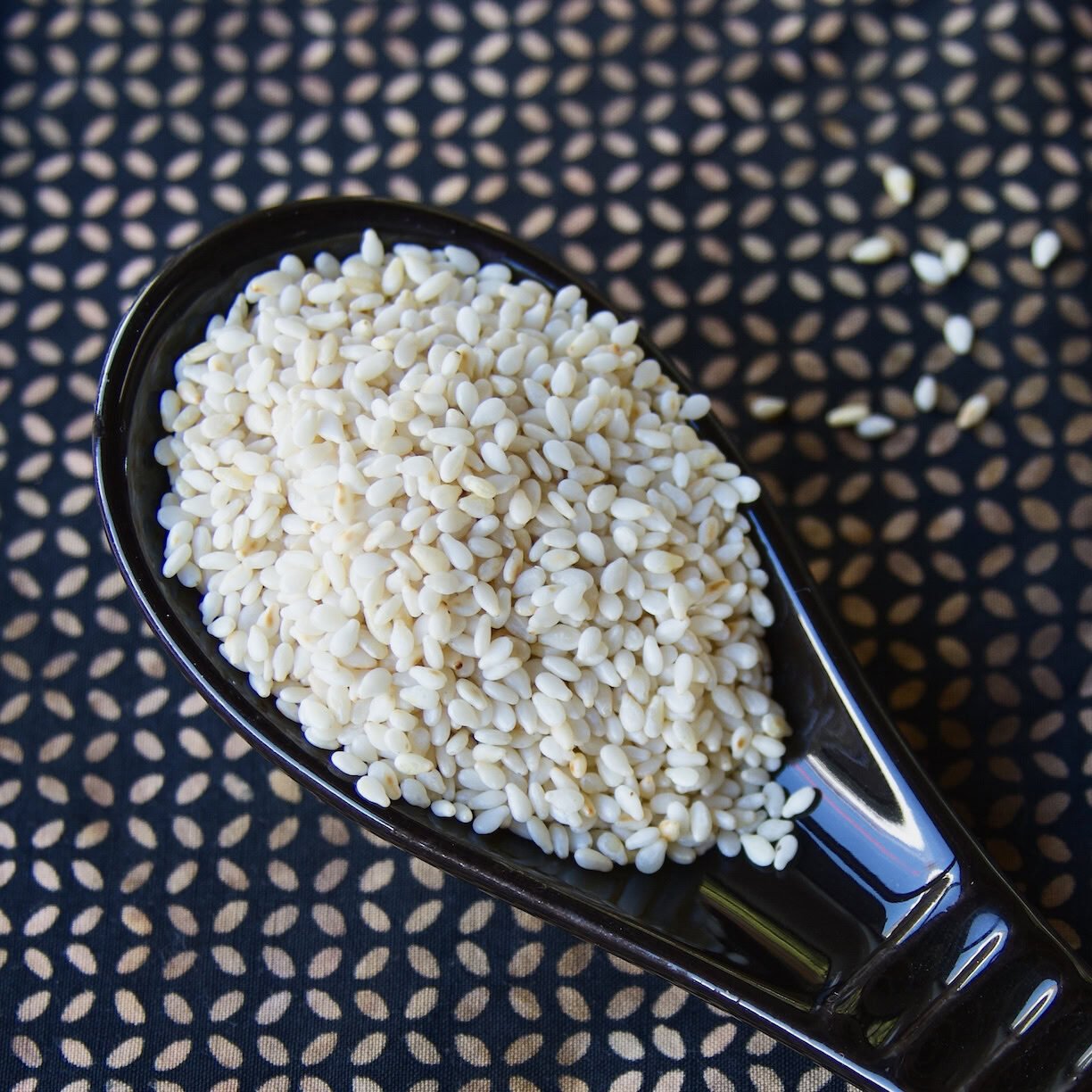
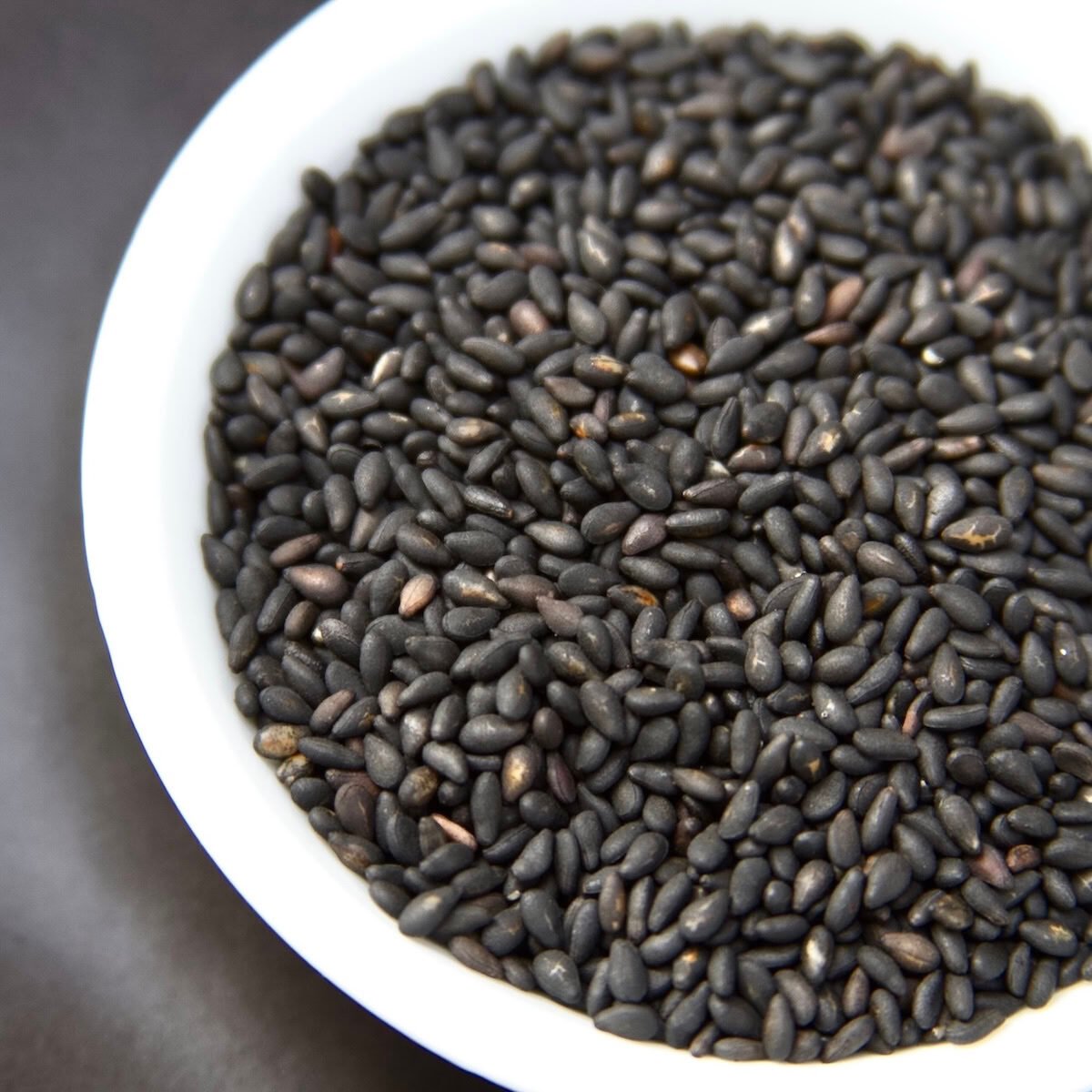
Depending on the variety and how they're processed, the small, drop-shaped seeds can come in a variety of colors. The most common are pale and creamy white, but they can also be yellow, red, brown, or black (below). The outer husk of the seed is often removed during processing, leaving the “hulled” white seeds that are so popular for cooking.
PRODUCTION
Sesame is planted in warm soil, often in the late spring. After about 4-6 weeks, it starts flowering and forming seed pods. They are ready for harvest in the early autumn when they turn yellowish brown, but they must be cut before they fully dry, split open, and scatter the seeds.
FLAVOR & AROMA
Sesame seeds have a soft aroma akin to toasted almonds or hazelnuts with earthy base notes underneath. They're mildly nutty and buttery on the palate.
Toasting sesame seeds gives them much more depth. It makes them much nuttier and brings out a rich, smoky, savory quality. They also offer a light crunch, a welcome textural contrast to your other ingredients.
Tahini is another time-honored way to experience the spice. It’s a smooth paste made by grinding hulled sesame seeds, usually lightly toasted. Its creamy consistency heightens the perception of their richness and subtle bitterness.
CULINARY USES
The versatility of sesame seeds is on display in Asian cooking. They’re sprinkled over sushi, meats, noodles, and rice. In Japan, they're a common element in two of the most essential seasoning blends: furikake and shichimi togarashi.
Sesame oil is widely popular throughout China, Korea, Japan, and Southeast Asia. It’s often added to sauces and dressings or used as a finishing oil for stir-fries.
In the Middle East, tahini is key to many types of hummus, baba ghanoush, and halva. Sesame seeds also weave through European breads, pastries, and salads, and no one can deny their efficacy on an American burger bun.