Sage
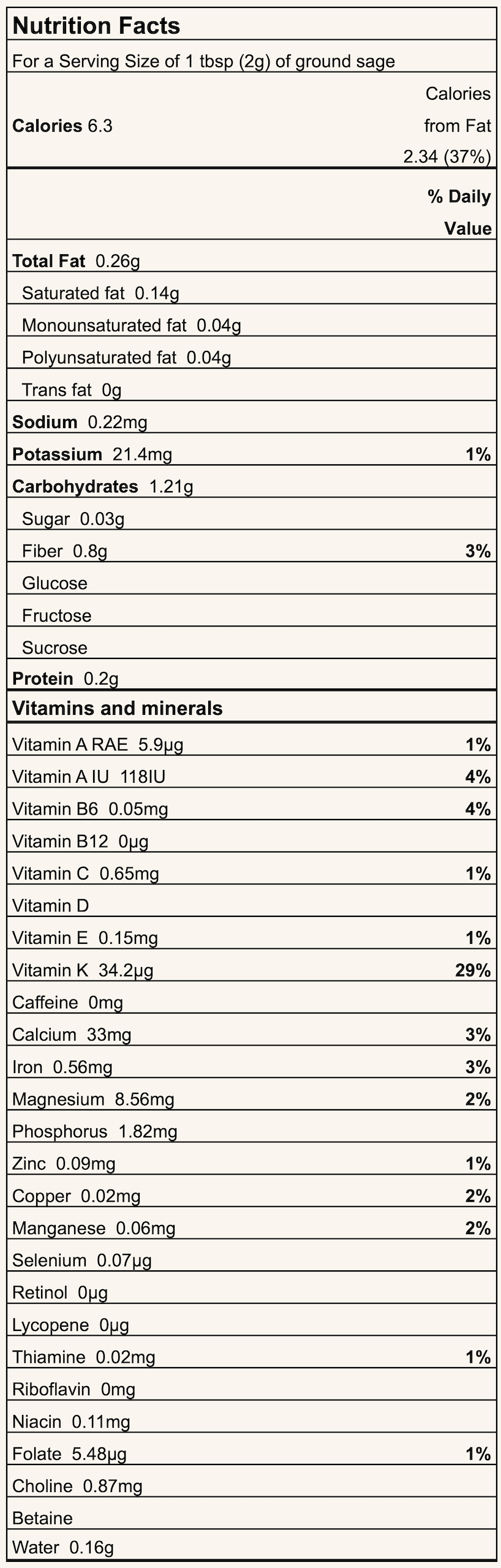
Sage is the herb derived from the leaves of various species in the genus Salvia, the largest genus in the mint family with nearly 1,000 species. However, only a few are widely used in cooking. The most prominent is common garden sage (S. officinalis), with dozens of named cultivars. The other main ones are Greek sage (S. fruticosa), Spanish sage (S. lavandulifolia), and Cretan sage (S. pomifera).
REGION OF ORIGIN
The main culinary sage species are rooted in southern Europe and the Mediterranean. The majority of species, however, including white, black, and pineapple sage, originated across the Americas.
PART & COLOR
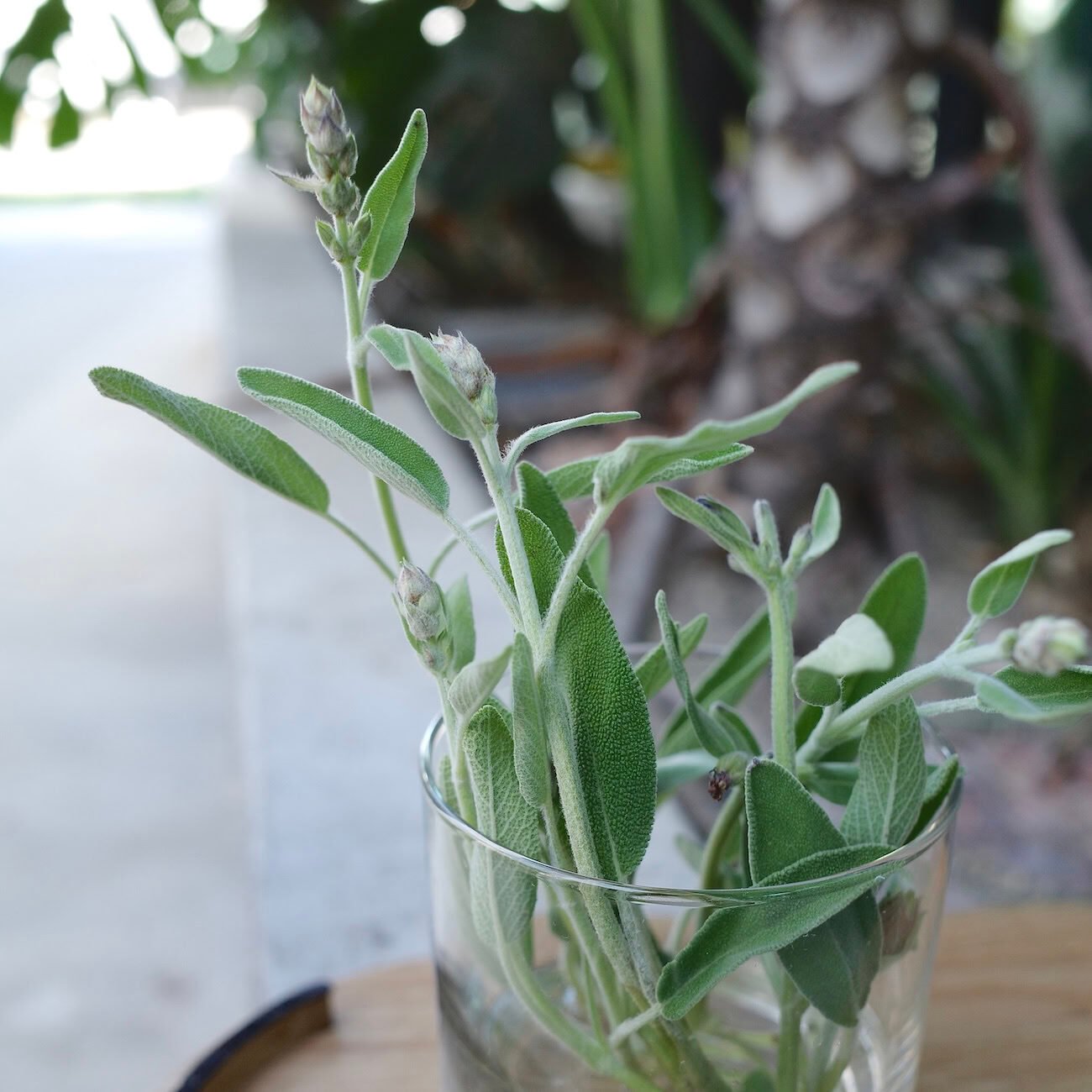
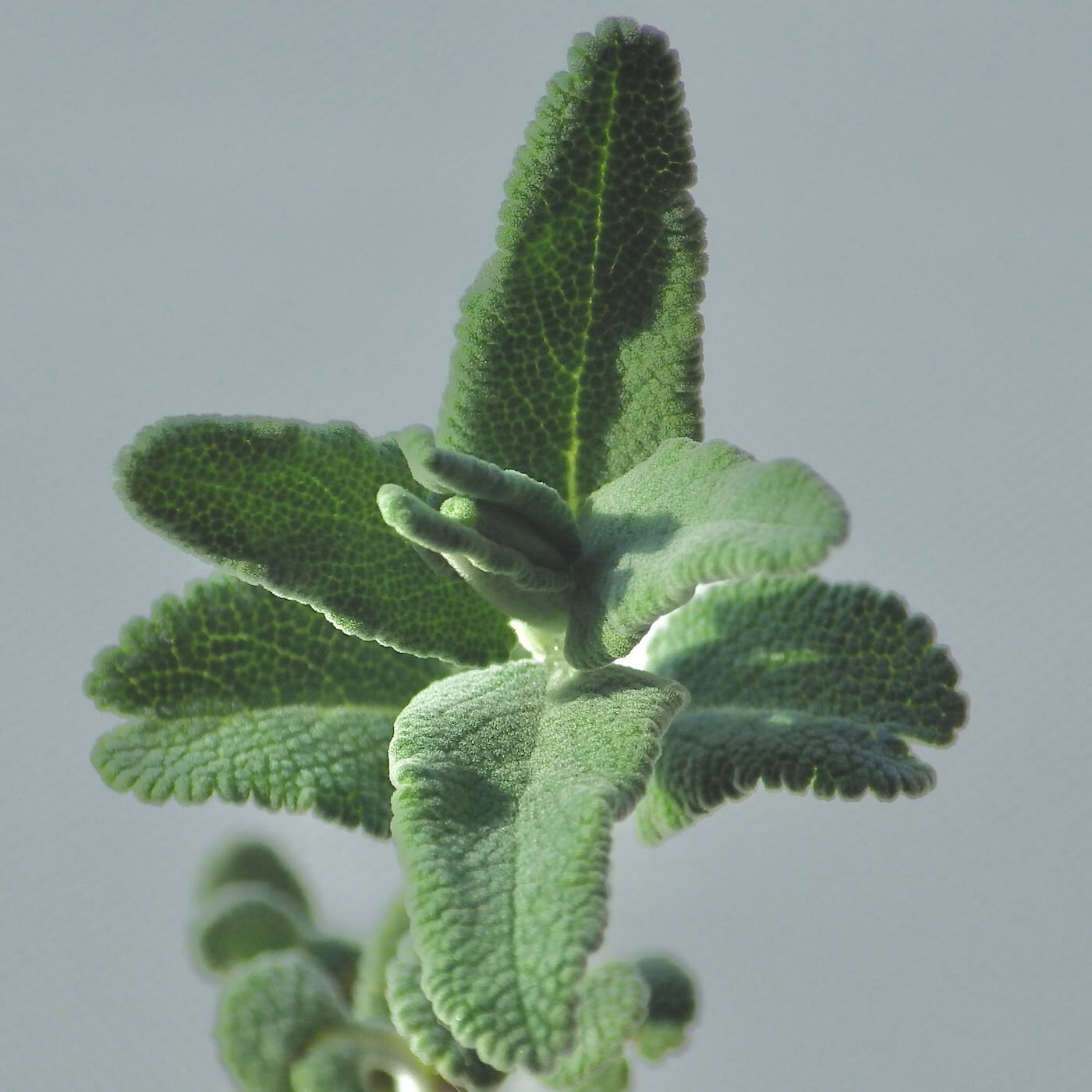
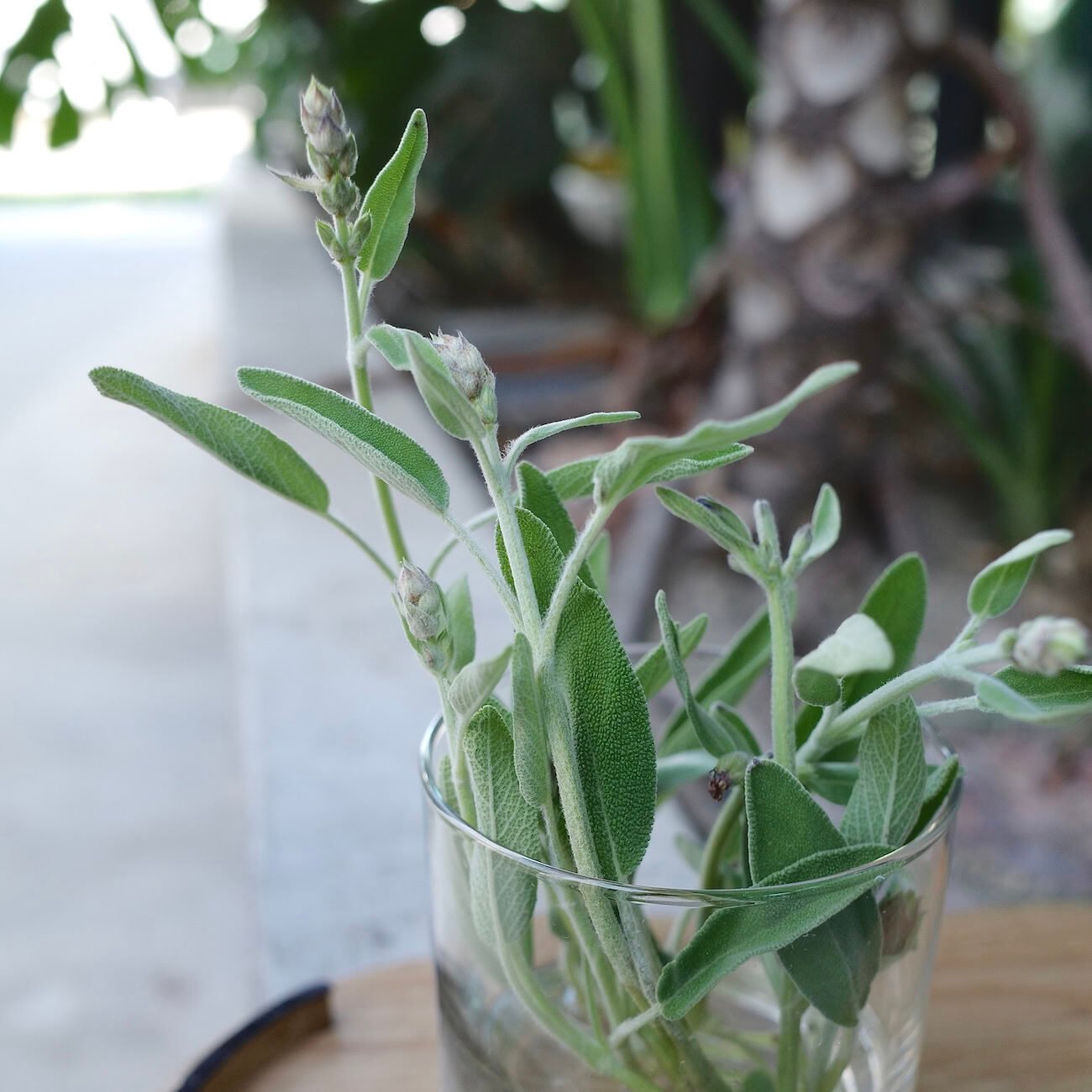
Sage leaves are elongated and lance-shaped with a velvety, slightly hairy texture. Their silvery grey-green hue is so iconic that there's even a color named after it, "sage green." The stems are more woody than herbaceous and can range from pale green to a purplish hue.
PRODUCTION
Sage is a robust perennial subshrub that can be harvested multiple times throughout each growing season for several years. The leaves are most flavorful in late spring or early summer before the plant starts flowering. Harvest by hand, snipping young leafy stems and avoiding hard cuts into old woody growth. Only take a few stems at a time, especially in its first year. You can also dry a portion of your sage to ensure a year-round supply. Simply bundle the stems together and hang them upside down in a well-ventilated area.
FLAVOR & AROMA
CULINARY USES
Sage has a serious affinity for rich meats like pork, lamb, and duck, but it also complements hearty root vegetables and bean dishes. Fresh leaves brighten salads and cocktails, and they pair beautifully with compound butters, allowing you to create a simple yet luxurious pasta sauce for ravioli or gnocchi.
Sage is key to stuffing, where it uplifts the comforting taste of bread, onions, and various spices. You can also lightly fry fresh sage for a crispy garnish that contrasts nicely with creamy dishes. Dried sage can slowly release its depth into soups, and just a sprinkle can make a simple sausage magnificent.