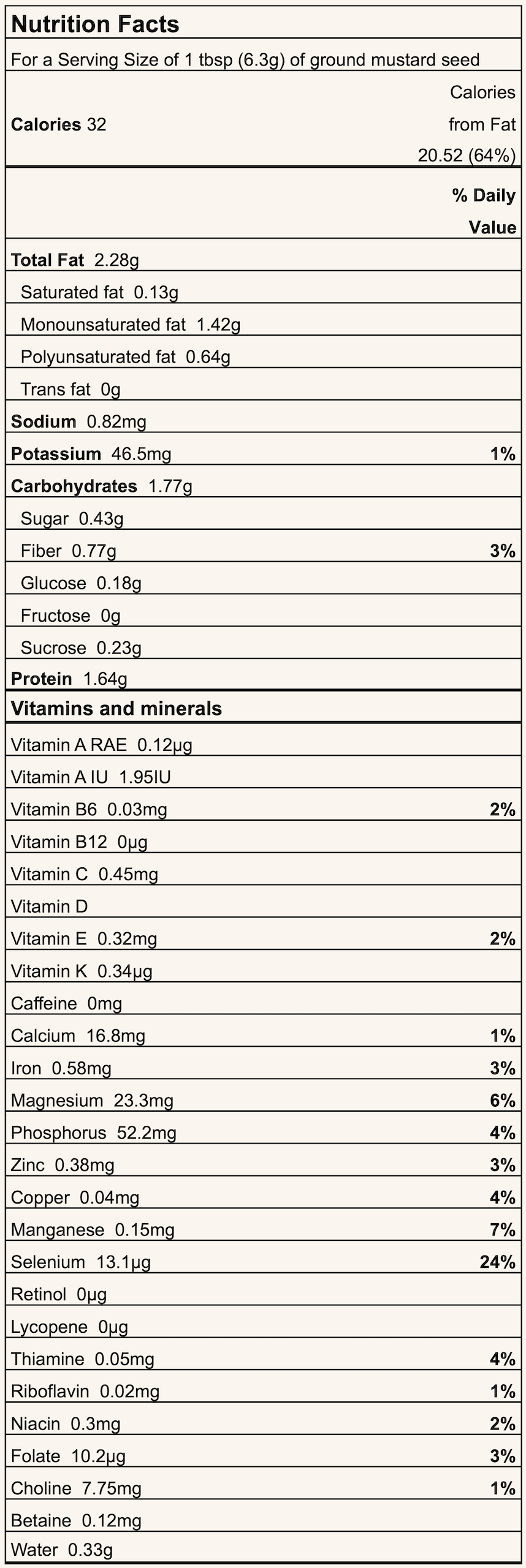
Mustard Seed
Mustard seed is the spice produced from the seeds of three mustard plants in the Brassicaceae family: Yellow (Sinapis alba), Brown (Brassica juncea), and Black (Brassica nigra)
REGION OF ORIGIN
Yellow mustard is native mainly to the Mediterranean and parts of the Middle East. Black mustard's origin is less certain, but broadly similar. Brown mustard is especially disputed, but recent genetic evidence favors a Turkish/ Iranian starting point, followed by eastward spread to Central and South Asia.
PART & COLOR
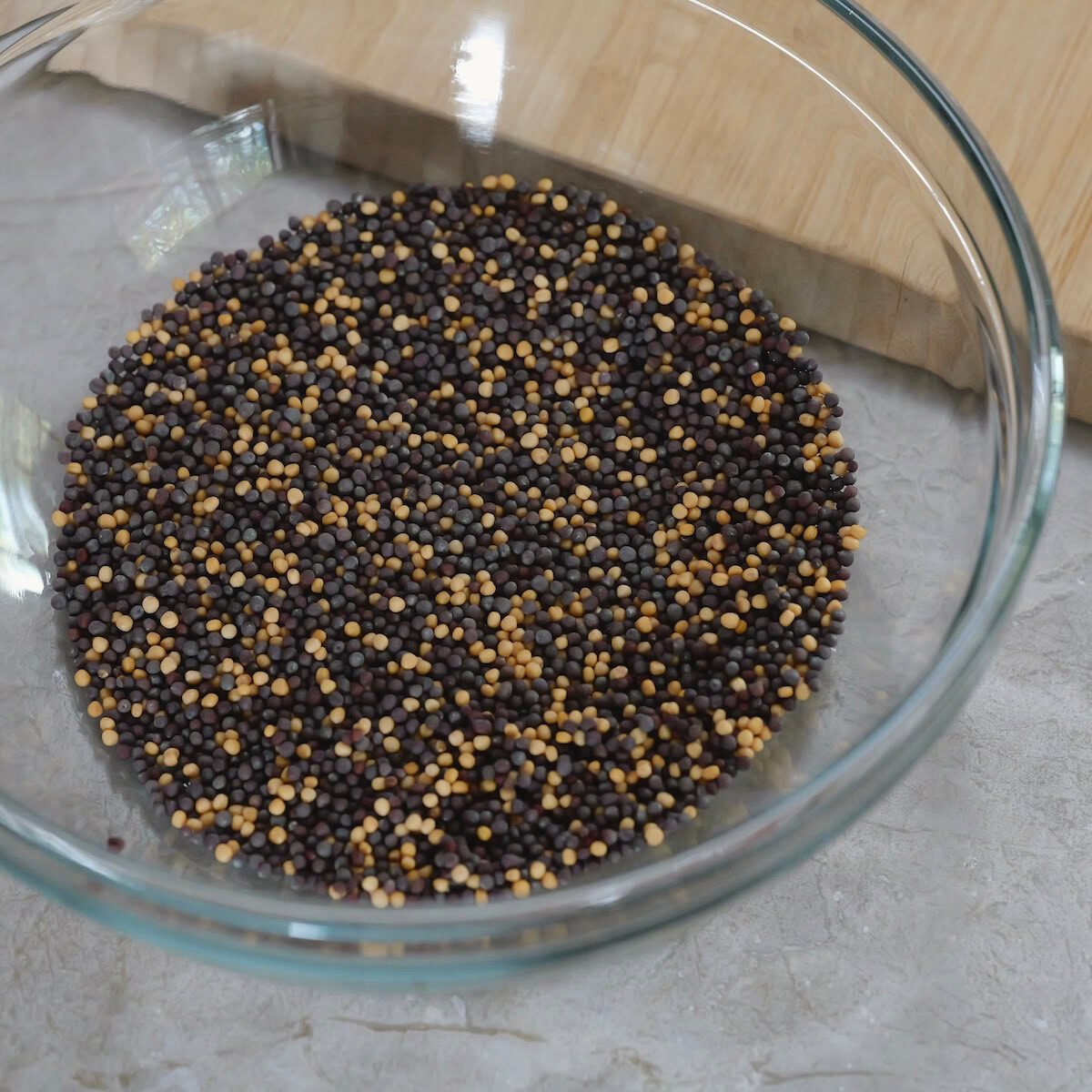
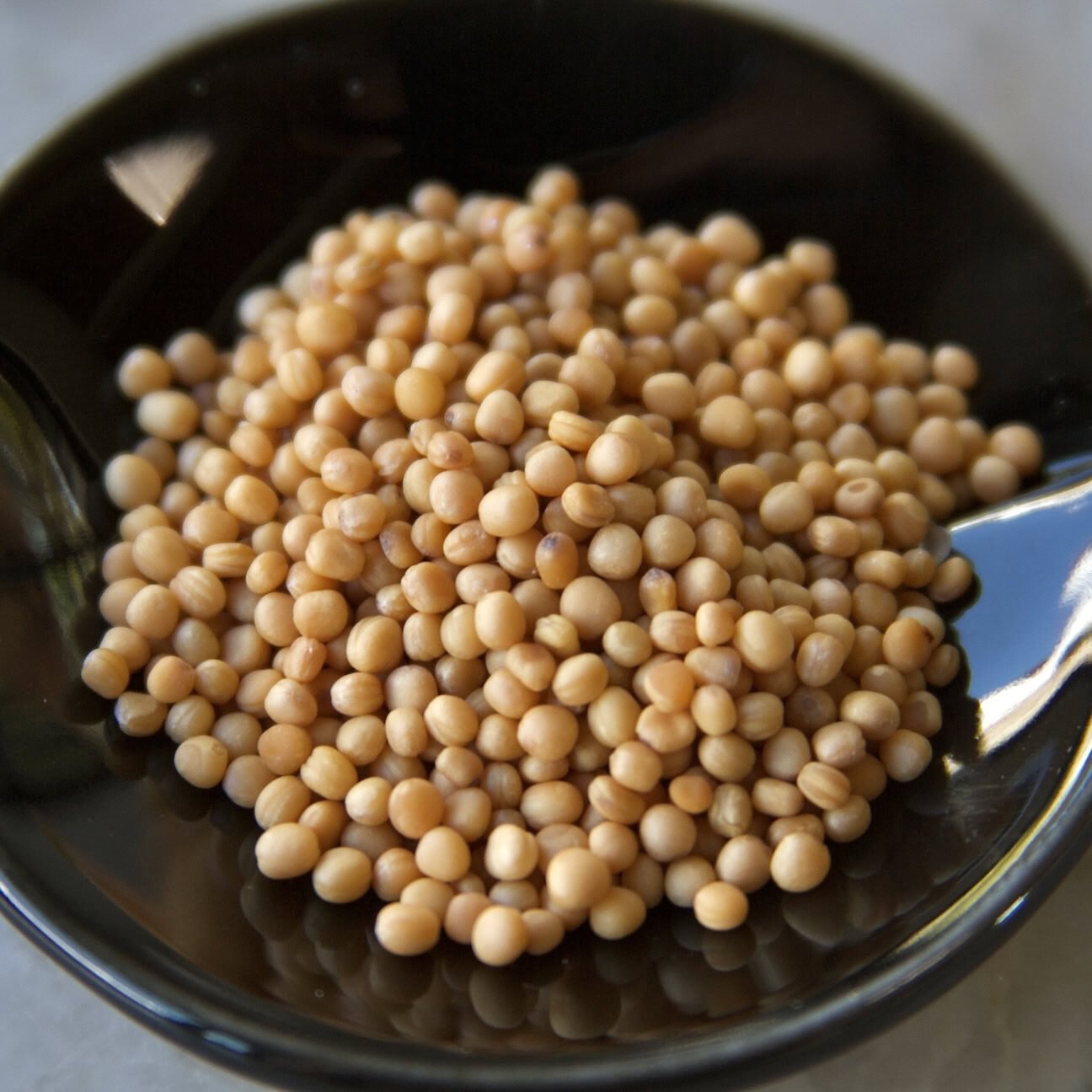
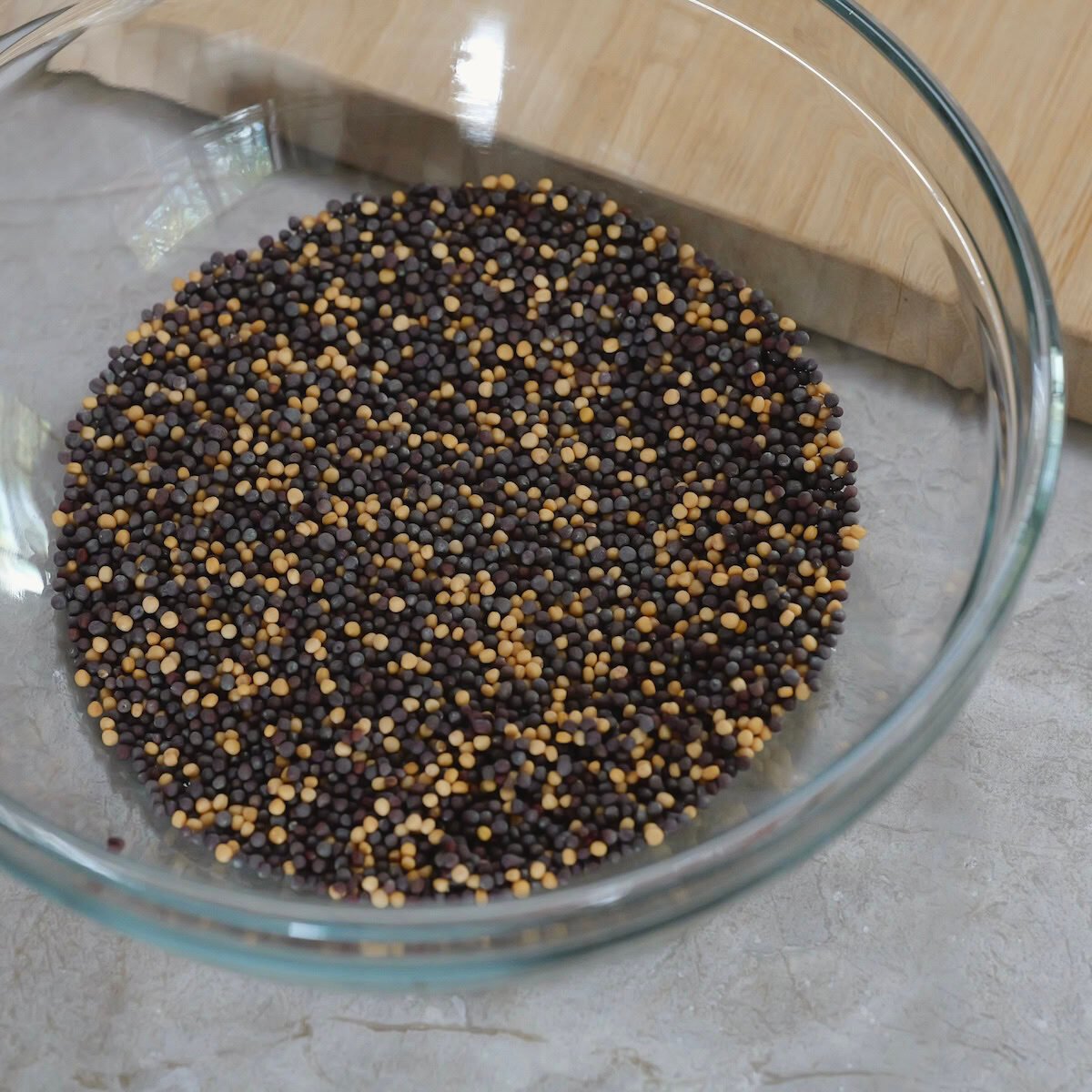
Yellow mustard seeds are pale yellow, smooth, and spherical. Brown mustard seeds are rougher, smaller, and more multi-colored. They range from dark brown, red, and grey to almost black. Black mustard seeds are the smallest and darkest of the three. The color of the seeds aligns with their heat: black is the most potent, then brown, then yellow.
PRODUCTION
Mustard plants are annual herbs that are usually sown in the spring and harvested from late summer to early autumn. Timing is paramount. Growers watch seed color and moisture closely because overripe pods can shatter and spill the crop before harvest. After cutting, the seeds are dried, cleaned, and graded before being sold whole, cracked, or ground.
FLAVOR & AROMA
Mustard seeds are pungent and spicy with earthy, nutty notes. Their intensity varies by variety from mild (yellow) to extremely sharp (black). Yellow mustard seeds have a gentle, slightly sweet aroma with faint notes of fresh hay. Their flavor has a tangy heat that is balanced by a subtle bittersweetness.
Brown mustard seeds are bolder and warmer, their heat more robust and peppery with a clear note of horseradish.
Black seeds are the most fiery and assertive, almost reminiscent of wasabi with a touch of garlic. Used judiciously, though, they can reveal a lot of hidden complexity in a dish.
CULINARY USES
Yellow mustard seeds are often infused into salad dressings and pickling brines. They create the classic American mustard, while brown seeds are used for Dijon mustard.
In Indian cooking, brown mustard seeds are often tempered in hot oil or butter to release their full aromatic potential into dals, curries, and vegetables. Across Asia, brown mustard seeds are used to season stir-fries, noodles, and meats.
The intense pungency of black mustard seeds makes them well-suited for strong flavors like lamb, beef, and hearty root vegetables. Their sharp bite mellows when toasted.