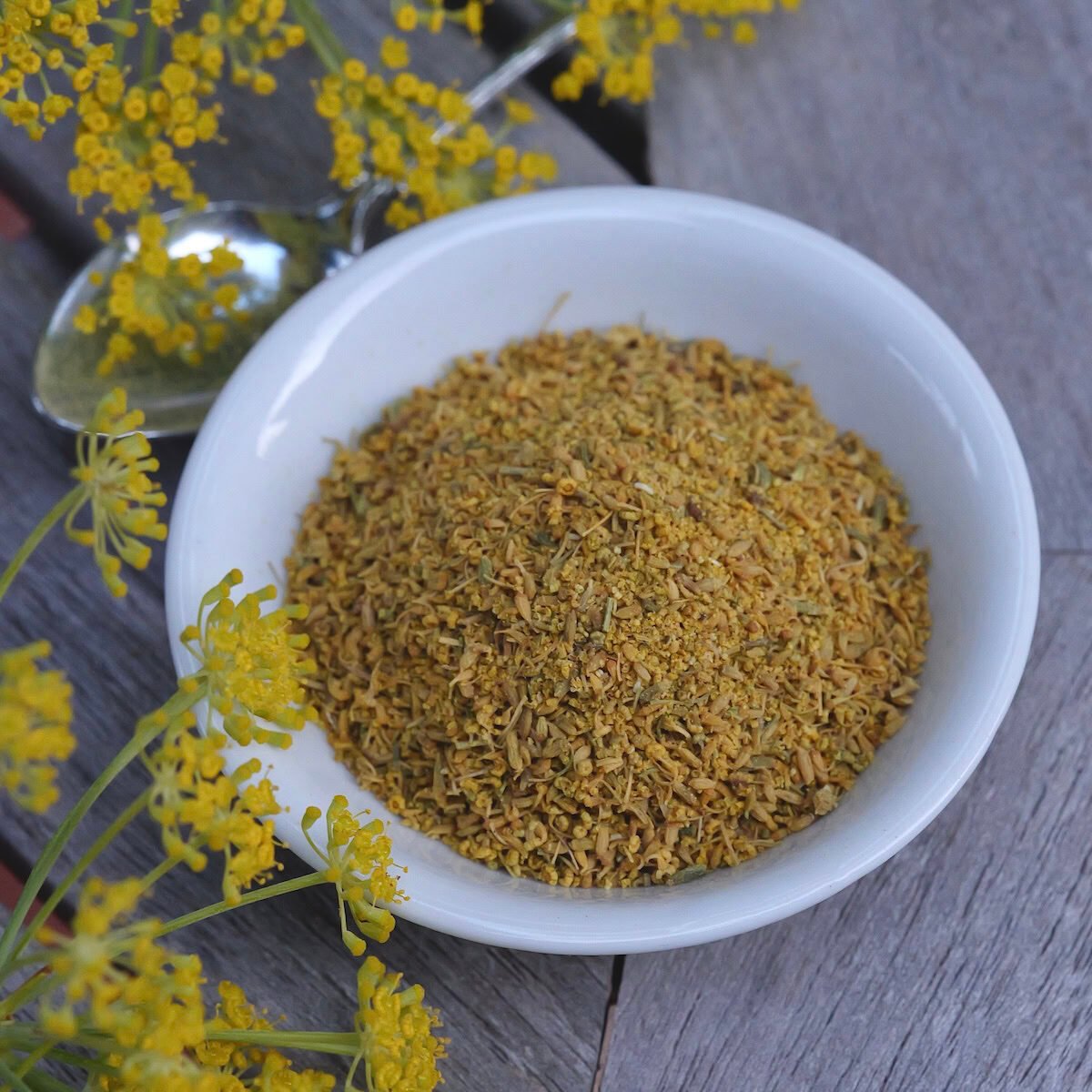
Fennel Pollen
Fennel pollen is the spice produced from the blossoms and attached pollen of the fennel plant (Foeniculum vulgare), a perennial herb in the parsley family.
REGION OF ORIGIN
The fennel plant originated in the Mediterranean basin, but fennel pollen as a distinct spice originated in Tuscany, Italy, where its cultivation and use began centuries ago.
PART & COLOR
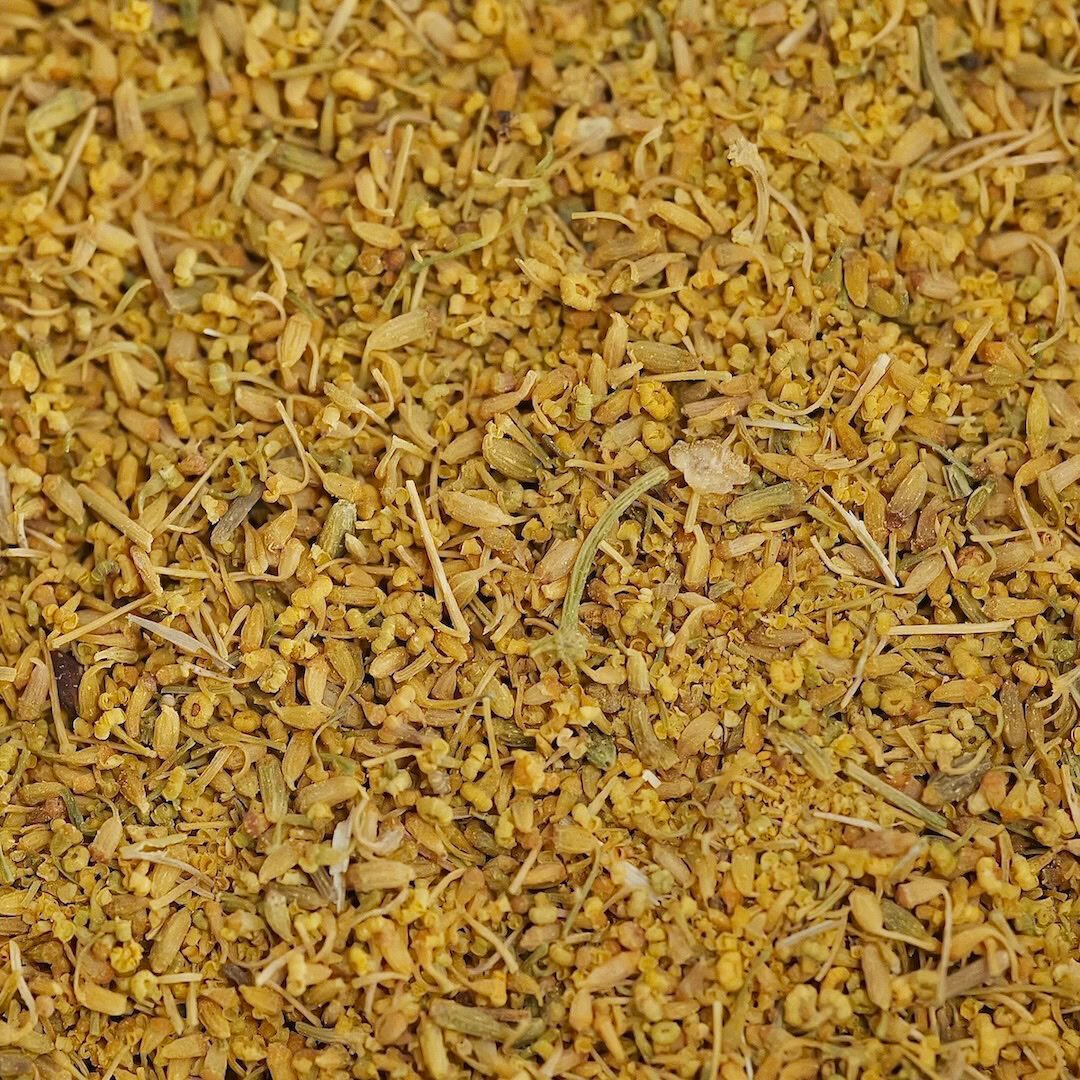
Since the final product includes both fine pollen and tiny fragments of dried fennel blossoms, the spice has a slightly coarse texture and ranges in color from bright yellow to muted golden hues, depending on the variety and maturity of the flowers at harvest.
PRODUCTION
Fennel is a fast-growing perennial that flowers in the second year and can produce flowers and pollen multiple times over several years. It is planted in the spring, and the pollen is harvested in the late summer when the flowers are in full bloom, right before they start to seed. The blossoms are collected by hand, then sifted with a fine mesh sieve. The pollen is then gently dried to preserve its color and flavor. Thousands of flowers are needed to make a decent quantity, which is why it's one of the most expensive spices.
FLAVOR & AROMA
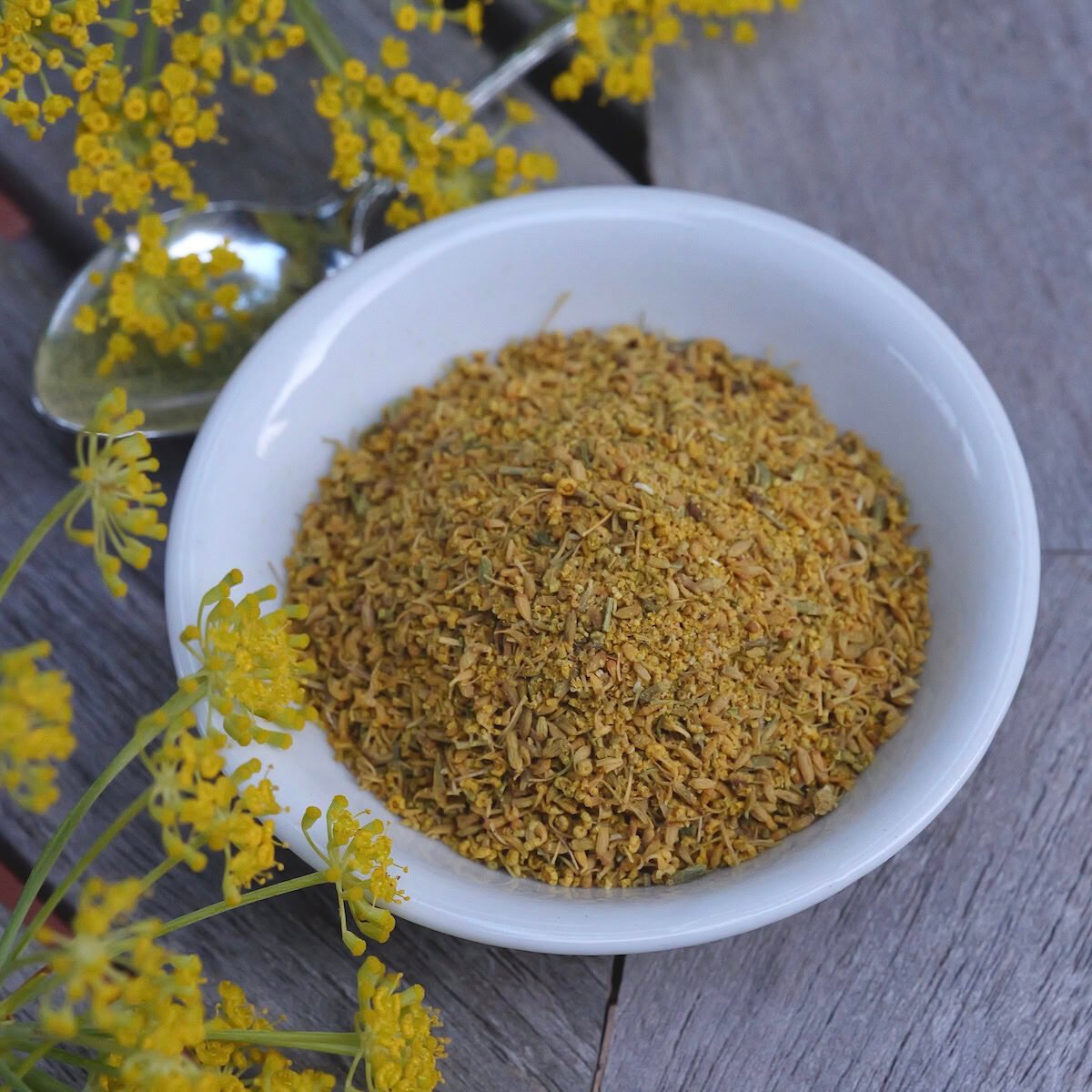
Fennel pollen imparts a bright, citrusy, floral, buttery, and anise flavor with a heady aroma that blends sweet, herbal, and honey notes. It explodes on the palate, delivering an intense burst of sweetness that gives way to warmth. Honey and citrus notes sit on the tongue for a while, inviting another bite. The flavor is even stronger than that of fennel seed, yet, almost paradoxically, more delicate.
Its rarity and labor-intensive harvesting process make fennel pollen a luxurious and sought-after ingredient, but its ability to elevate any dish is well worth the investment.
CULINARY USES
Fennel pollen has earned some rather distinguished nicknames. It's called the "spice of angels" and "culinary fairy dust" due to a seemingly magical ability to amplify sweet or savory flavors alike. It's a finishing spice. A light dusting on a ready-to-serve plate can make a good dish outstanding.
This spice is prized as an addition to grilled fish, pork, roasted vegetables, and desserts like panna cotta, ice cream, apple pie, and citrus tarts. It pairs beautifully with creamy cheeses like burrata and with fruit salads, especially when featuring stone fruits like peaches and plums.