

How to Use Fennel Pollen
The Spice of Angels
Sweet · Floral · Licorice-like · Herbaceous
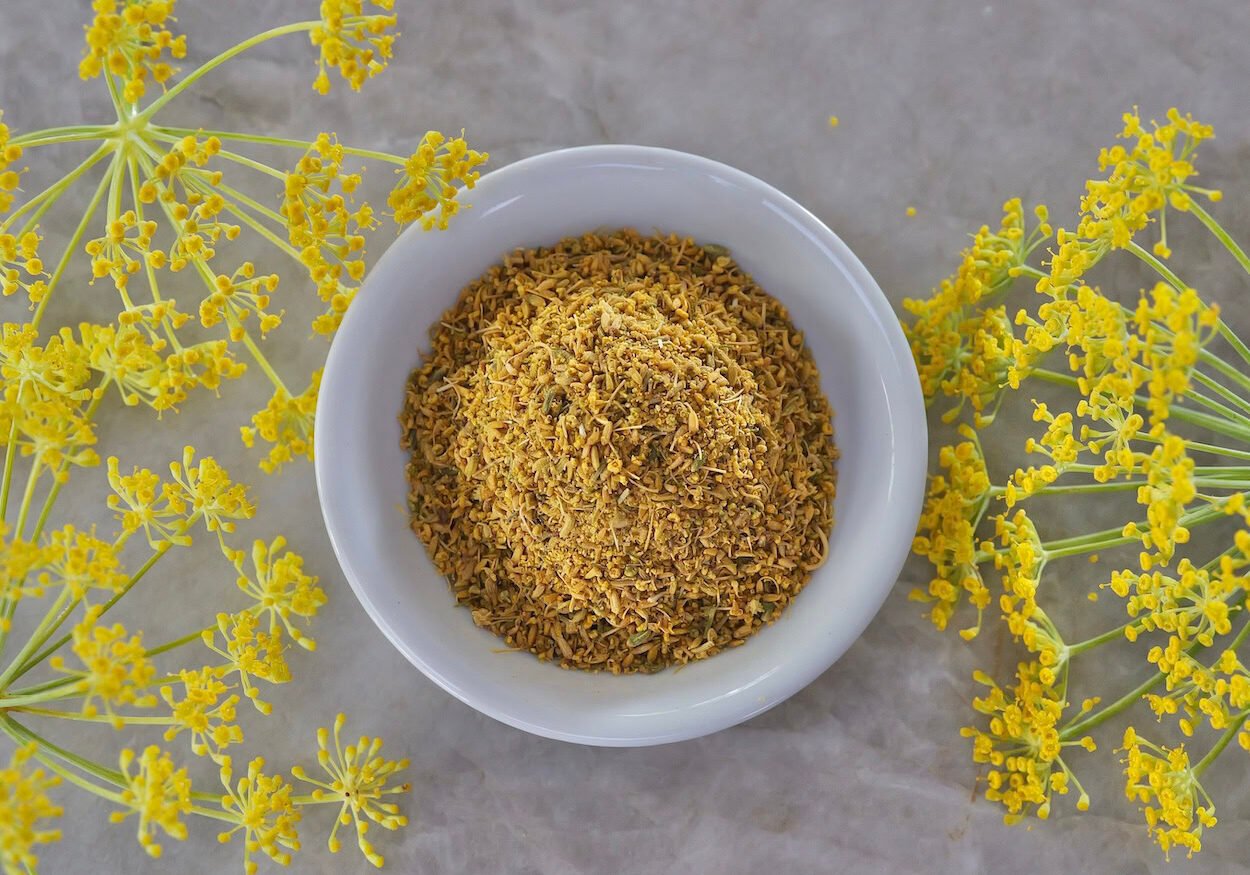
Fennel pollen captures the soul of the fennel plant in a single golden pinch. A finishing spice par excellence, it effortlessly elevates pork, seafood, vegetables, and even desserts. Use it sparingly to savor it completely.
FORMS
- Like dill pollen, fennel pollen only exists in one form: powdery pollen mixed with tiny fragments of dried blossoms and stems. Because it’s so aromatic, it can (and should) be used sparingly. Even a small pinch creates a lingering, complex finish. Like saffron, its potency makes its price tag totally worth it, since you can get a lot of use out of it.
STORAGE
- Fennel pollen is very delicate and deserves careful handling. Store it in a sealed container in a cool, dry, dark place. For peak flavor, buy in small amounts and use within six months. Avoid refrigeration or freezing, as condensation can damage its fine texture and degrade its aroma. Once it clumps from moisture, there's nothing you can do, as reheating destroys it.
PREPARATION
- With its shimmering hue and divine flavor, fennel pollen is the most prized part of the fennel plant. Its aroma is immediately noticeable even before the first bite. But because heat mutes its aroma, fennel pollen is never toasted or cooked. It is only a finishing spice. This is quite convenient since you don't have to do anything but open the tin, pinch, and sprinkle.
COOKING
- Fennel pollen excels on fresh, bright dishes such as salads and steamed white fish. Its floral sweetness pairs beautifully with crisp, green ingredients, but meats welcome it as well. In baking, a pinch lends sophistication to biscotti, shortbreads, or citrus cakes. All Mediterranean flavors are fair game: olive oil, garlic, citrus, and fresh herbs.
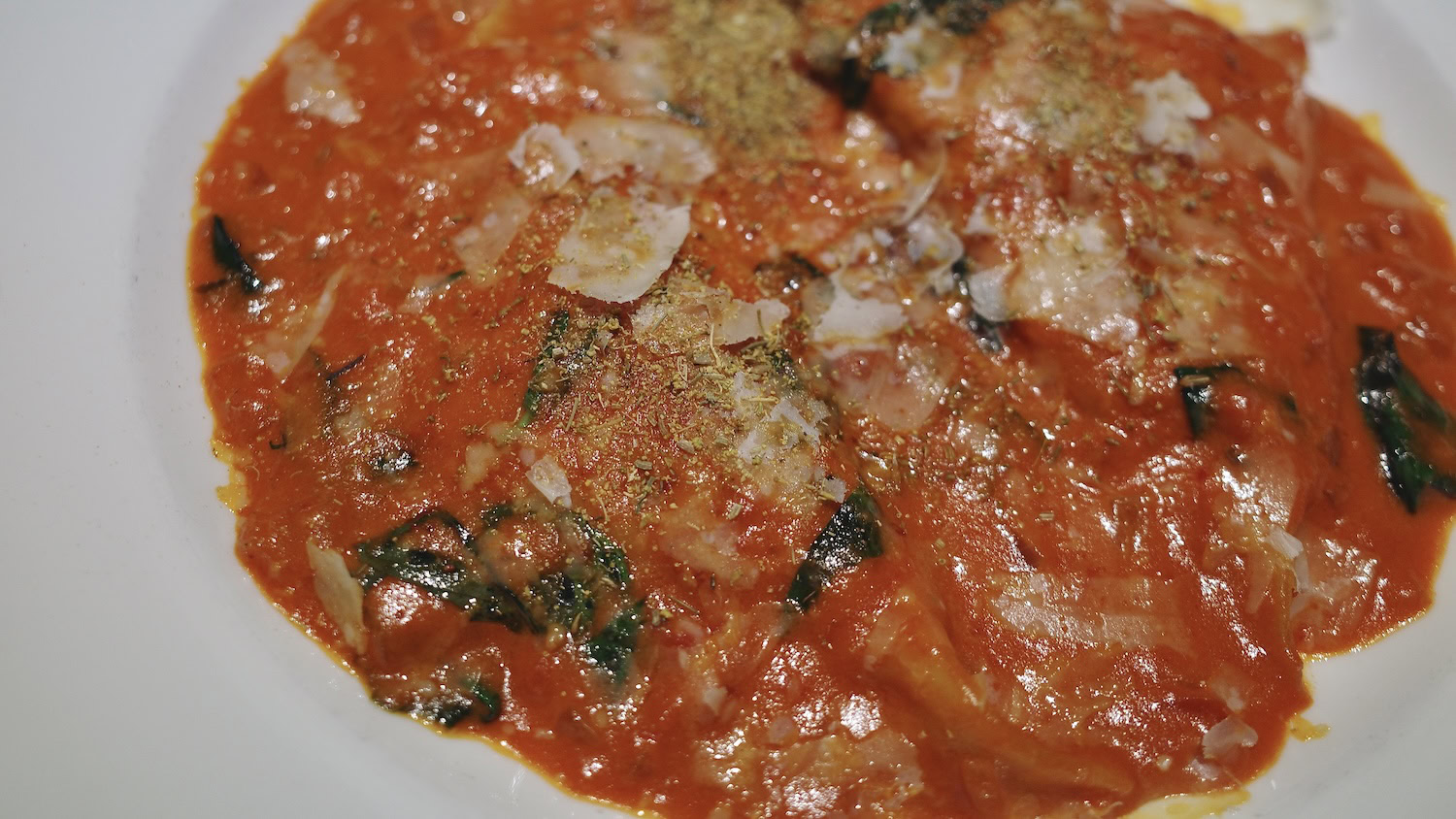
Fennel pollen topping Italian sausage ravioli. Fennel pollen is the rarest part of the fennel plant and the most concentrated. A pinch carries the anise and honey of the whole flowering head, and on a dish like this, it's hard to beat.