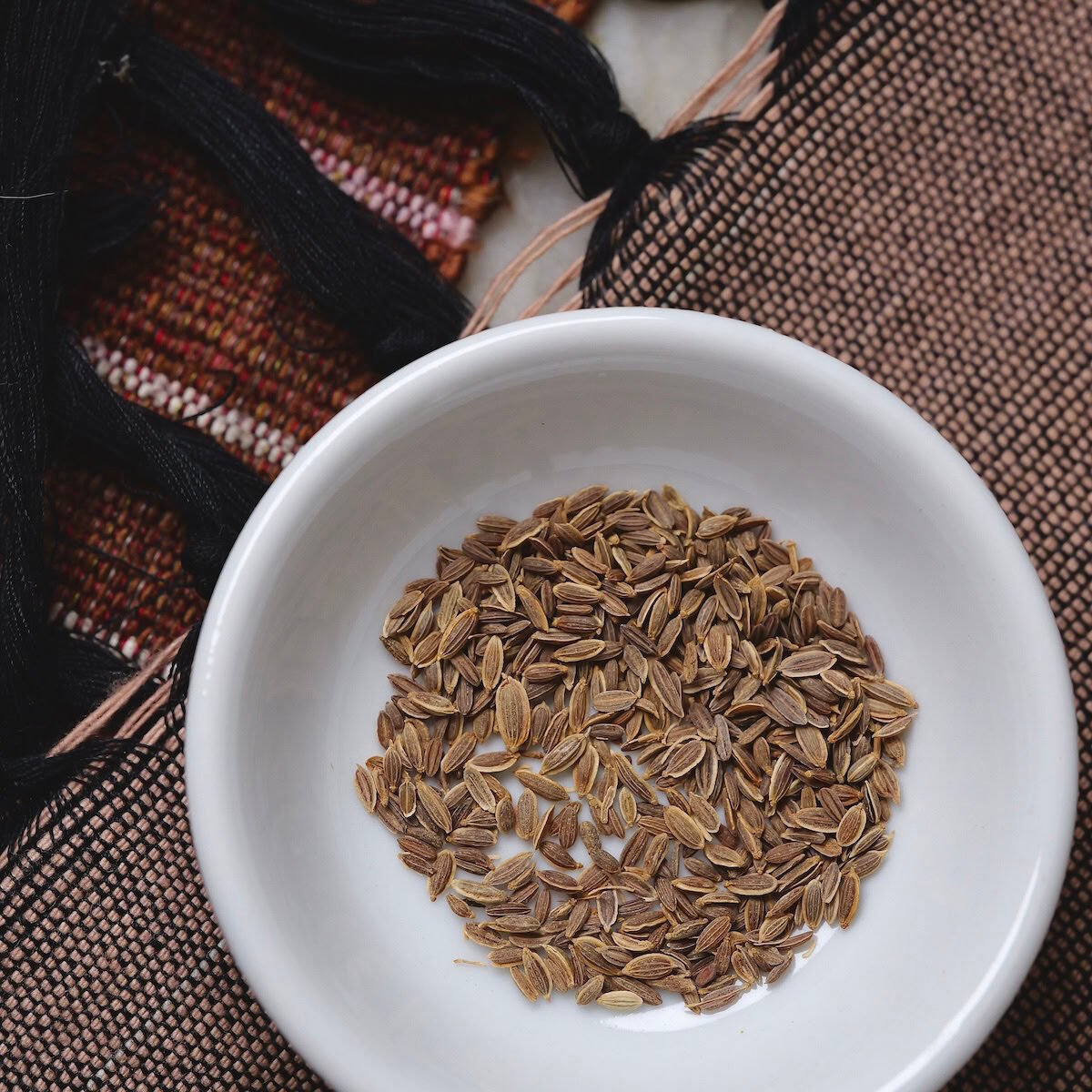
Dill Seed
Dill seed is the spice produced from the tiny fruits of the dill plant (Anethum graveolens), an annual herb in the parsley family.
REGION OF ORIGIN
Dill originated in the Eastern Mediterranean and the Middle East. Alongside the prized herb derived from the plant's feathery leaves, dill seed has been used since antiquity across both culinary and medicinal applications.
PART & COLOR
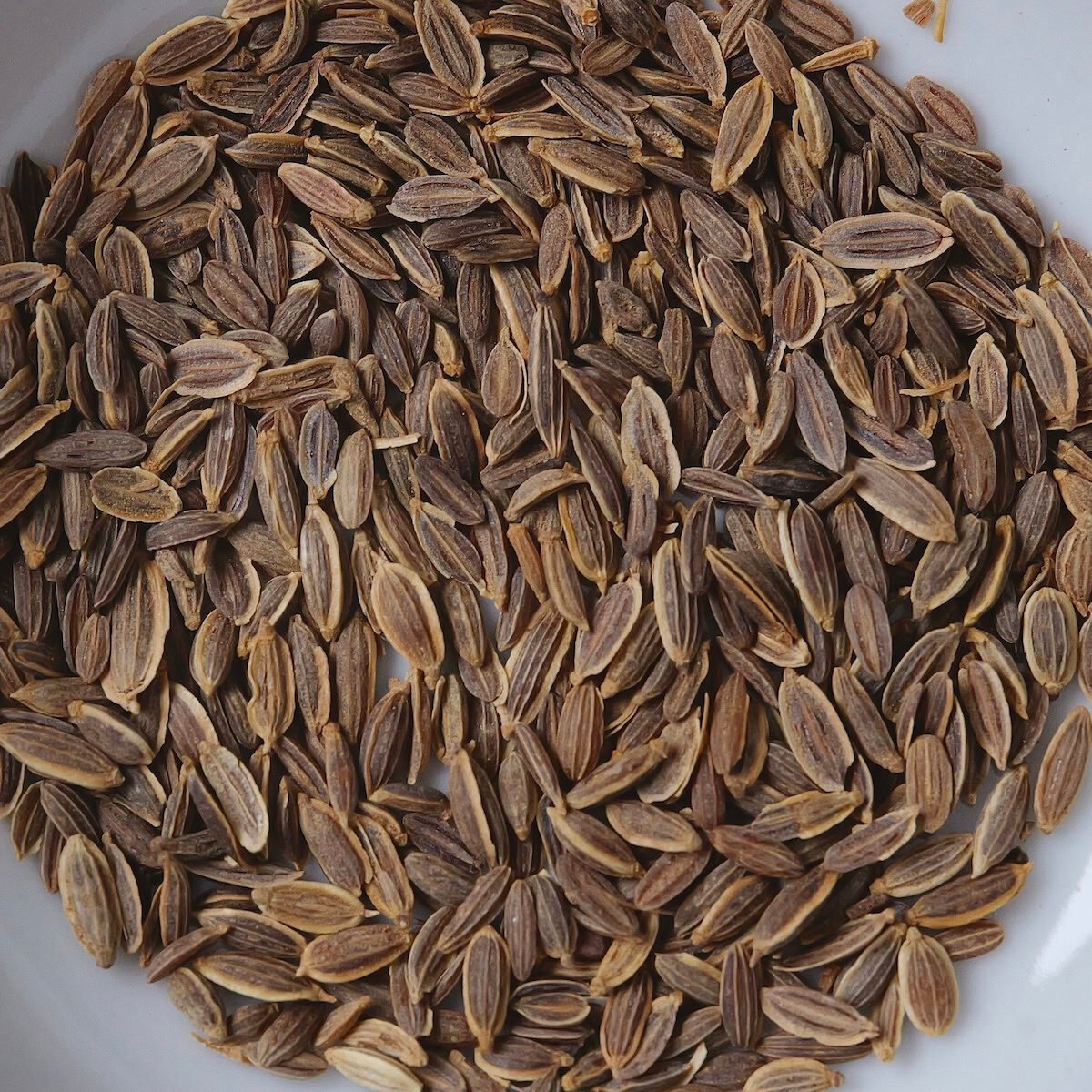
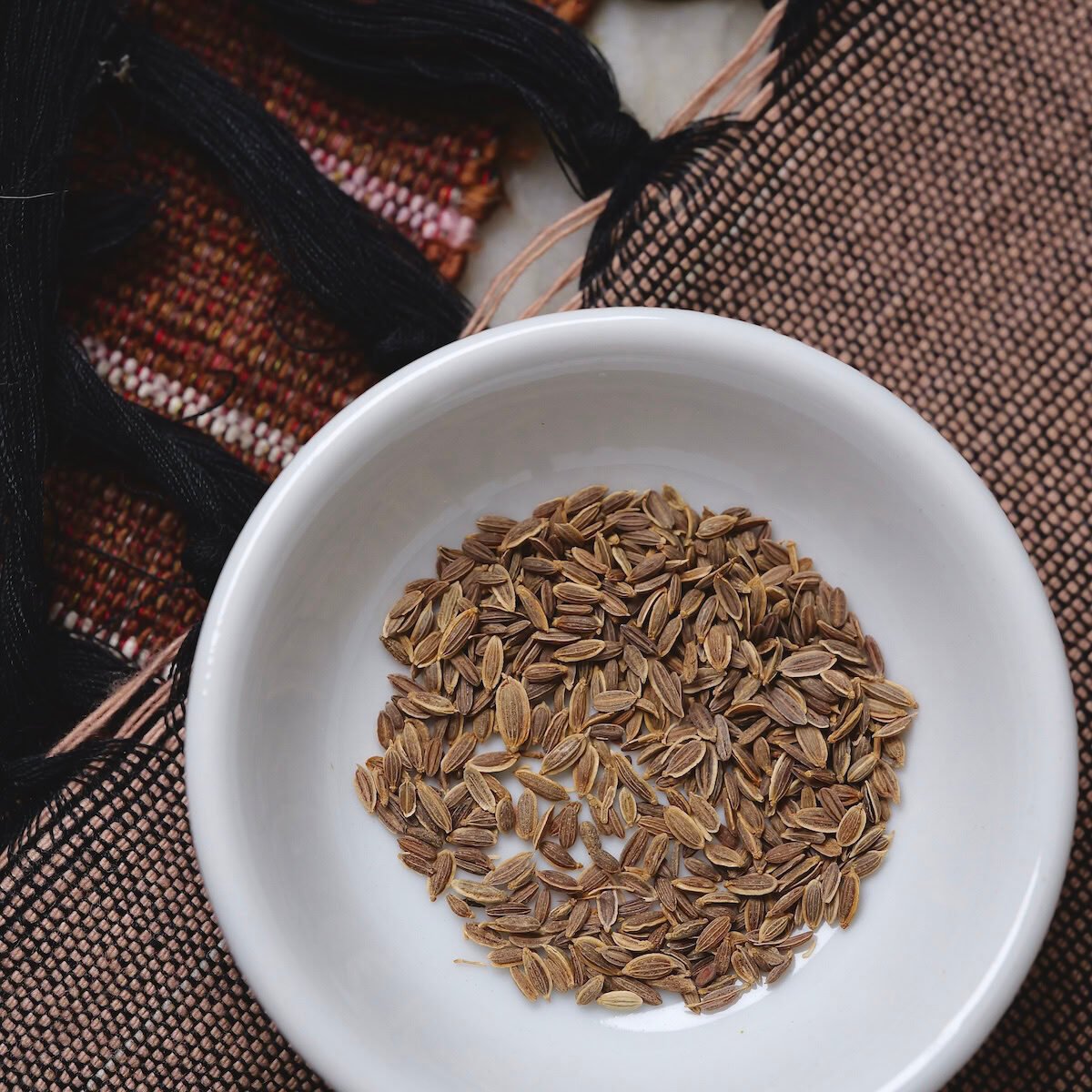
Like the other “seed” spices in the parsley family (anise, caraway, coriander, cumin, and fennel seed), dill “seeds” are actually tiny fruits called schizocarps. They are flat and oval-shaped with vertical ridges, and come in various shades of light brown. The leaves of the dill plant are also a popular culinary herb, and dill pollen is a separate spice.
PRODUCTION
Dill is a fast-growing annual herb that thrives in full sun and well-draining soil. Typically sown in the spring, the tiny fruits are harvested in the late summer or fall, usually 80-120 days after planting. They are ready for harvest when they turn brown and start to dry, but before they fully ripen and split open, scattering the seeds. The entire flower heads are cut and hung upside down over a clean surface to catch the seeds as they dry and fall off.
FLAVOR & AROMA
The scent of dill seed is reminiscent of fresh dill but more complex. It's subtle when whole, but crushing the tiny fruits releases a burst of aroma, somewhere between a milder anise and caraway. It also carries herbal and light woody notes. It is warm and earthy, but a kiss of citrus makes it bright. It's slightly bitter on the tongue, which adds depth.
There is something special about dill seed, a certain fresh quality that seems to evoke vivid memories. It carries with it the crispness of verdant gardens and the salty breeze of sun-drenched shores. It's a flavor that captures the essence of summer, taking you on a sensory vacation with every bite.
CULINARY USES
Dill seed is a key ingredient in pickling, its flavor compounds aiding both the preservation and the flavoring process. That's where we get the famed dill pickle. Dill seed seasons soups, stews, potatoes, and breads (especially rye and sourdough) across Europe, and it deepens curries and vegetables in India.
While primarily used in savory dishes, dill seed is surprisingly good in sweet ones, too. It works well with the flavors of fruits like apples and pears, and it can infuse syrups, honey, or even ice cream with a unique twist. It can also be lightly toasted to bring out new aromatics, then ground and sprinkled over salads, dips, and creamy dressings.