

How to Use Ceylon Cinnamon
The One and Only True Cinnamon
Sweet · Warm · Delicate · Floral
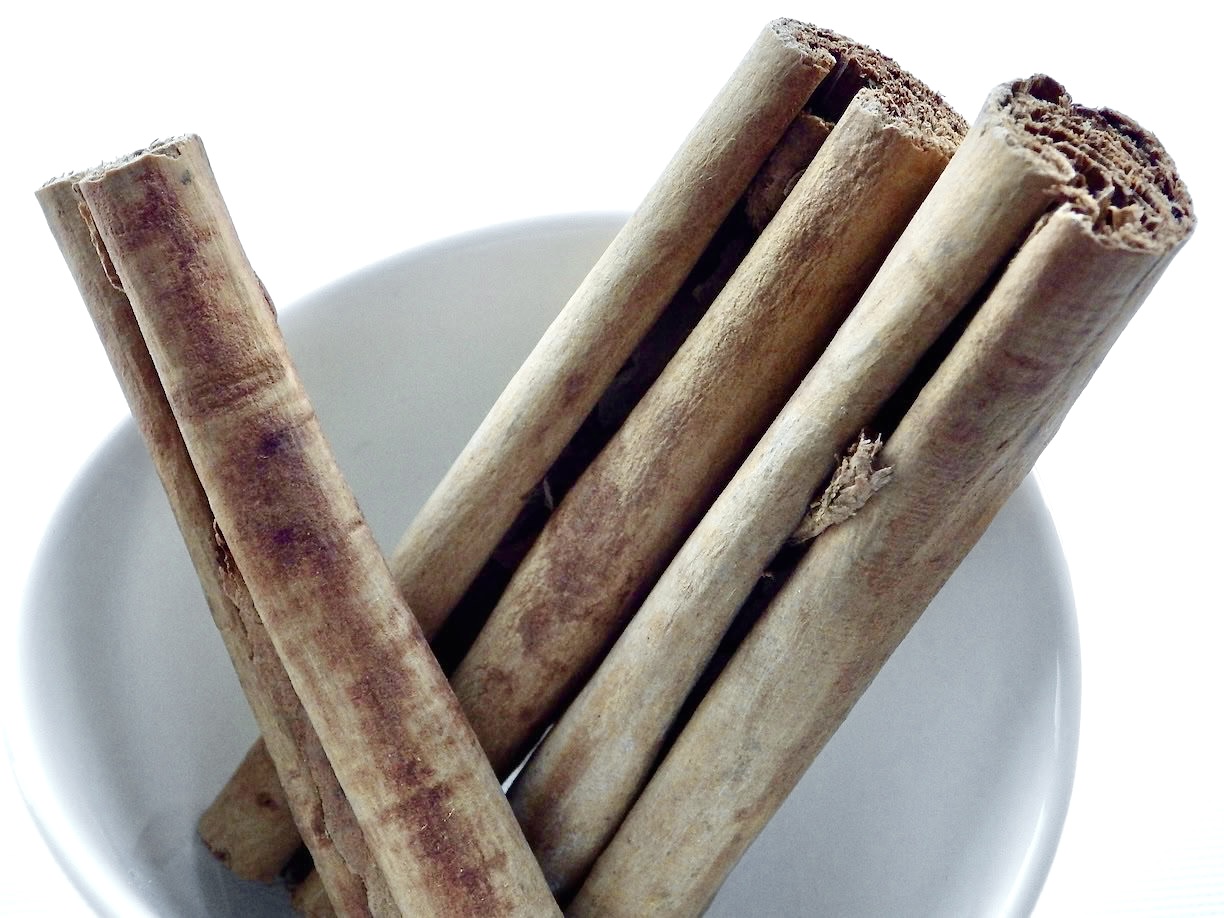
Ceylon cinnamon is refined, elegant. Unlike cassia's assertiveness, true cinnamon invites nuance, never overpowering. And it isn't just for holiday desserts! It can do so much more. Discover it's versatility...
FORMS
- Whole: True cinnamon comes in delicate, paper-thin quills made from layers of tender inner bark. They break and crumble easily, releasing their subtle aroma even without grinding. Ideal for steeping in liquids, like teas, milks, and syrups, they make great stirrers. Simply swirl one into coffee or hot chocolate to slowly infuse its flavor. Quills are also well-suited for slow-simmered curries, sauces, broths, and puddings.
- Ground: Ground Ceylon cinnamon is best when freshly prepared, as its volatile oils will vanish quickly. Unlike the hard and thick cassia sticks, true cinnamon's fragile bark grinds much more easily. Use a dedicated spice grinder to produce a fine, fragrant powder just before baking or blending. Whisk it directly into batters, doughs, oatmeal, marinades, and spice blends, or dust it over nuts, chocolate, stone fruit, and dairy.
STORAGE
- Whole: Since the delicate top notes of true cinnamon quickly dissipate once ground, it's best to buy and store whole quills in an airtight container in a cool, dry, dark place and grind it as needed. They will last up to 2 years when stored this way, their layered bark protecting the essential oils inside.
- Ground: When grinding yourself, it's best to do it for each dish to get the fullest flavor. However, for convenience, you can store small batches just like the whole quills above, and the powder will stay vibrant for about 2-3 months before fading considerably. Store-bought pre-ground powders, on the other hand, often lose much of their complexity long before reaching your kitchen. Even when sealed tightly, they tend to offer a milder, flatter flavor after just a few weeks due to the time they took to reach you from wherever they were processed.
PREPARATION
- Toasting: You can toast broken quills in a dry skillet to draw out deep, nutty, and woody notes, but be gentle. Ceylon’s subtleties are easily lost if overheated. Toast just until you can smell warm and sweet notes wafting out of the pan. If it starts to smell smoky or bitter, it's already gone too far.
- Steeping: Steep whole quills in fat, cream, oil, or alcohol, as true cinnamon's flavor compounds don’t dissolve well in water. This tactic is great for sauces, custards, and beverages.
COOKING
- Sweet: Ceylon doesn’t taste sweet itself, but it enhances the perception of sweetness in other ingredients. This makes it perfect for pastries and desserts. It also has a citrusy, clove-like fragrance that works beautifully in custards, porridges, poached fruits, and warm beverages like chai or café de olla.
- Savory: Similarly, it brings out the sweeter notes in savory dishes like North African stews or mild Indian dals. You can mix ground Ceylon into mild meat rubs or stir it into curries early to help its flavor bloom.

Mexican Hot Chocolate (Chocolate Caliente)