How to Use Black Pepper
The King of Spices
Peppery · Pungent · Spicy · Warm
Black pepper is crowned the king for good reason. It's used just about everywhere to bring out the boldness of just about anything.
FORMS
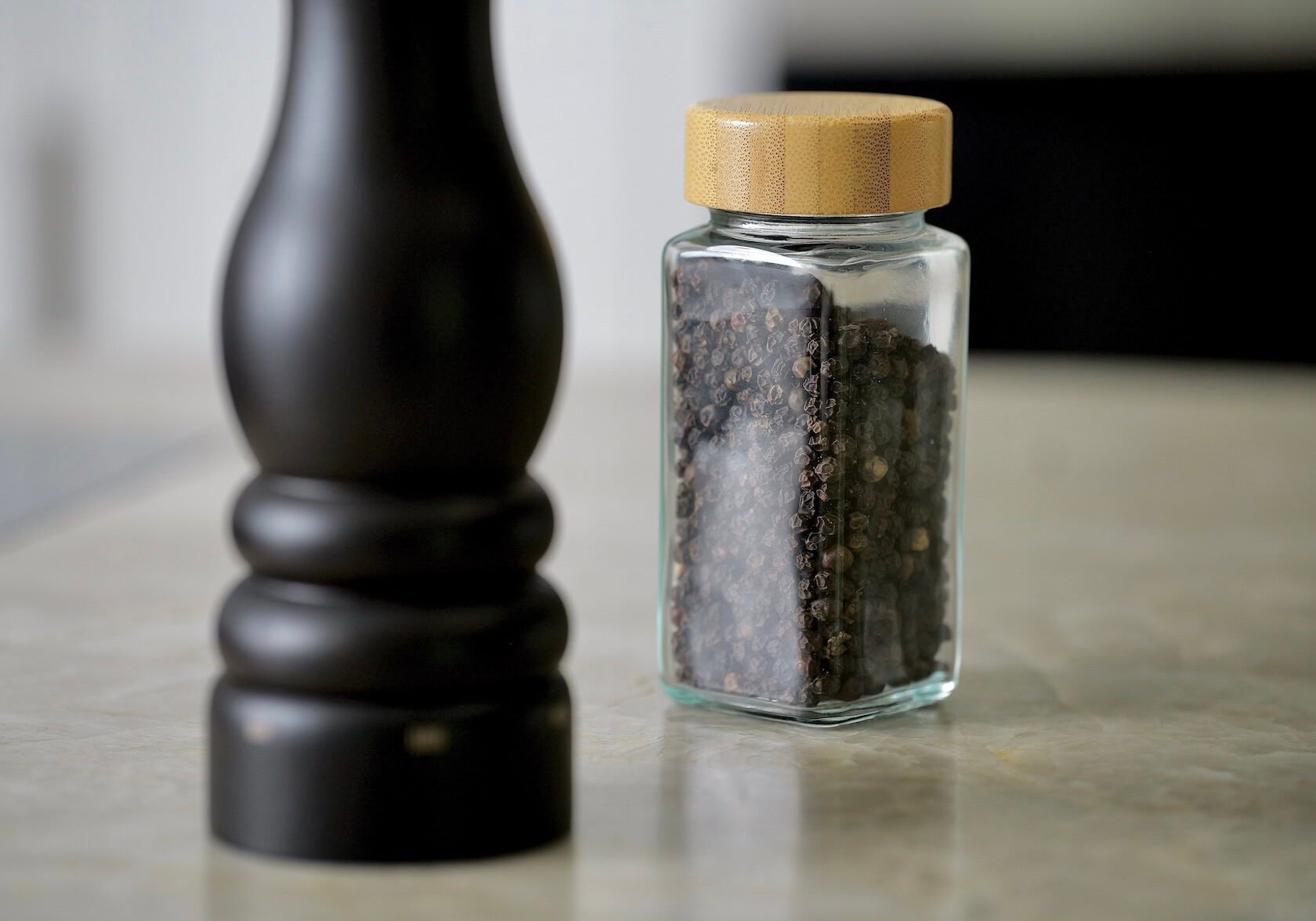
- Whole: Black peppercorns are one of the world’s most universally indispensable spices. With a flavor that ranges from citrusy and woody to slightly fruity or numbing, the whole spice offers so much more than the base pungency found in "pepper" shakers.
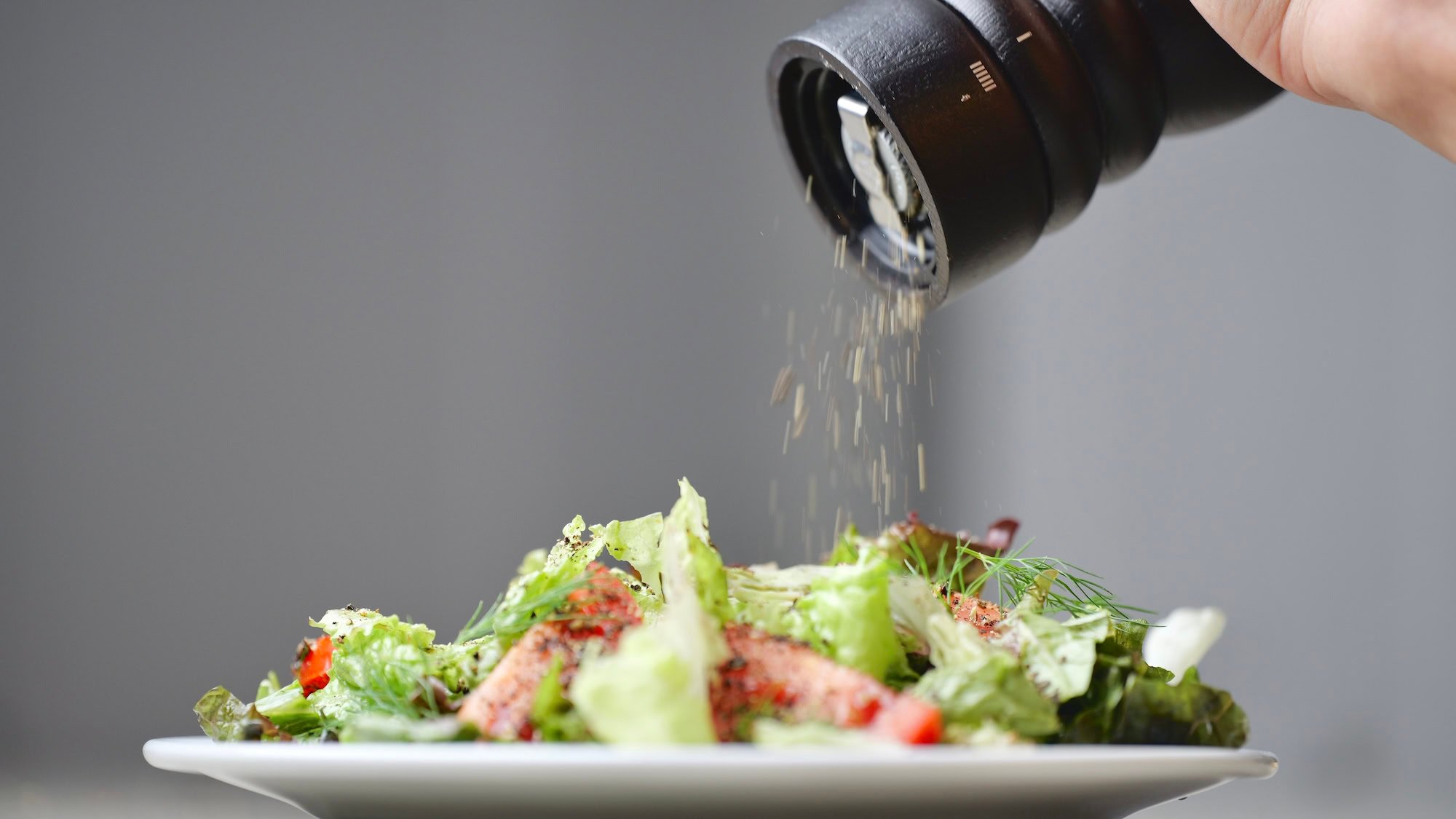
- Ground: Black pepper's signature flavors come from volatile oils that rapidly degrade when exposed to air, so pre-ground pepper is only useful for heat, not its full flavor and aroma. To keep its wonderful qualities intact for the benefit of your dishes, grind peppercorns yourself immediately before use.
STORAGE
- Whole: Since the most desirable, delicate top notes of any spice quickly dissipate once ground, it's best to buy and store whole black pepper. In an airtight container in a cool, dry, dark place, your peppercorns will keep for up to 18 months before their flavor starts to fade. Peak flavor is usually within the first year, but they can be usable for years when stored properly.
- Ground: Pre-ground pepper has its utility in pure convenience. It will maintain peak flavor for about 3-4 months if kept well, but for best results, buy small in small amounts and replish often.
PREPARATION
- Grinding: Use a pepper mill or electric grinder for convenience. Many grinders also allow you to control coarseness (6–10 mesh = cracked, 12–14 = coarse, 18–28 = fine). For efficiency in the kitchen, pre-grind a small batch into a ramekin just before cooking.
- Cracking: Lightly crush whole peppercorns using the flat side of a knife or a mortar and pestle for a much coarser texture. Cracked pepper offers a milder release of heat that works especially well in crusts for meats, pickling blends, and marinades—wherever a slower infusion is the goal.
- Ideating: Black pepper can add surprising depth to most foods—sweet or savory, cooked or fresh. With such versatility, part of preparation is dreaming up new ways to use it. You can press cracked peppercorns into meats before grilling, dust a fine grind over roasted veggies, salads, and seafood, or even sprinkle it over ice cream or gelato!
COOKING
- When to Add: Use black pepper early in cooking for background warmth, or grind fresh at the end to sharpen the dish just before serving.
- Blooming: Toasting black pepper is not recommended. Unlike many spices, pepper doesn’t benefit much from dry heat since its volatile oils scorch quickly. Instead, black pepper plays a key role in blooming, or "tempering," especially in South Asian cooking. It's briefly sizzled in hot oil with other spices to release the full spectrum of its flavor compounds. Freshly crack or coarsely grind the peppercorns before tossing them in for the best results.
- Caramelizing: Briefly caramelizing pepper with soy sauce deepens its flavor, creating a rich, bittersweet glaze that highlights its warmth while mellowing its edge. The soy sauce’s natural sugars and umami help the spice develop smoky notes that cling effortlessly to meats, noodles, or stir-fried vegetables.