

How to Use Caraway
The Charming Spice
Earthy · Warm · Bittersweet · Licorice-like
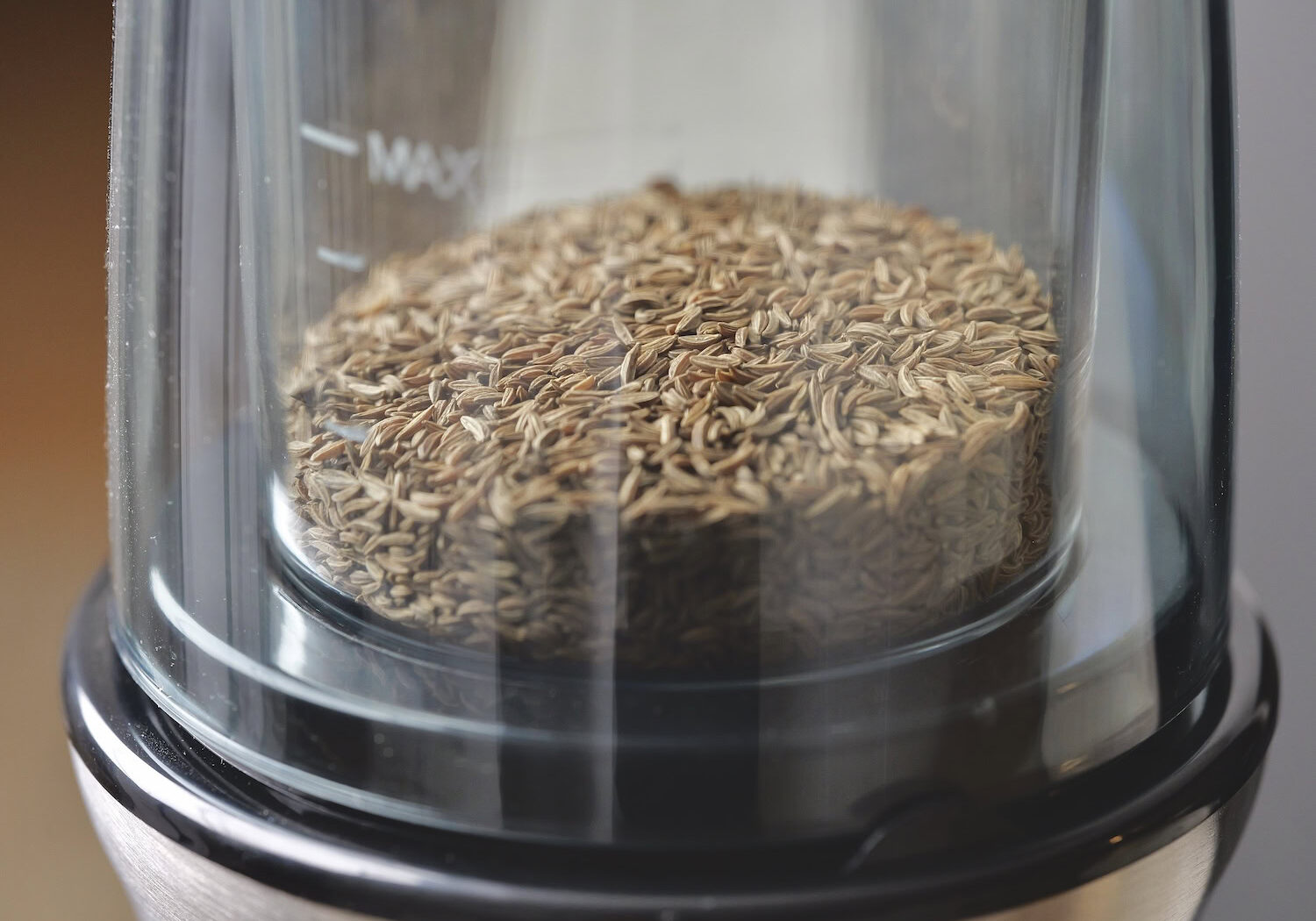
Earthy, nutty, and laced with a hint of dried orange peel, caraway can bring an old-world soul to modern dishes. It is milder and more nuanced than anise or fennel seed, so it’s a great choice if you find those too intense. It complements hearty, fatty meats like duck and pork and is foundational to many breads and cheeses.
FORMS
- Whole: With their distinctive bittersweet flavor and small, crunchy texture, caraway seeds have many uses. They're great in stews, sausages, and dressings, especially with lemon and oil. Toss them into bread dough, bloom them in butter with onions, or toast and sprinkle them over roasted nuts or vegetables.
- Ground: The spice is packed with aromatic oils, so for a more punchy, robust flavor experience, grind away. This is ideal for rubs, blends, and baking.
STORAGE
- Whole: Once ground, the flavor fades fast, so it's best to buy and store whole caraway seeds. Properly stored in an airtight container in a cool, dry, dark place, the spice will retain peak flavor for about 6-12 months. It can last longer, but its complexity will steadily fade over time.
- Ground: Pre-ground caraway is convenient, but it loses its aroma much faster. Store it the same way, buy small amounts, and use it within a few months.
PREPARATION
- Grinding: Use an electric grinder for a fine powder or a mortar and pestle for a coarser texture.
- Crushing: You can also lightly crush them and sprinkle them over sautéed apples, cabbage, or potatoes. The gentle heat helps draw out caraway's essential oils just before you dig in.
- Toasting: Gently toasting whole caraway before use can enhance its nutty, citrusy depth and deepen the warming notes. Be careful not to over-toast, though, as caraway becomes bitter when burnt. Toast briefly over medium heat in a dry pan, just until aromatic.
- Blending: Caraway’s warm, nutty notes can transform condiments when used sparingly. Lightly toast the seeds, then blend them into mustards, yogurt sauces, or chutneys.
- Pickling: Caraway adds a warm, earthy note to pickling brines, pairing especially well with cabbage, cucumbers, carrots, and beets. Crush the seeds before adding to help the flavor compounds infuse more fully.
COOKING
- When to Add: Whole caraway holds up well in long cooking and tends not to overpower, so you can add it early, even at the very beginning. When ground, it should be added much later in the cooking process to preserve its fleeting top notes.
- Blooming: Try blooming caraway briefly in oil before adding in your other ingredients. This helps dissolve its fat-soluble flavor compounds and carry them throughout the dish.
- Braising / Stewing: Add it early to braises, soups, and stews (especially with pork, duck, or cabbage) to give them a mellow depth that ties the dish together.
- Baking: Caraway is a baker’s secret ally for deep, earthy warmth. Mix it into rye or soda breads, or sprinkle a pinch over seed breads, savory scones, crackers, or flatbreads before baking. The heat coaxes out caraway's citrusy oils, uplifting the loaf's aroma.
- Pairing With Dairy: Caraway's sharp, bittersweet notes provide a harmonious contrast to rich ingredients like cheese, butter, and cream.
