

How to Use Ginger
The Ancient Heat
Hot · Peppery · Citrusy · Sweet
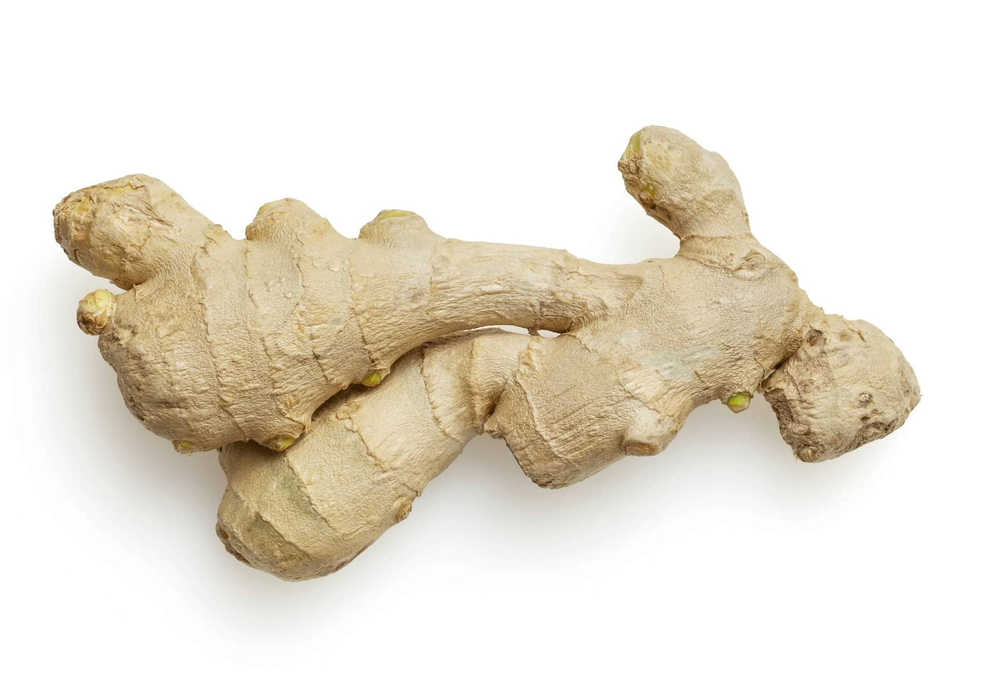
Ginger has a distinctive vigor. It's zesty and warm; equal parts spice, heat, and brightness. Used in everything from curries to cookies, teas to tonics, few ingredients travel as far or do as much.
FORMS
- Fresh: When fresh, ginger is in its most expressive form, which makes it the most rewarding to work with. It brings a peppery heat with a bright, citrusy lift that dried ginger simply can't replicate. When buying, look for firm, plump rhizomes with smooth skin. Wrinkled or fibrous pieces are old and will be stringy, less juicy, and noticeably duller in flavor.
- Dried: A different spice altogether. During dehydration, gingerol converts into shogaol, which is roughly twice as pungent but less citrusy. The result is earthier, spicier, and more intense, making dried ginger ideal for baking (gingersnaps, gingerbread, pumpkin pie), spice blends, masalas, and any dish where deep warmth matters more than freshness. Dried ginger comes as whole roots, flakes, or powder. Most cooks buy it pre-ground since dried rhizomes require industrial equipment to grind.
- Pickled: Pickled ginger (such as gari and beni shoga in Japanese cuisine) provides a delicate, vinegary brightness used to cut through rich or oily foods, or cleanse the palate. The pinkish color of gari is a natural reaction between young ginger and the vinegar's acidity, so if a commercial product is pink but made from mature ginger, it's artificially dyed.
- Candied: Candied (crystallized) ginger offers a sweet, spicy chew that’s as useful for desserts and snacking as it is for soothing digestion.
STORAGE
- Fresh: Whole, unpeeled rhizomes keep for about 10 to 14 days in the refrigerator if kept dry. For longer storage, wrap them in a dry paper towel and seal them in a breathable or perforated bag to retain enough moisture without developing mold. Ginger also freezes well. Store whole pieces, slices, or grated portions in airtight containers for 3 to 6 months. Frozen ginger grates easily straight from the freezer, so you don't have to worry about thawing.
- Dried: Whole dried roots can last for years in a cool, dark, dry pantry, while ground ginger gradually loses its best notes after about a year. Keep powdered ginger tightly sealed away from heat and light to preserve its potency. Because ginger's most delicate aromatics fade once ground, buy it in small quantities and refresh your supply often.
- Pickled: Homemade pickled ginger lasts for 1-3 months in the refrigerator, while commercial jars last up to a year once opened. The high acidity does most of the preserving work, so always keep it fully submerged in its brine. Use a clean, dry utensil every time you serve it, and store it in glass rather than plastic, which absorbs the acidity and affects flavor.
- Candied: Preserving ginger in syrup (candied ginger or ginger syrup) dramatically extends its shelf life by months while creating a flavorful byproduct for cocktails, baking, or sauces.
PREPARATION
- Peeling: Peel fresh ginger just before you use it rather than in advance, since the aromatics start to fade once the skin is removed. The skin itself is thin and easy to deal with: the back of a spoon is the classic trick and works surprisingly well on the irregular knobs, a small paring knife gives you more control, or you can skip peeling altogether if the ginger is young and well-washed. Before you reach for a vegetable peeler, keep in mind that ginger's knobby shape makes peelers awkward and occasionally dangerous. Cut a flat base first to stabilize it on the board, then work from there.
- Cutting: How much you cut ginger dramatically affects its flavor. Whole chunks give you the most gentle background warmth. Slicing yields a similarly mild, but more citrus-forward heat suited to broths, teas, and long simmers. Mincing or grating ruptures far more cells, releasing much more gingerol, the compound responsible for its sharpness. Grated ginger can also be squeezed through cheesecloth to extract pure juice with no fiber, which is great for tonics, dressings, marinades, and the like.
- Pounding: Like mincing and grating, pounding releases the most gingerol, giving you the hottest bite the spice has to offer. Use a mortar and pestle or the flat side of a heavy knife, working in short bursts rather than one continuous mash. The goal is to break down fibers and release juices.
COOKING
- When to Add: Add whole chunks or sliced ginger early in cooking to build deep, rounded warmth. With prolonged cooking, gingerol converts into zingerone, a warm, mellow compound. This is why long braises and stews become sweeter and aromatic rather than fiery. Conversely, add grated or minced ginger in the last minute or two to preserve its potent zest, ideal for stir-fries, finishing sauces, and quick sautés. For teas and broths, gently simmer larger slices to extract their flavor without developing bitterness.
- Oil Carries Heat, Water Carries Aroma: Blooming ginger briefly in oil intensifies its spicy, peppery bite, while simmering it in water, broth, or coconut milk coaxes out its citrusy, aromatic side. Choose the medium based on the character you want. But be careful: minced ginger burns almost instantly on high heat. If you need a hot pan, add sliced ginger to the oil first and save the grated ginger for later to keep the flavor clean.
- Balancing and Pairing: Ginger has a natural affinity for sugar, palm sugar, honey, citrus juice, and vinegar. They all soften it, integrate it, and make it more complex. This is why it feels so at home in sweet chili sauce, soy-sugar braises, and citrus dressings. Ginger also has a remarkable ability to cut through richness. Even a small amount will lift fatty meats like pork belly, duck, and lamb, and stop coconut milk or dairy-based dishes from feeling heavy.

Hiyayakko. Chilled silken tofu topped with freshly grated ginger, sliced negi, and soy sauce, sitting on a shiso leaf. Ginger's role here is central: raw and finely grated, its sharpness gives the dish a necessary lift.