

How to Use Dill Pollen
The Exquisite Dust
Herbaceous · Floral · Sweet · Warm
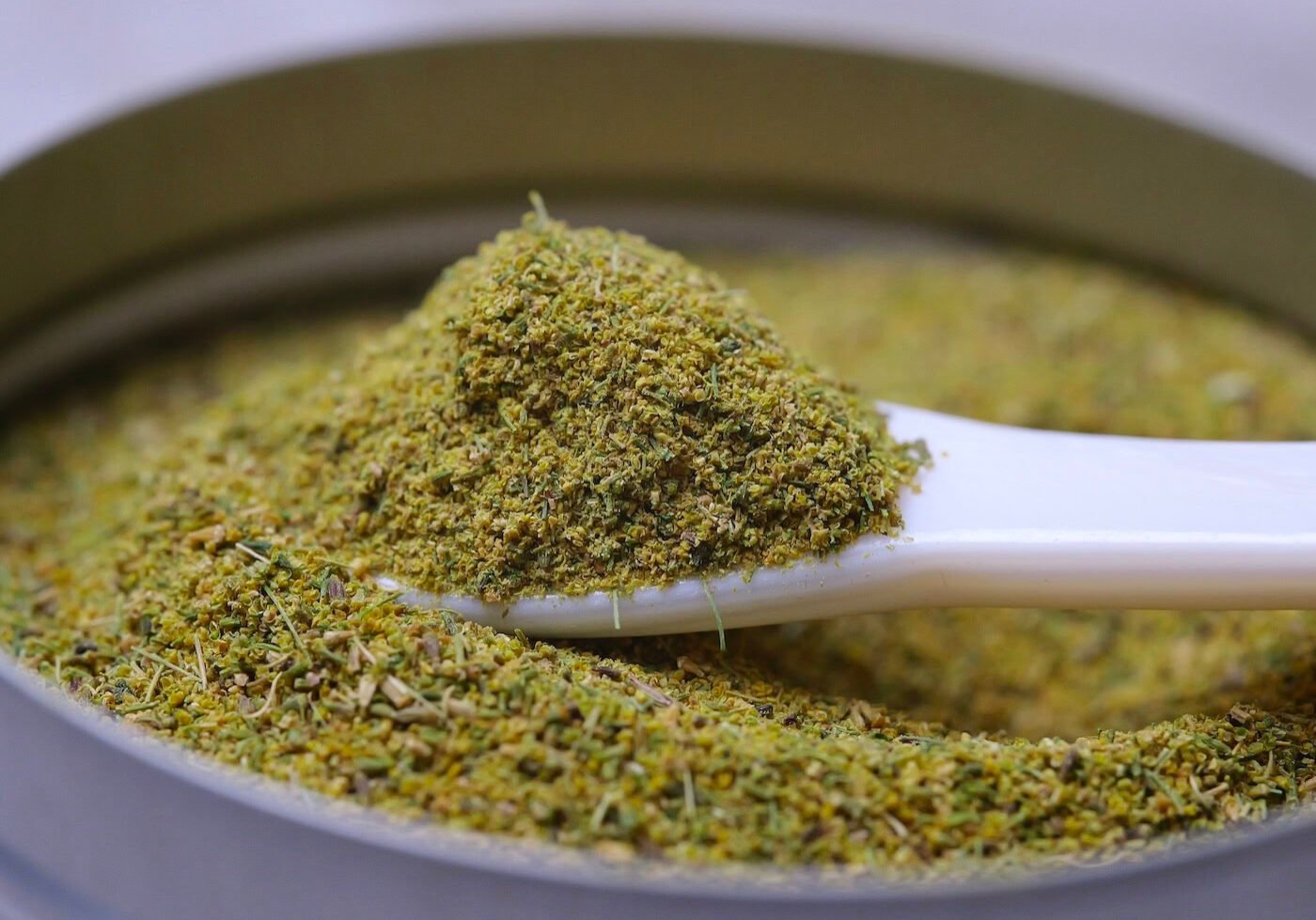
Unlike the familiar fronds and seeds, dill pollen is rare and expensive. It's dill at its most concentrated. Just a pinch transforms seafood, vegetables, or vinaigrettes with bright, herbaceous magic.
FORMS
- Dill pollen only comes in one form: the pollen itself and tiny segments of attached blossoms and stems. It is far more potent and nuanced than dill weed or seed, making it one of the most prized “finishing” spices in a cook's arsenal. Simply toss a pinch over your meal right before serving and watch how it elevates the experience of all your other ingredients.
STORAGE
- Dill pollen is highly volatile. Its delicate aromatic compounds fade quickly when exposed to air, heat, light, or moisture. Store it in an airtight container in a cool, dark cupboard or drawer away from the stove. For maximum vibrancy, buy in small amounts and use within 6 months. Do not refrigerate or freeze, as condensation can cause clumping and flavor loss.
PREPARATION
- There is no need to grind or toast to enjoy this spice fully, and its weightless form and volatility make infusing a lost cause. Just use it to finish your dish with a light dusting.
COOKING
- Since heat dulls its lovely fragrance, dill pollen is best added at the very end of cooking or sprinkled directly onto completed dishes. Its fine specks disappear into food, leaving a lingering, complex aroma.
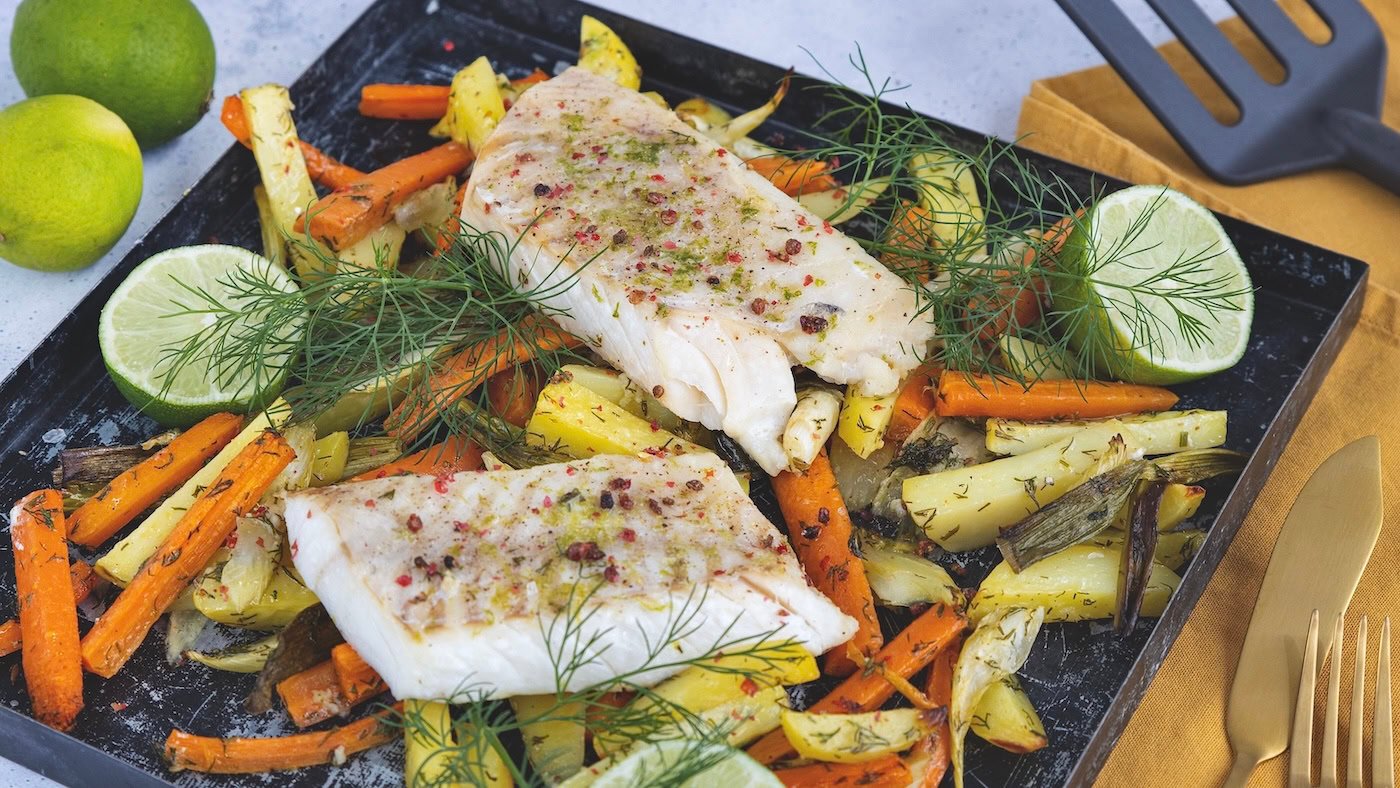
White fish fillets finished with dill pollen and fresh fronds. Dill pollen is the most intensely flavored part of the plant. Applied raw over the cooked fish just before serving, it delivers its aromatics at full potency.