

How to Use Cumin
The Earthy Spice
Earthy · Pungent · Warm · Nutty
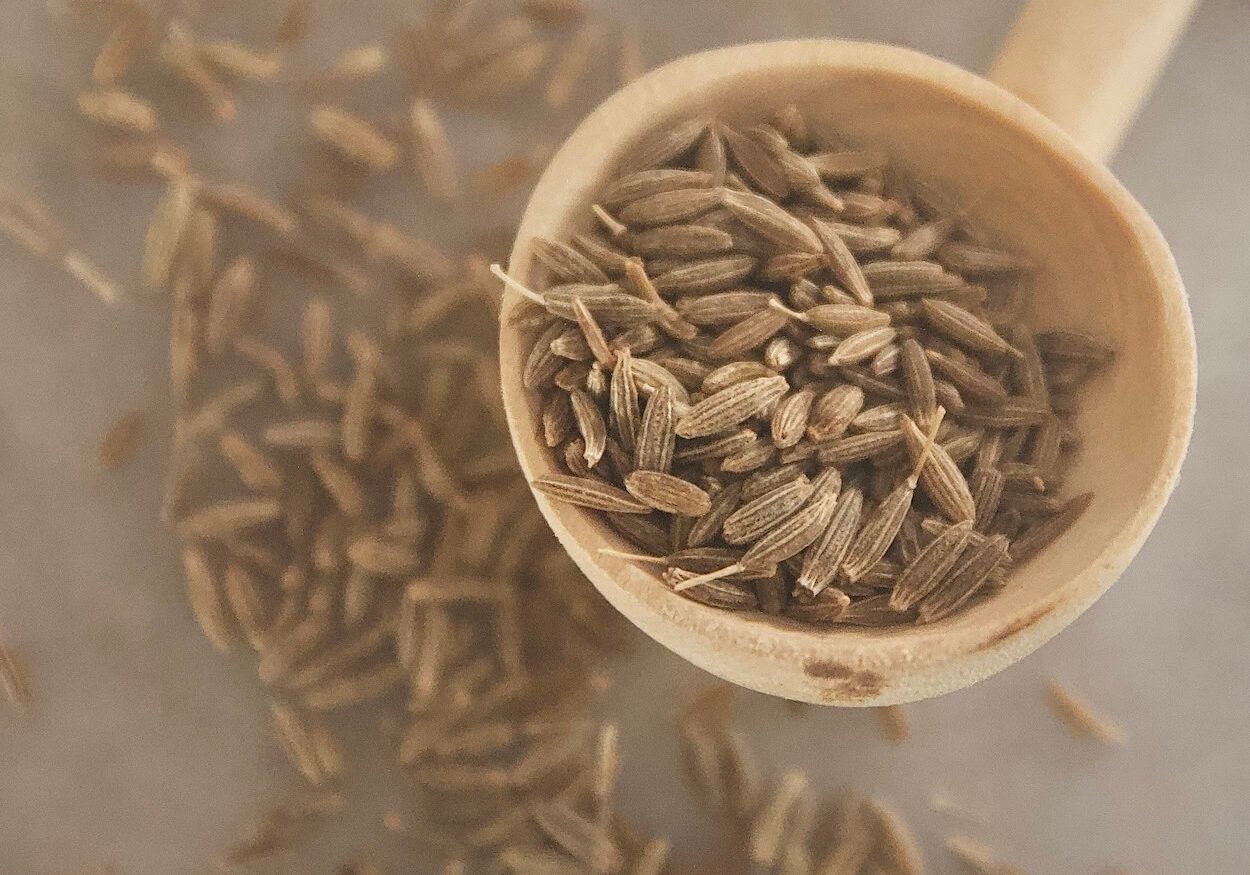
FORMS
- Whole cumin delivers a deeper, rounder, gentler flavor than its ground form. It also offers a pleasant crunch, perfect for lighter dishes like vegetables, lentils, and salads. You can also infuse them into rice, stews, or spice-infused oils.
- Ground: Ground cumin delivers a stronger, more concentrated flavor that works well in hearty fare such as chickpeas, kidney beans, rich stews, tomato-based sauces, chili, and spice rubs for lamb or pork.
STORAGE
- Whole: Since the most desirable, delicate top notes of any spice quickly dissipate once ground, it's best to buy and store whole cumin in an airtight container in a cool, dry dark place and grind it as needed. Whole cumin can retain a strong flavor for up to a year.
- Ground cumin loses potency much faster, often within a couple of months. When buying cumin powder for convenience, do so in small quantities and from a fresh source.
PREPARATION
- Grinding: Cumin's essential oils dissipate quickly once ground, so freshness is key. Buy whole and grind just before use for maximum aroma. An electric spice grinder works best, but a mortar and pestle is ideal for small batches or when you want a crunchy texture. If using a pepper mill, clean it first by grinding stale bread or rice to remove residual flavors. Use the powder sparingly at first, since its pungent aroma can easily overpower everything else.
- Toasting: Compared to other spices, cumin is especially well-suited for toasting. Untoasted seeds offer a stronger, sharper edge, while toasting softens and sweetens them, allowing them to develop entirely new flavor compounds: pyrazines (nutty, toasted notes) and sulfur compounds (meaty and vegetal). Toasted cumin can be used whole as a garnish on soups, lentils, rice, or vegetable dishes, adding both crunch and aroma. But for the fullest flavor, toast whole seeds, then grind them just before adding to the dish.
COOKING
- Blooming: Most of cumin’s flavor compounds are fat-soluble, so blooming the spice in hot oil, butter, or ghee at the start of cooking unlocks its full depth. Whole seeds will sizzle and pop, releasing nutty, roasted aromas that anchor the dish. Be careful not to scorch since it turns bitter quickly, so lower the heat once the aroma rises up. Ground cumin can be added after the whole spice blooms, adding a finishing punch of flavor after the base oils spread warmth throughout stews, curries, or sautés.
- Pairing: Cumin’s earthy warmth is a backbone of flavor in Indian, Middle Eastern, North African, Mexican, and Mediterranean cooking. It brings a meaty dimension to vegetable dishes, adds complexity to legumes and grains, and balances the tastes of sweet and sour. Cumin shines in yogurt dips, guacamole, hearty breads, and egg dishes. It also pairs famously with coriander. The two together form the foundation of countless blends from garam masala and ras el hanout to various chili powders.
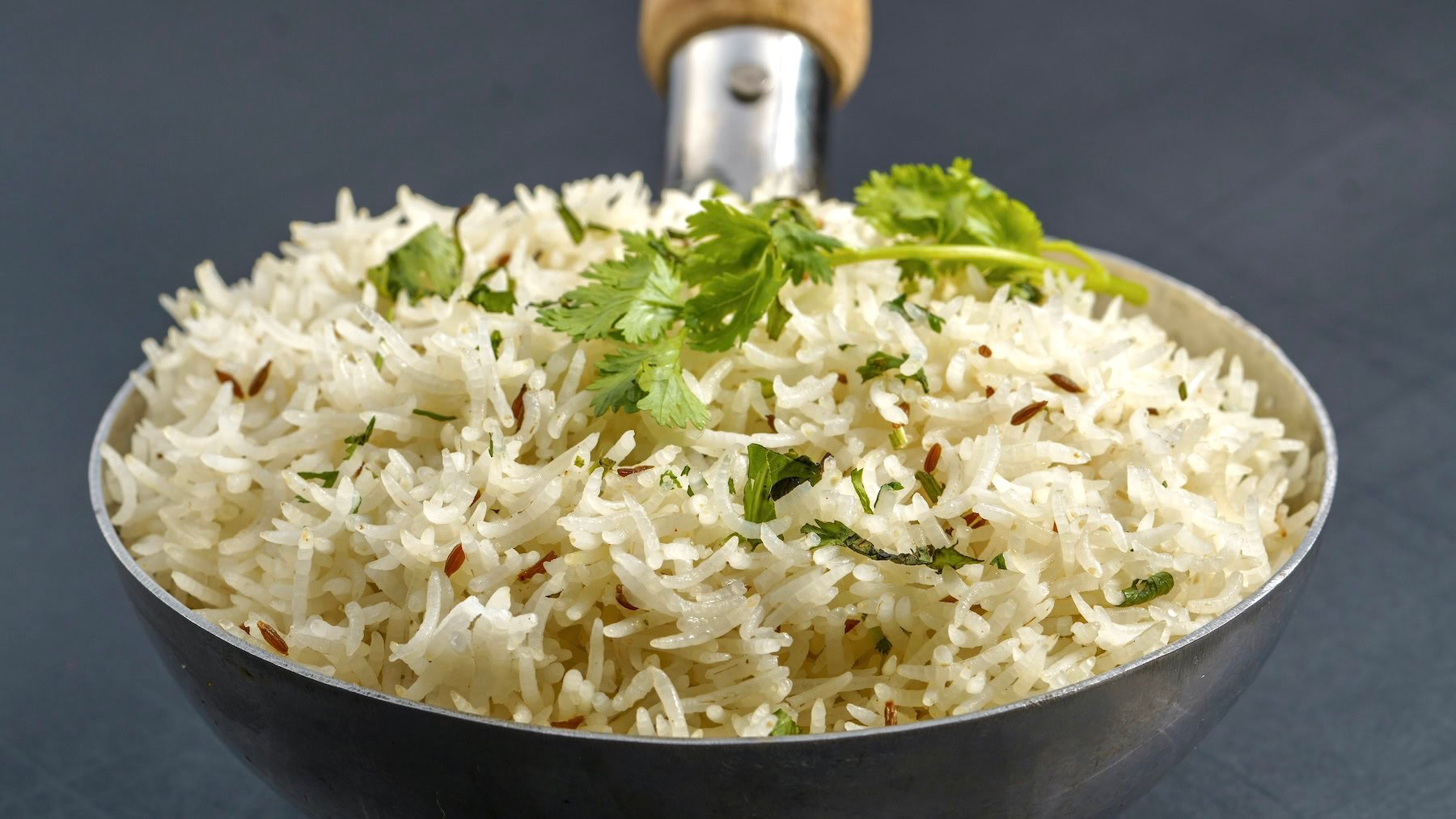
Jeera Rice