

How to Use Cardamom
The Queen of Spices
Sweet · Pungent · Resinous · Floral
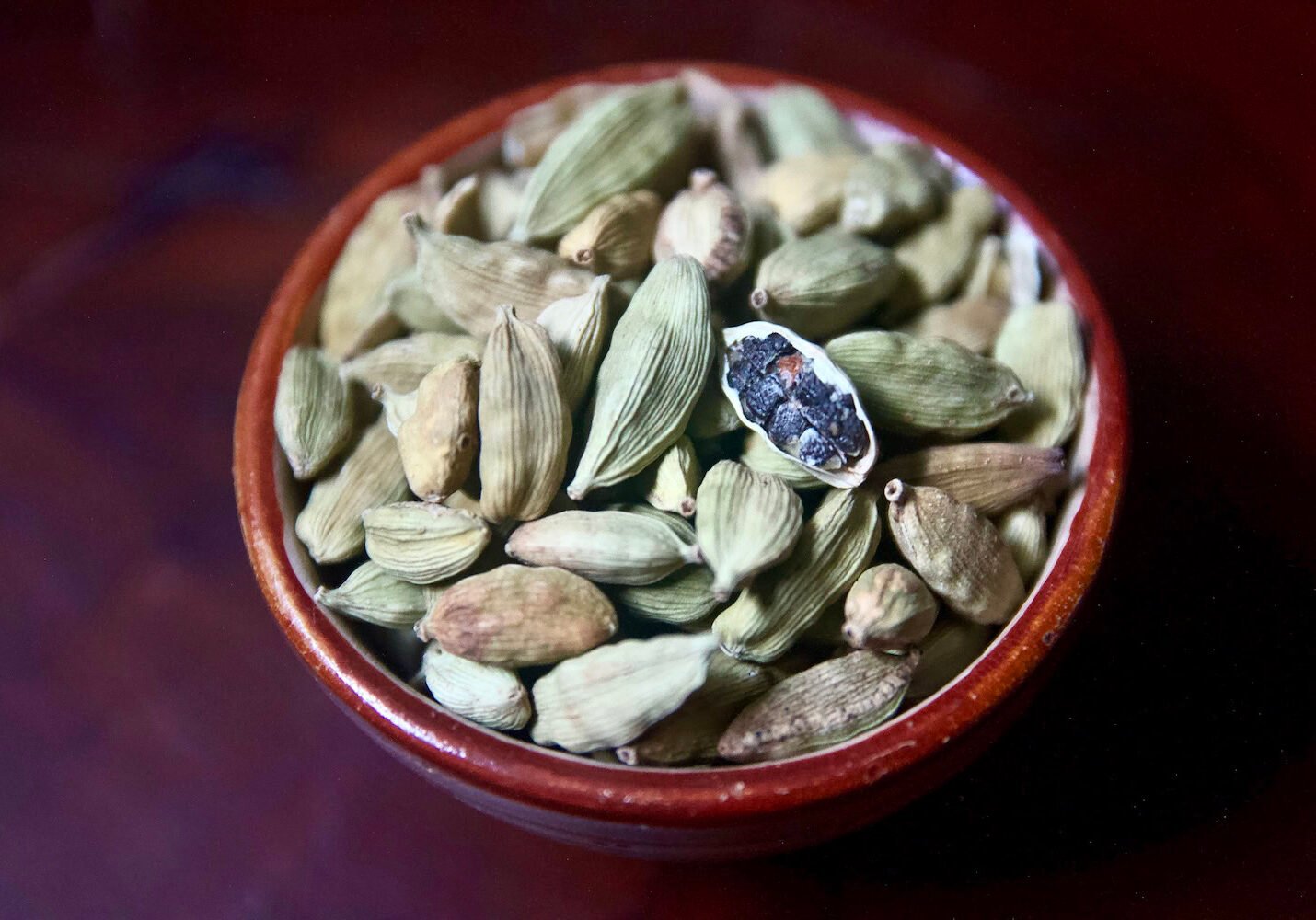
Cardamom is the queen and her flavor is regal indeed. It's enchantingly complex: sweet and flowery, cooling and warming all at once. When used with finesse, cardamom makes the dish sing.
FORMS
- Whole Pods: While you can steep entire pods in rice and stews just like bay leaf, extracting the sticky black seeds within them is often best for flavor since nearly all of cardamom's essential oils are concentrated there. The green husk is mostly fibrous and bland.
- Whole Seeds: You can buy whole seeds without the pod, but to ensure freshness, make sure the seeds are black and sticky, not pale and dry.
- Ground: Ground cardamom can be mixed directly into batters, fillings, spice blends, rice, marinades, oatmeal, and smoothies. You can also sprinkle it on top of fruits, baked goods, and desserts.
STORAGE
- Whole Pods: Since the most exquisite, delicate top notes of the queen of spices quickly dissipate once ground, it's best to buy and store whole cardamom pods. In an airtight container in a cool, dry, dark place, pods will last 1-2 years.
- Whole Seeds: Without the husk to protect and preserve the flavorful seeds inside, the lifespan of loose seeds is 2-3 times shorter (6-12 months).
- Ground: Freshly ground cardamom will lose peak flavor within a week. Pre-ground powders offer a milder, simpler experience, but their flavor will last about 2-3 months.
PREPARATION
- Extracting the Seeds: To do so cleanly, lightly crush the pods with the flat side of a knife, then open them with your fingers or the blade to free the seeds inside. Some pods have a little slit in the side, making it easy to pry them open with your hands. If they're really fresh, you may need to toast them a bit to make the husk more brittle.
- Grinding: After removing the seeds, pulse them in an electric spice grinder until fine. This will release more aroma and ensure an even texture. A coarse grind isn’t ideal for cardamom since the hard, fibrous seeds don’t break down evenly and can create an unpleasantly gritty texture.
- Toasting: For savory dishes especially, you can toast cardamom in a dry pan to create roasted, smoky, nutty notes that aren't present in its raw form.
COOKING
- How Much to Use: A little goes a long way. Cardamom's flavor can dominate if overused, so start small and scale up.
- Blooming: Since many of cardamom’s key flavor compounds are not water-soluble, lightly sautéing whole / crushed pods or seeds in butter or oil allows them to fully emerge and infuse the dish. Avoid high heat or prolonged cooking, though, which can mute its fragrance and make it taste bitter. A brief warm-up is enough to bring out the spice’s magic.
- Experimenting: Cardamom’s timeless aroma is indispensable across countless cuisines, from Indian biryanis and Middle Eastern rice pilafs to Nordic pastries, German sausages, and Turkish coffee. Get creative with it! Rubs, fruit compotes, roast duck, custards, pickles, and cheese. So much is fair game.

Masala Chai