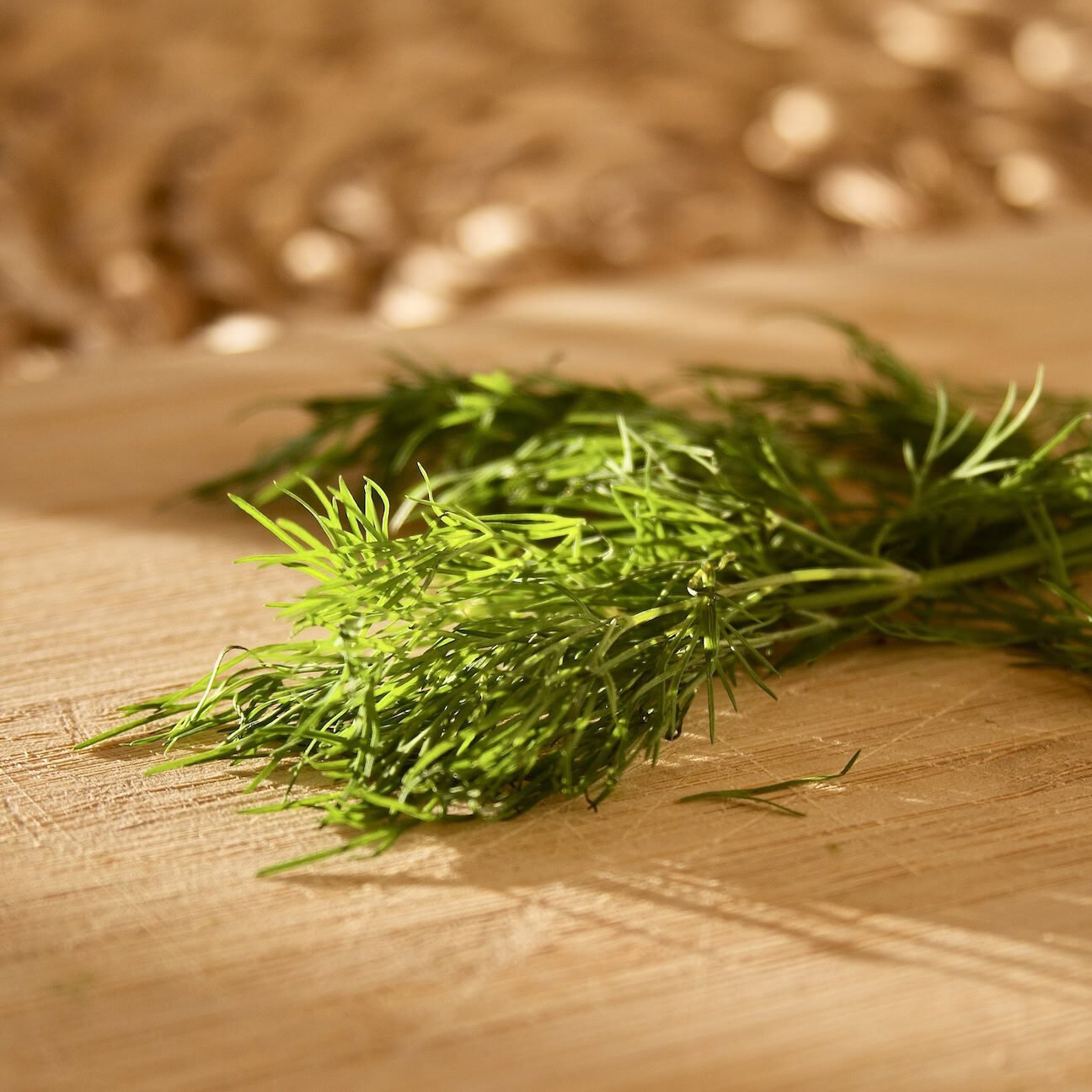
Dill
Dill, or dill weed, is the herb derived from the leaves and shoots of Anethum graveolens, an annual in the parsley family that also provides two spices from its fruits and pollen.
REGION OF ORIGIN
The dill plant originated in the Eastern Mediterranean and the Middle East. Prized by the ancient world, dill sprigs were even found in the tomb of the pharaoh Amenhotep II.
PART & COLOR
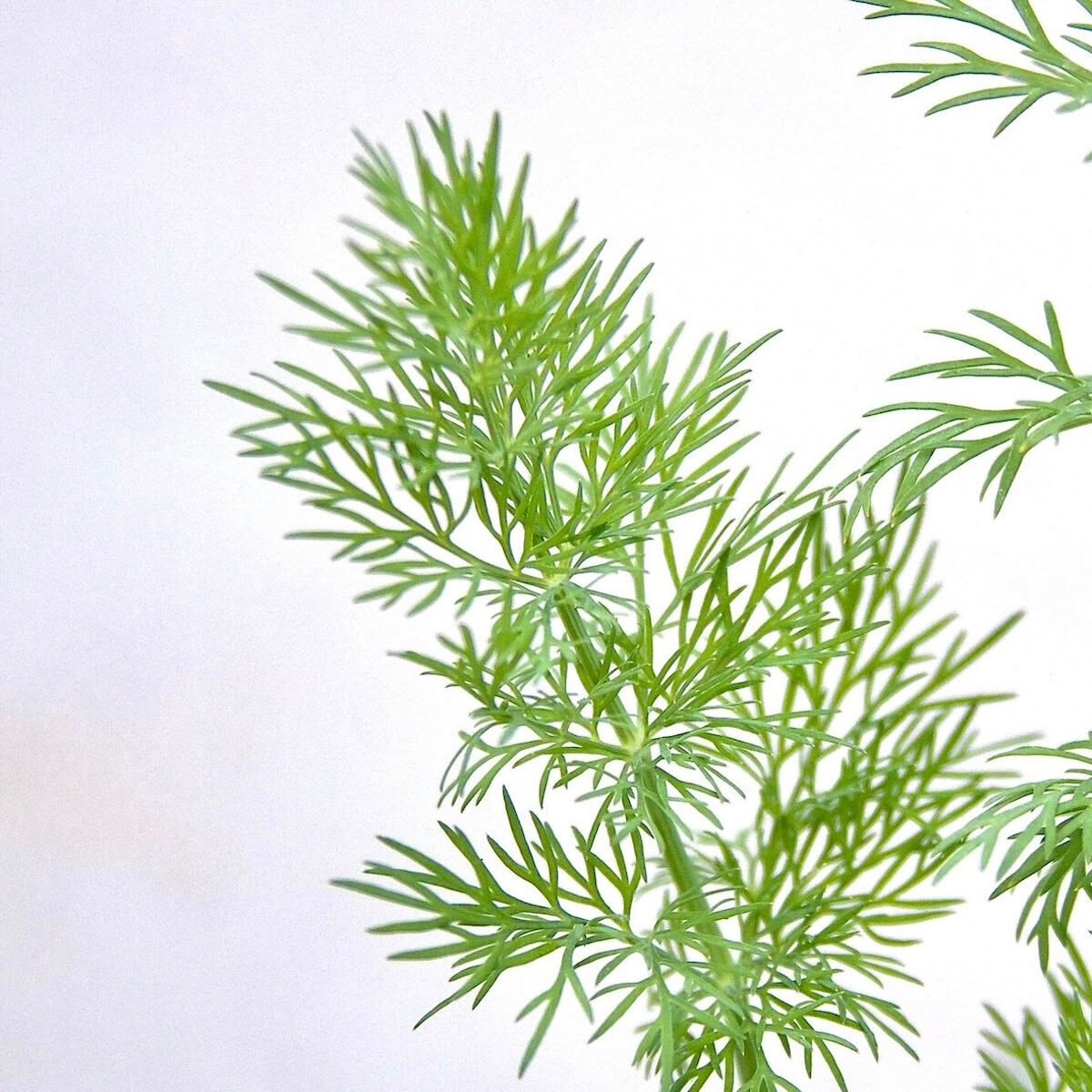
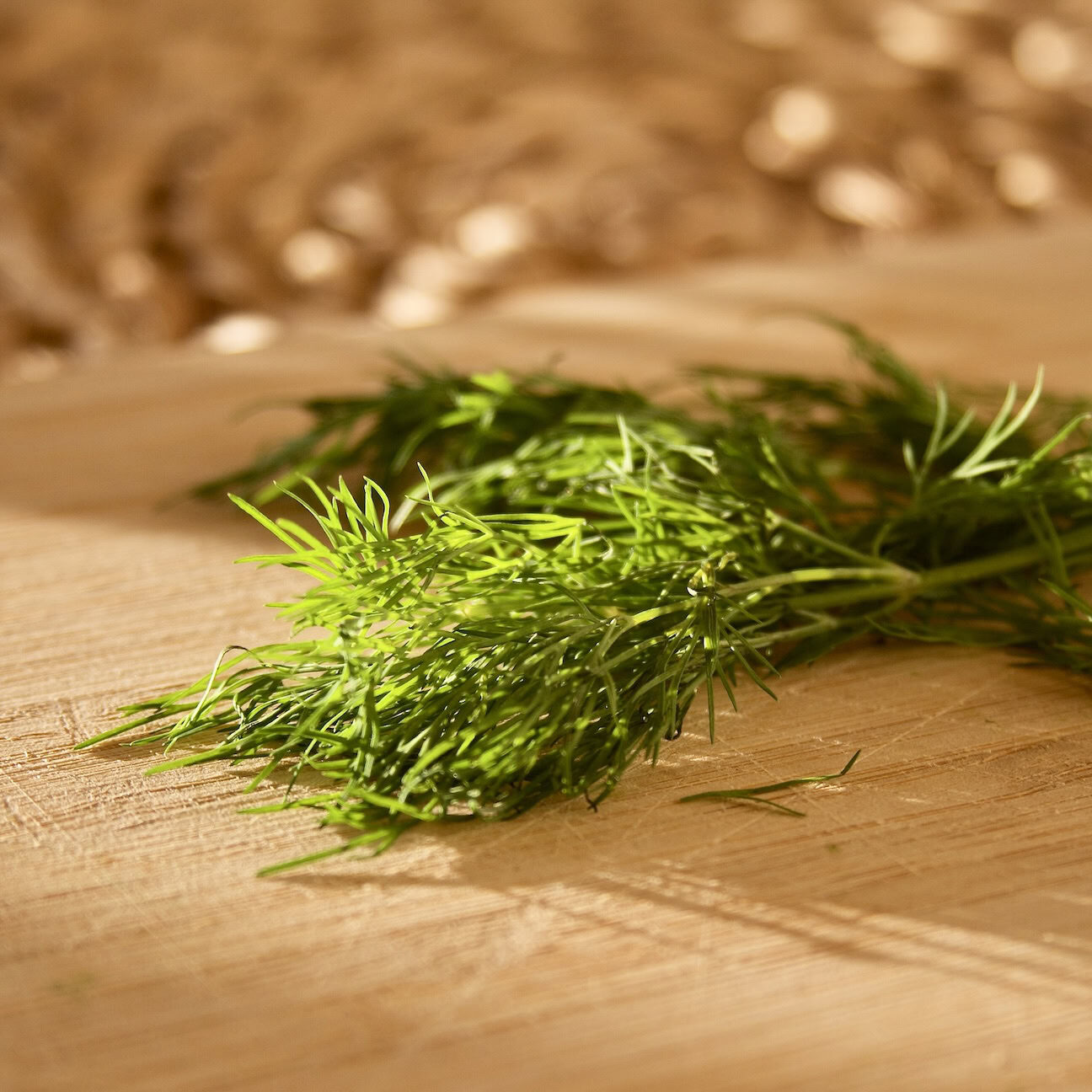
Dill herb, or dill weed, or just dill, refers to the soft, feathery, fern-like leaves of the plant (often called fronds). They are bright green with a slight bluish hue. The plant’s tiny fruits, "dill seeds," are a popular spice, as is dill pollen, which can include the tiny dried flower blossoms.
PRODUCTION
Dill is a fast-growing annual herb that prefers full sun. Typically sown in the spring after the last frost, dill fronds can be harvested throughout the growing season. However, the leaves are typically at their peak flavor and aroma in the early summer. They are ready for harvest when the plant reaches a height of 6-8 inches and has 4-5 leaves, usually within 40-60 days of planting. To encourage bushier growth and a continuous supply of leaves, the outer leaves are harvested first, cutting them close to the base.
FLAVOR & AROMA
Dill's aroma instantly transports you to a lush herb garden. With delicate, bright top notes of celery, citrus, and anise, it's a calming fragrance. "Dill" can be traced to the Old Norse dilla, which means “to soothe or lull," so tranquility is woven into its story. The flavor is light and sweet, followed by a faint bitterness. The anise note adds a touch of warmth and spice on the tongue, and a citrusy element makes it refreshing.
If you’re growing your own dill, explore its different plant parts to experience its essence from several angles. The leaves are bright and delicate, the seeds are warmer and more pungent, and the pollen is especially intense and floral.
CULINARY USES
Dill is a staple in Scandinavian and Eastern European cooking, where it's used to flavor fish (especially cured salmon like gravlax), potato salads, cold soups, and pickled vegetables. Its fresh herbaceous notes complement rich dairy products like yogurt and sour cream, making it a natural addition to dips such as tzatziki. In India, dill has a strong presence in lentil curries, potato dishes, and rice plates like pulao and khichdi.
Fresh dill can brighten salads, soups, and eggs, pairing particularly well with cucumbers, tomatoes, and summer vegetables. You can also infuse the fronds in vinegar or blend them into freshly made dressings and marinades.