

How to Use Coriander
The Vibrant Spice
Citrusy · Nutty · Floral · Warm
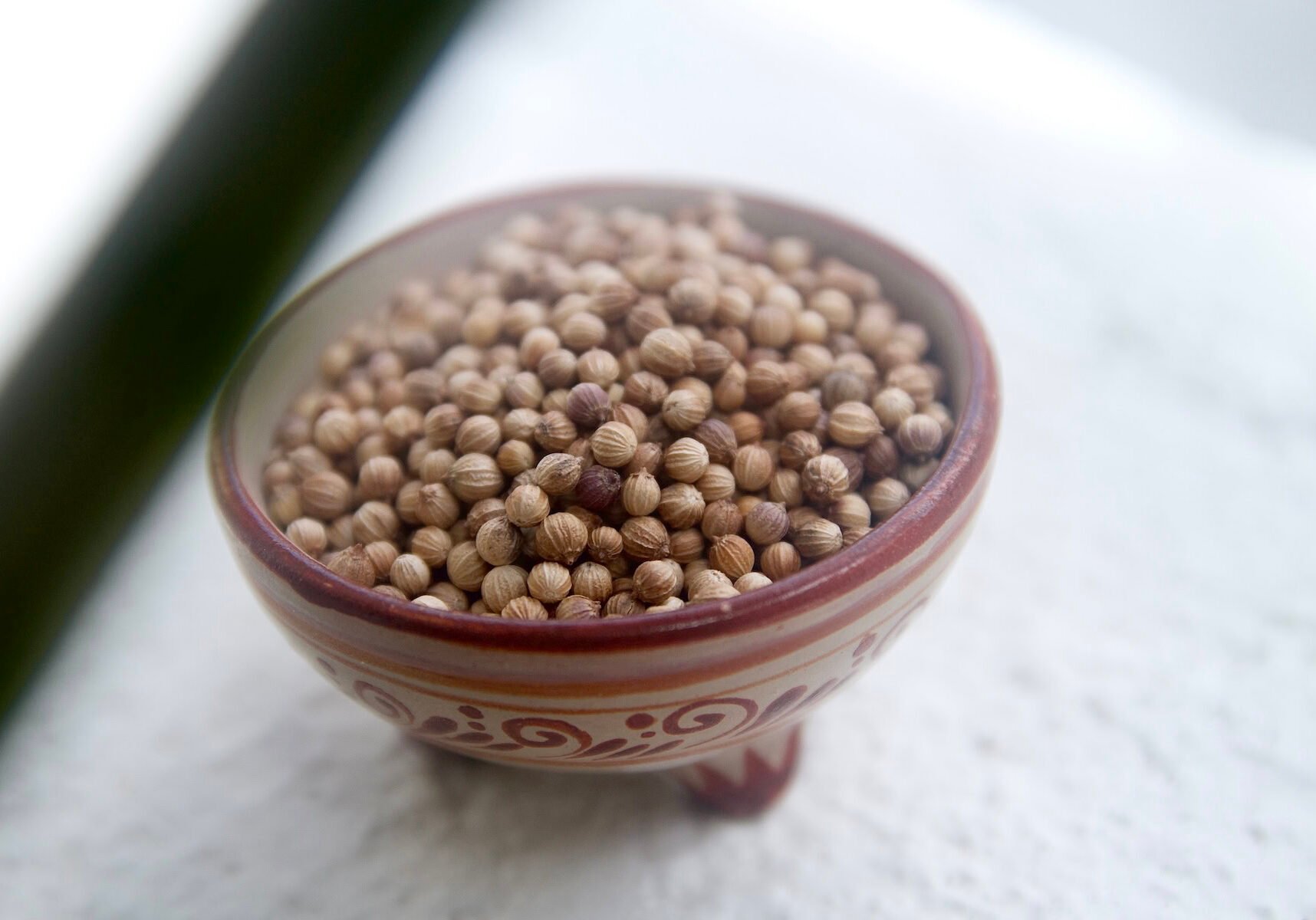
Coriander is zesty and bright, yet warm and nutty. Subtle enough to disappear into a blend, yet indispensable in more of them than almost any other spice.
FORMS
- Whole coriander's subtle sweetness and earthiness add a grounding note to curries, pickles, roasted vegetables, and slow-cooked stews. The tiny fruits are excellent in poaching liquids for fish and infused into oil with lemon zest. Buying whole also lets you control texture and enjoy a longer shelf-life.
- Ground coriander is a required base for countless spice blends. A ratio of roughly 2-3 parts coriander to one part cumin is a classic balance in many mixes. It's best to grind the spice fresh to get the full effect, but once you have the powder, it's very convenient to measure and mix into dishes.
STORAGE
- Whole: Since the most desirable, delicate top notes of any spice quickly dissipate once ground, it's best to buy and store whole coriander in an airtight container in a cool, dry, dark place and grind it as needed. Whole coriander stores exceptionally well under these conditions, thanks to its protective husk. Interestingly, unlike most spices, coriander can even become more pungent as it ages. However, it's still best to refresh your supply at least every year.
- Ground coriander loses aroma rapidly and should be used within 3 months for peak flavor. For best results, keep seeds whole and grind just before use.
PREPARATION
- Crushing: You can lightly crush the seeds in a mortar and pestle for a coarse spice that tastes brighter and more citrusy than when finely ground. This will crack the dried fruit coat just enough to release the bright top-note compounds (mainly linalool and α-pinene) without releasing the warmer, earthier ones.
- Grinding: Conversely, a fine grind with an electric grinder breaks the fruit into tiny particles, releasing all volatile oils at once. The warmer notes can now dominate over the fresher profile, so grind based on your preference and what each dish needs. A fine grind also immediately starts the clock on flavor loss.
- Toasting whole coriander in a dry skillet until fragrant and light brown deepens its nutty, earthy qualities but dulls the citrusy punch. Add the toasted spice early in cooking to allow its deeper flavor to bloom.
COOKING
- When to Add: Add coriander early when you want its deeper, roasted tones to weave through a dish, or toward the end to preserve its bright lift. Whole seeds can simmer for long periods without becoming harsh, while ground coriander should only cook briefly to avoid losing its core qualities.
- Blooming: Coriander’s oil-based flavor compounds dissolve better in fats or alcohol than in water, so infusing seeds in oil, dairy, or liqueur will yield the most flavor.
- Pairing: Coriander harmonizes naturally with cumin, cinnamon, fennel, and citrus zest. In savory cooking, it bridges sweet and savory flavors, which is great for stews and sautéed vegetables. In the sweet realm, it partners unexpectedly well with stone fruits, pears, and chocolate.
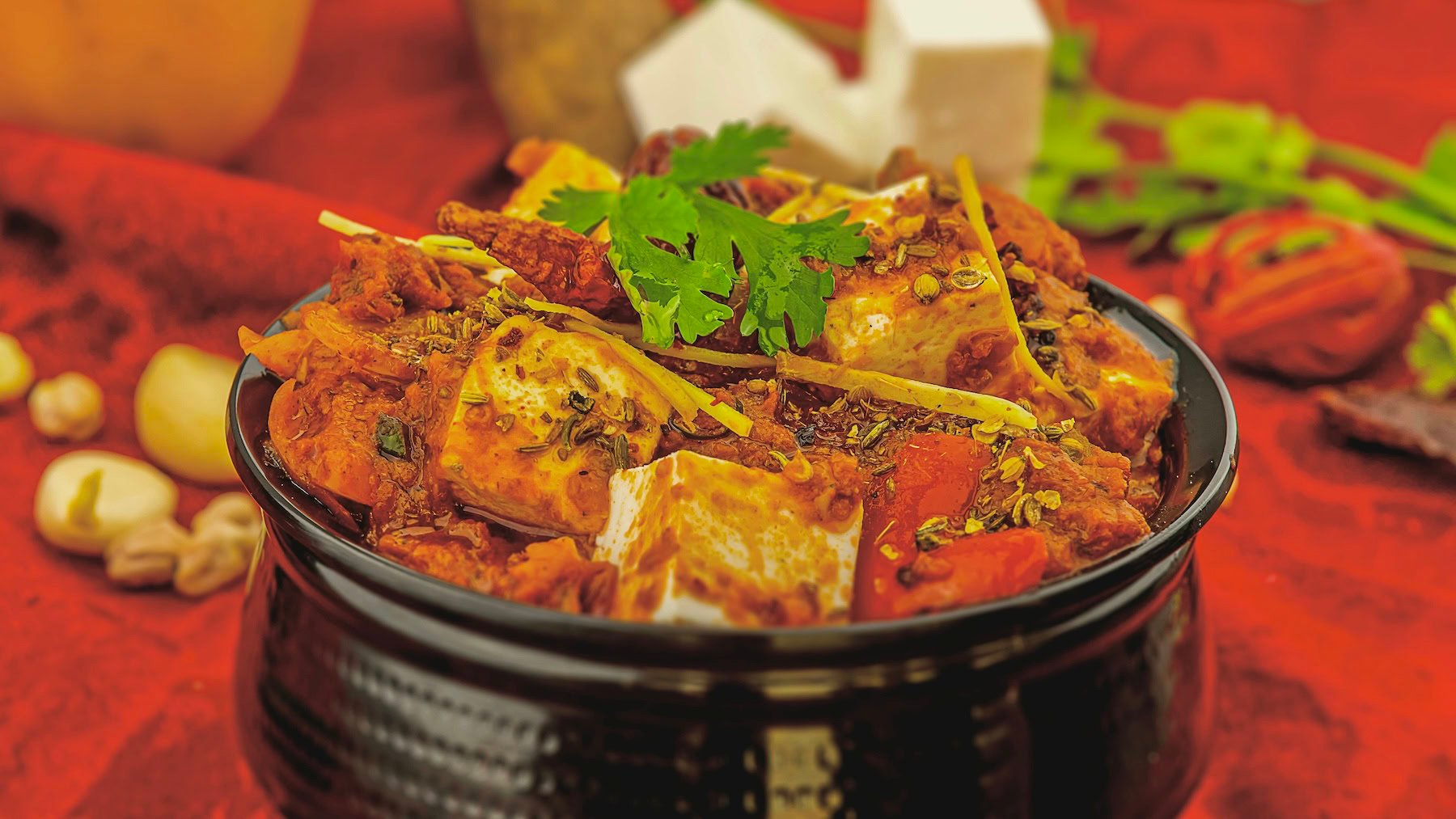
A paneer curry finished with fresh cilantro, julienned ginger, and coriander. Coriander actually serves this dish twice. Before it's toasted, cracked and scattered on top for texture, it's also ground into the masala base.