

Mahlab
Mahlab is the spice produced from the seed kernels within the cherry pits of the Saint Lucie tree (Prunus mahaleb), a deciduous tree in the rose family.
REGION OF ORIGIN
Mahlab originated in the greater Mediterranean basin, including parts of southern Europe, North Africa, and the Middle East. This region was home to the wild ancestors of Prunus mahaleb and is where it was first domesticated.
PART & COLOR
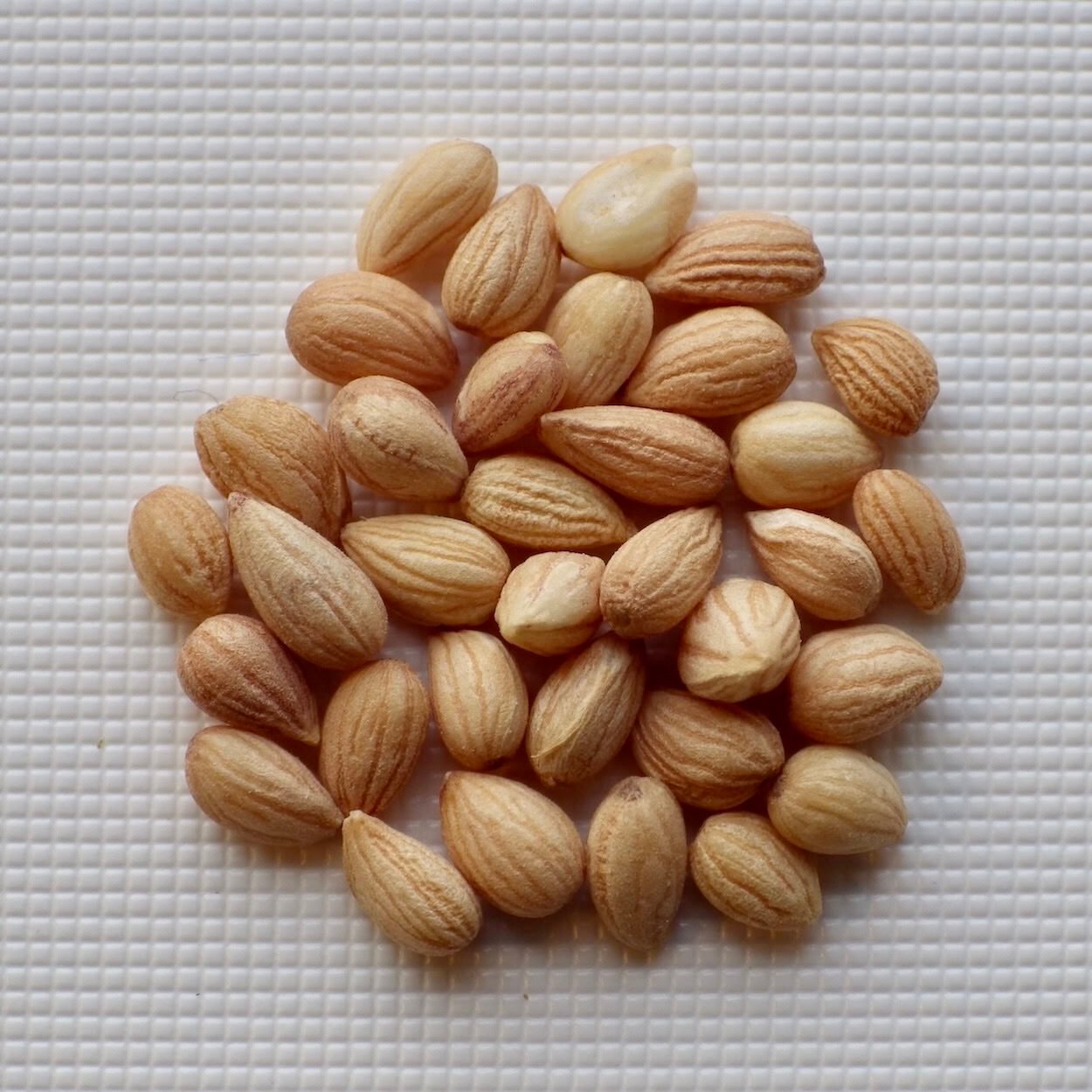
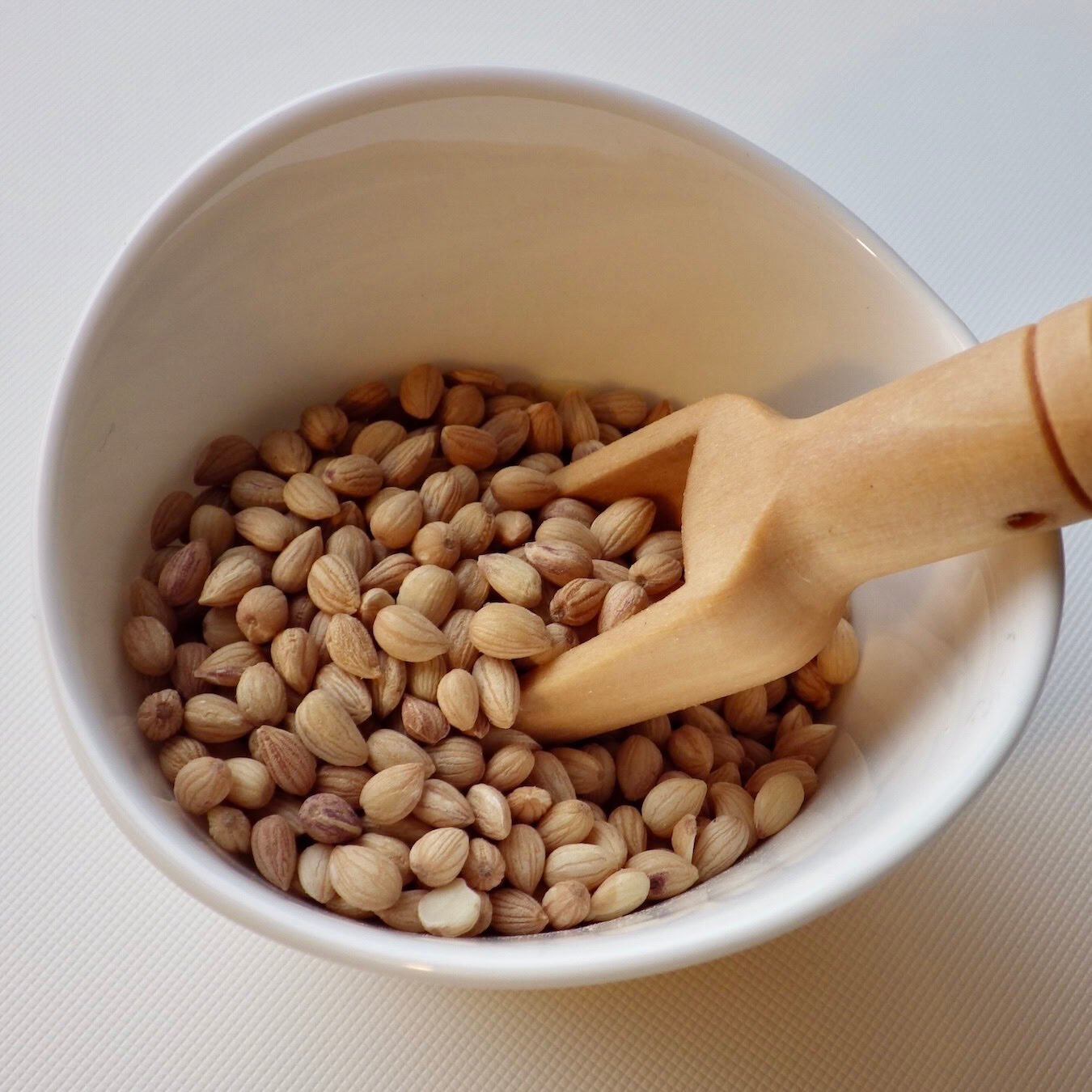
The cherry pits that house mahlab are brown, and the teardrop-shaped seed kernels within are beige with slightly darker vertical grooves. Ground mahlab is pale yellow.
PRODUCTION
Prunus mahaleb typically flowers in spring, with its small cherries ripening from summer into early autumn, depending on climate and location. Once harvested, the fruits are de-pitted, leaving the hard cherry stones that protect the aromatic kernel inside. Each pit must be carefully dried until it is brittle enough to be cracked open. This drying step is critical as it allows the valuable kernels to be extracted without taking damage. The kernels are then further dried and cleaned, and sold whole or ground into the pale, fragrant spice known as mahlab.
FLAVOR & AROMA
Mahlab's aroma is a curious blend of sweet, floral notes, akin to almonds and cherries with a hint of rose. It is comforting and elegant, evocative of marzipan, freshly baked pastries, and blooming spring gardens.
Mahlab’s flavor starts as a subtle bitterness but quickly turns warm, nutty, floral, and honeyed. It's a flexible profile that works in sweet and savory dishes as well as coffee and tea. Ground kernels offer a smooth, powdery texture that melts on the tongue.
CULINARY USES
Mahlab is particularly cherished in Middle Eastern and Mediterranean cuisines, where it has been used for centuries. It's a beloved addition to pastries, cookies, and breads. In the famous Turkish, Greek, and Armenian Easter breads, mahlab is synonymous with celebration.
It also pairs well with dairy, elevating the creaminess of milk puddings, custards, ice creams, and cheeses like the Syrian tresse. It can just as effortlessly complement the richness of meats, especially lamb.
