

How to Use Fenugreek Leaf
The Herb of Curry and Spice
Earthy · Bitter · Savory · Nutty
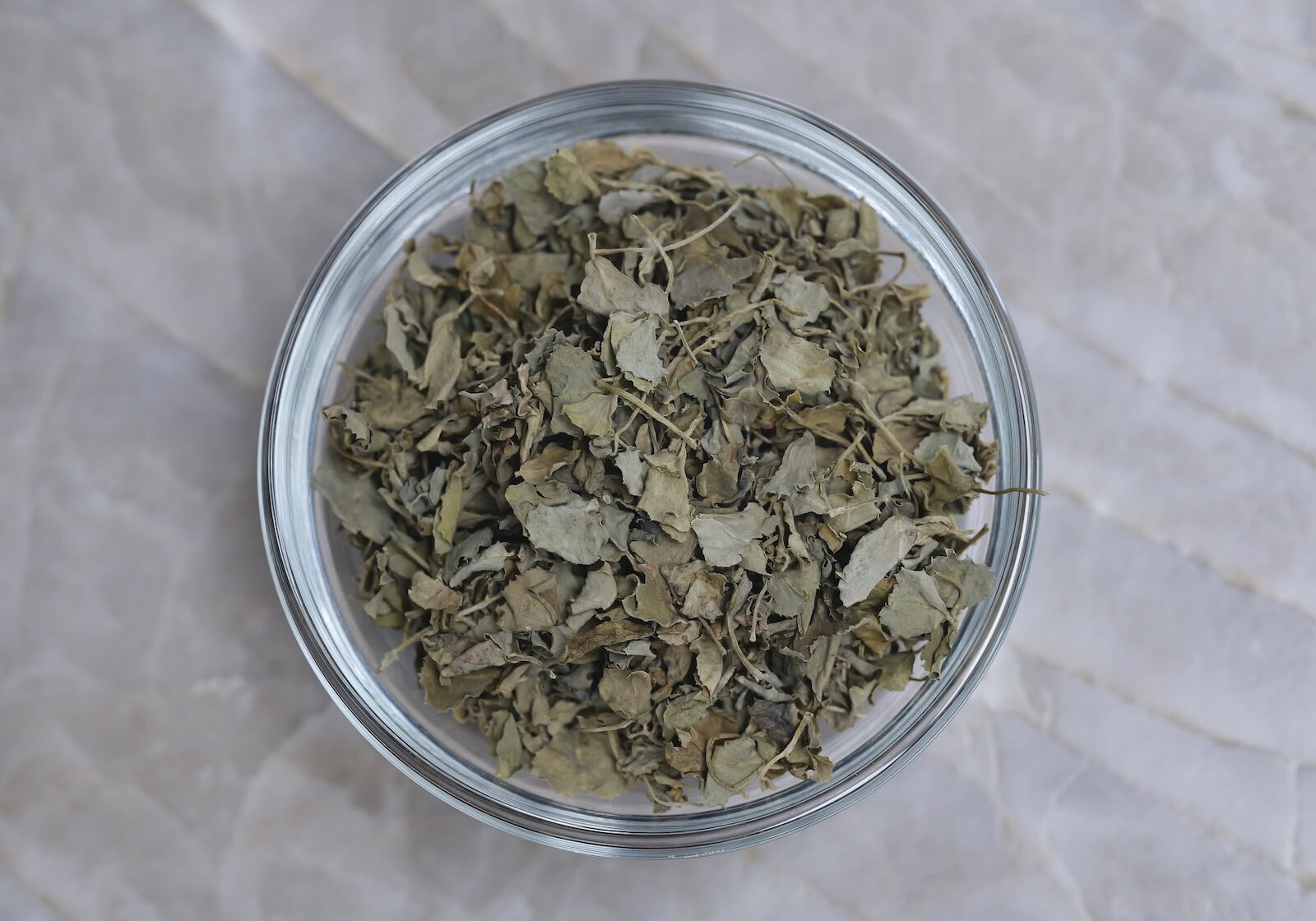
Fenugreek leaf adds depth, warmth, and savoriness to curries, breads, and vegetable dishes. Used with restraint, it makes humble ingredients undeniably soulful.
FORMS
- Fresh fenugreek leaves bring a delicate herbal bitterness and can be cooked like spinach or stirred into rice or dough for naan and flatbreads.
- Dried fenugreek leaf (kasuri methi) is intensely aromatic with nutty and maple-like notes. It's often crumbled over curries, dals, stews, and sauces at the end of cooking, or used in spice blends.
STORAGE
- Fresh fenugreek leaves keep for 2-3 days in the refrigerator, wrapped in a damp towel or stored in a container. For longer storage, they can be blanched and frozen.
- Dried leaves should be kept in an airtight container, in a cool, dry, dark place, and used within 6-12 months for peak potency.
PREPARATION
- Chopping: Fresh leaves can be finely chopped and added to doughs, stir-fries, or vegetable dishes. Just be sure to trim away any tough stems first.
- Crumbling: Rub dried leaves between your fingers right before adding to release their full aroma. It's best as a finishing herb so the diner can experience the complete flavor profile.
COOKING
- Sautéing: Treat fresh leaves like spinach. Lightly cook them to soften their bitterness.
- Pairing: Widely used in South Asian and Persian cooking, the dried leaves are great for balancing hearty ingredients. Classic pairings include potatoes, lentils, spinach, rice pilafs, fish curries, and lamb stews like Persian ghormeh sabzi.
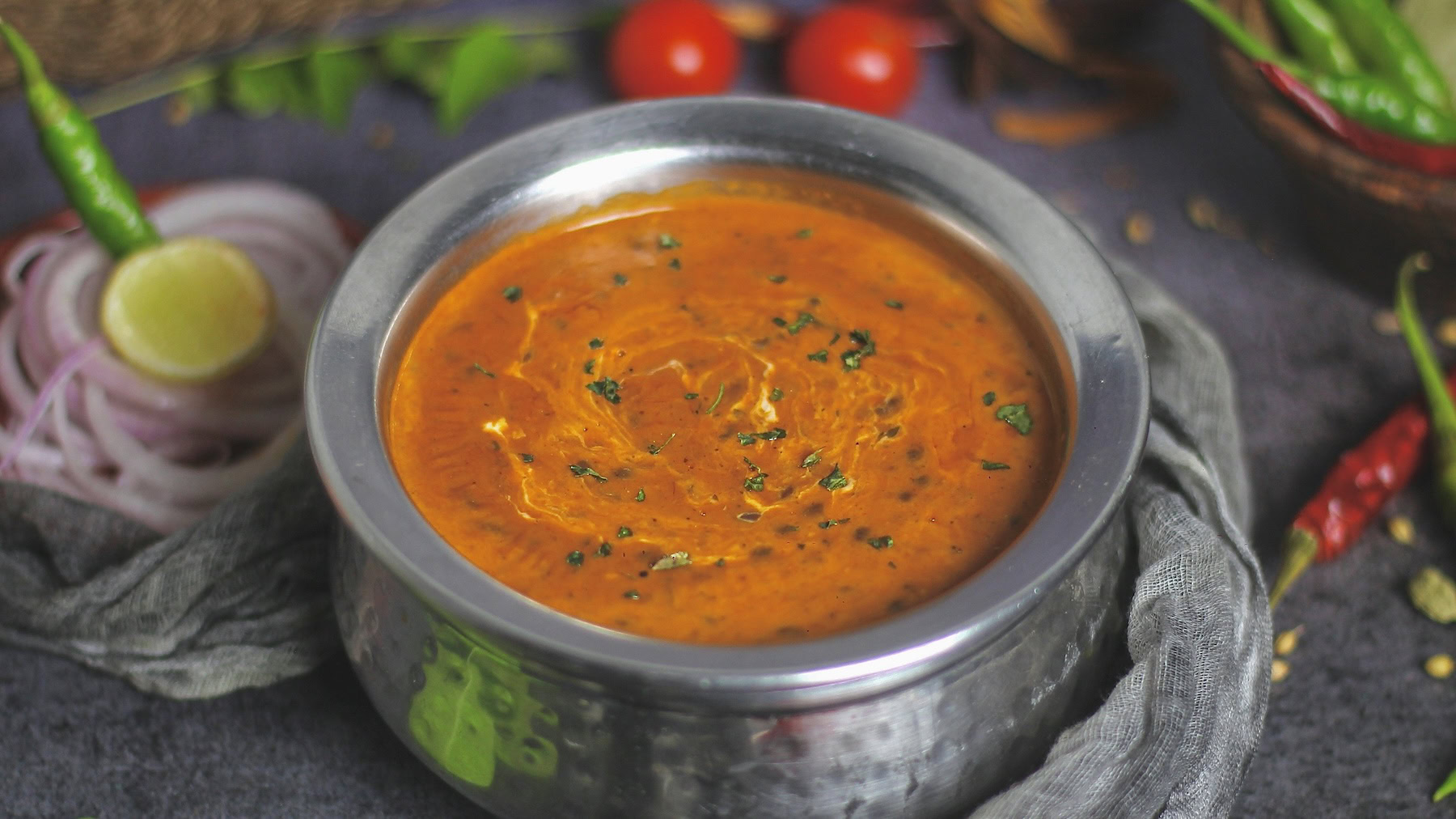
An Indian tomato-based curry finished with kasuri methi. Dried fenugreek leaves' slightly bitter, maple-esque aroma is one of the most recognizable finishing notes in North Indian cooking. They are added off-heat and rubbed between the palms just before topping the dish.