

How to Use Dill
The Herb of Spring
Herbaceous · Grassy · Sweet · Light
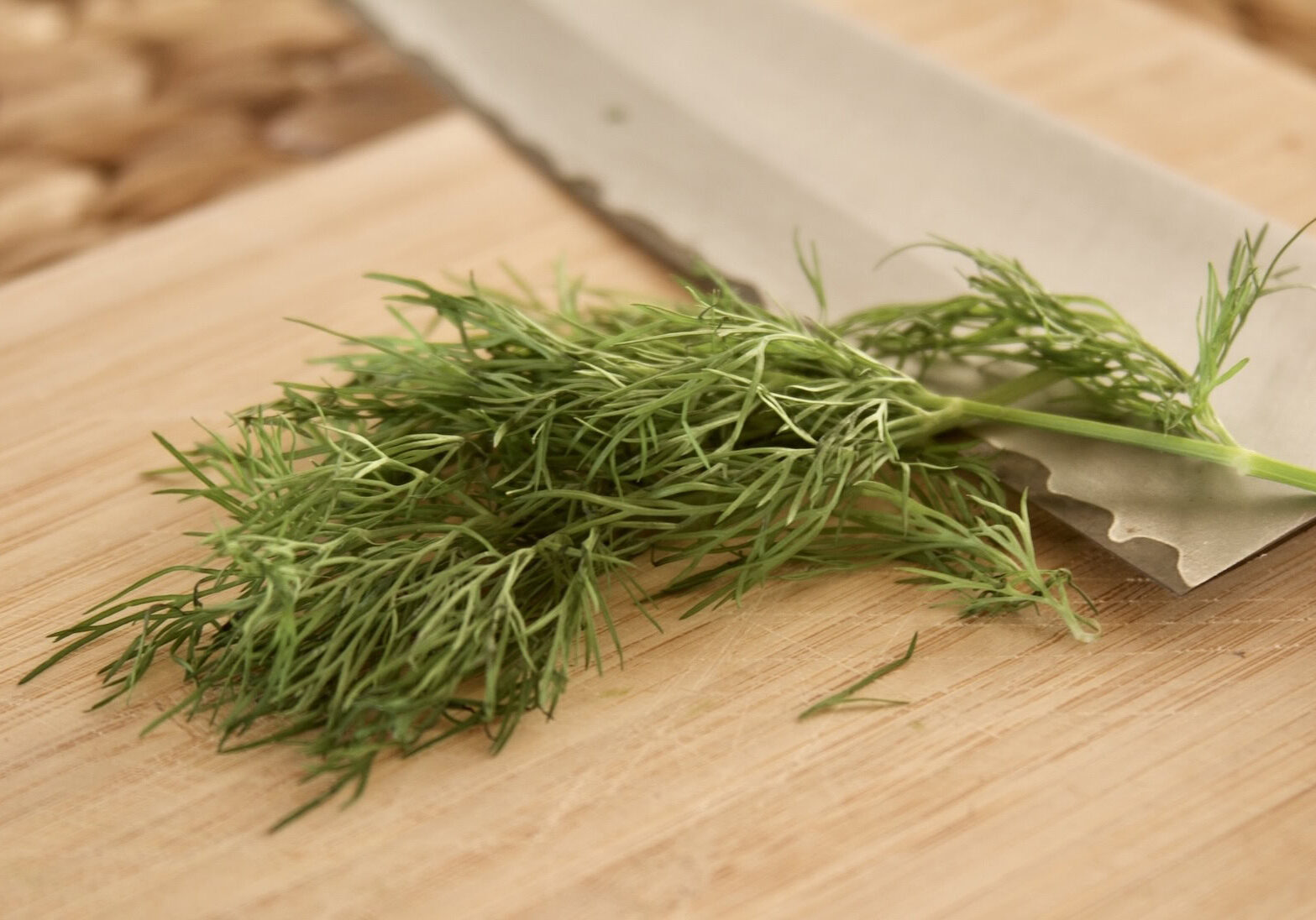
With notes of anise, lemon, and green grass, the feathery fronds of the dill plant bring an airy, tangy freshness to fish, yogurt, creamy sauces, and potato dishes. It’s delicate, but so impactful. If a dish calls for dill, it needs dill.
FORMS
- Fresh: Dill is almost always preferred fresh over dried because the herb's signature sweet, grassy top notes dissipate entirely during the drying process. Choose fresh if you want the true flavor and aroma that effortlessly brightens both delicate and hearty dishes.
- Dried: Dried dill "weed" is available, offering a milder dill essence that, while incomplete, still serves certain dishes well, especially stuffings, rubs, and sauces.
- Flowers & Stems: These lesser-known parts are great infusers for broths and pickling brines.
STORAGE
- Fresh: Store fresh dill sprigs in the refrigerator, either wrapped in a damp paper towel or upright in a glass of water, loosely covered with plastic. Either method will extend its freshness for several days.
- Dried: Dried dill weed keeps about 6 months if kept airtight away from light, heat, and moisture. But since it's already lacking in the flavor department, you can always just toss all your aging dill weed in a soup.
- Frozen: For longer storage, freeze chopped dill in ice cube trays with water or oil.
PREPARATION
- Chopped vs. Whole Sprigs: When you want a crisp finishing flavor to elevate the whole meal, finely chop fresh fronds just before serving to release a burst of the herb's full aroma all at once. Whole sprigs, on the other hand, can be used as decorative (and delicious) garnishes, or steeped in soups and sauces, then removed before serving.
- Grinding: Grind dried dill weed into powder with an electric grinder or handheld herb mill for a more even flavor distribution in sauces and dressings.
COOKING
- When to Add: When cooking with dill, timing is paramount. Fresh dill is best added raw at the very end of cooking, as heat quickly diminishes its delicate oils. For a mellower approach, you can incorporate dried dill earlier since it holds up better over time.
- Pairing: Dill is a natural partner for fish (salmon with dill and lemon is a classic), potatoes, cucumbers, eggs, and dairy. Dill balances both fat and acidity, so it's excellent with feta, sour cream, cottage cheese, or any rich meat.
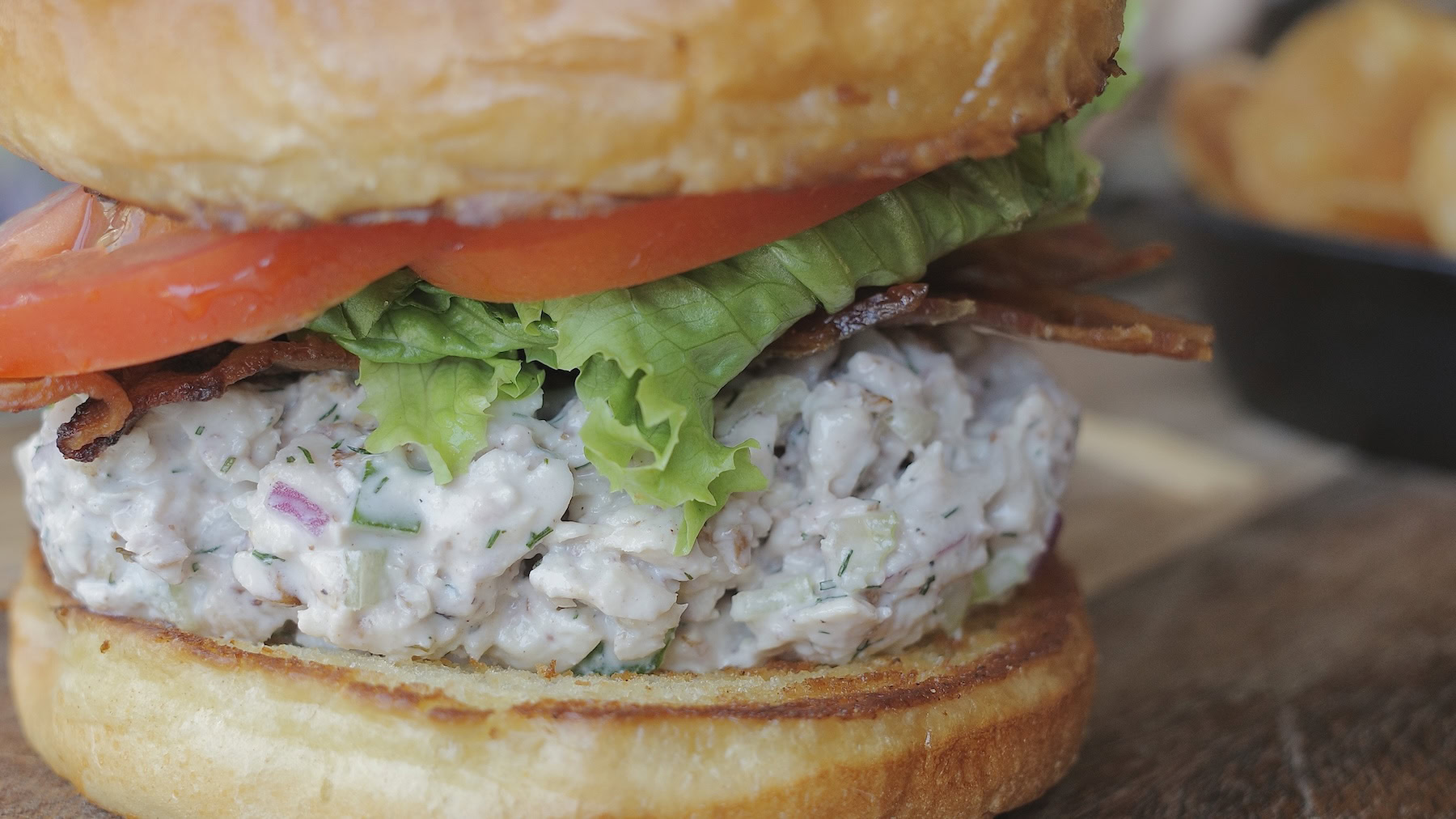
A delicious dill chicken salad sandwich. Dill's affinity for anything dairy-based or protein-rich makes it the natural choice here. Its grassy brightness cuts through the mayo while complementing both the chicken and the smokiness of the bacon.