

How to Use Anise
The Timeless Spice
Licorice-like · Sweet · Warm · Herbal
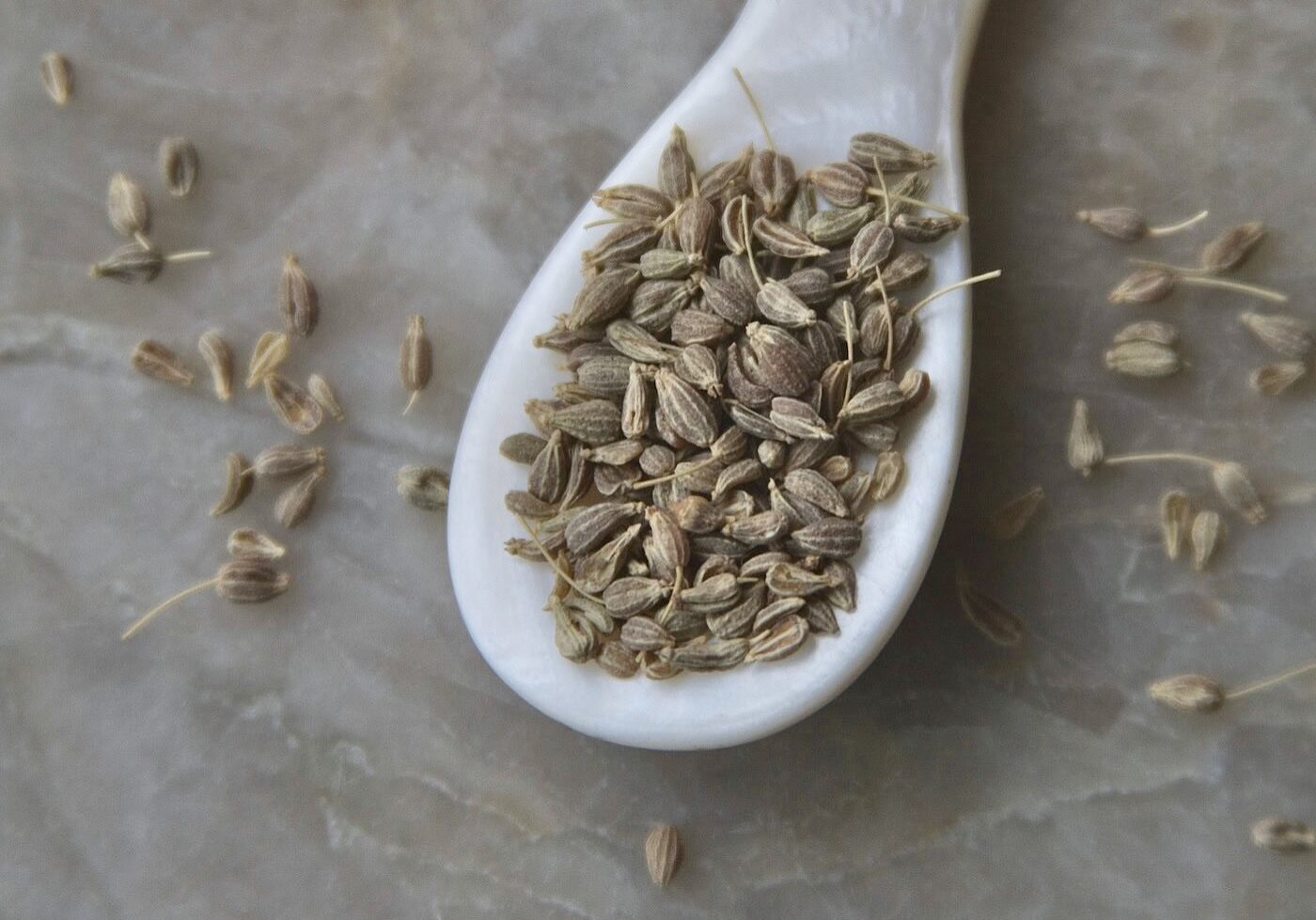
With its unmistakable licorice-like aroma and sweet, warming flavor, anise famously shines in breads, desserts, candies, teas, and liqueurs. But don’t be afraid to venture beyond its popular uses. Its bold character also plays well with lentils, vegetables, fish, lamb, and pork, especially in slow-cooked stews.
FORMS
- Whole: Aniseeds are so small, and they crush so easily, that grinding isn't really necessary. This makes them rather convenient. Their slightly rough texture also adds an enjoyable crunch to a dish's mouthfeel.
- Ground: You can, however, grind the spice if you want its flavor to be quickly and evenly dispersed. See how and why below. Use freshly ground anise as soon as possible after grinding—ideally immediately for your dish, but at the most within 1 to 2 weeks.
STORAGE
- Whole: Since the most desirable, delicate top notes of any spice quickly dissipate once ground, it's best to buy and store whole anise. If kept in an airtight container in a cool, dry, dark place, aniseeds will keep for up to 3 years. But of course, the fresher the better.
- Ground: Pre-ground anise powders sold commercially tend to lose their brightness after about 6 months, though they remain usable (although much milder) for up to a year.
PREPARATION
- Grinding: Use an electric grinder to create a fine, uniform powder. This is most useful for baking (where whole seeds can disrupt the texture), spice blends (where a smooth consistency is key), and meat rubs or marinades (where ground spices penetrate the meat better).
- Toasting: Toast whole aniseeds on low heat to heighten their aroma, adding nutty, caramel-like notes. The heat also makes the seeds more brittle (easier to grind and crunchier for mouthfeel). Be careful not to over-toast, though, as the spice's delicate sweetness can quickly turn bitter. For even toasting, shake the pan often so no seeds scorch.
- Coating: Poultry, root vegetables, or even nuts can be rubbed with lightly cracked aniseeds, salt, and other complementary spices or herbs. Cracked seeds stick to the surface as they release their oils during roasting or baking, creating a crispy, fragrant crust. This method works especially well when paired with honey glazes or savory marinades to deepen caramelization.
COOKING
- How Much to Use: You don't need much. Just a few seeds can give a dish clarity, especially when paired with cream, citrus, or fat.
- Blooming: Anise's primary flavor compound, anethole, ignites our sweetness receptors, making it seem 13 times sweeter than sugar. However, anethole doesn’t dissolve well in water, so you need fat or alcohol to amplify its presence. Fry aniseeds in a little oil or butter before tossing in the rest of the ingredients. You can also drizzle this infused oil over lentils or vegetables for a delicious snack. In hot, liquid-based dishes, a splash of wine or spirits helps carry the anethole through the pot.
- Infusing: In the same vein, whole aniseeds can be simmered gently or steeped in liquids like milk, cream, syrups, or liqueurs to draw out their full flavor. This technique is popular in desserts (custards, rice puddings), beverages (anise liqueurs, mulled wine), and even broths or teas. Remove the seeds when the infusion is complete to prevent the flavor from becoming too bitter.
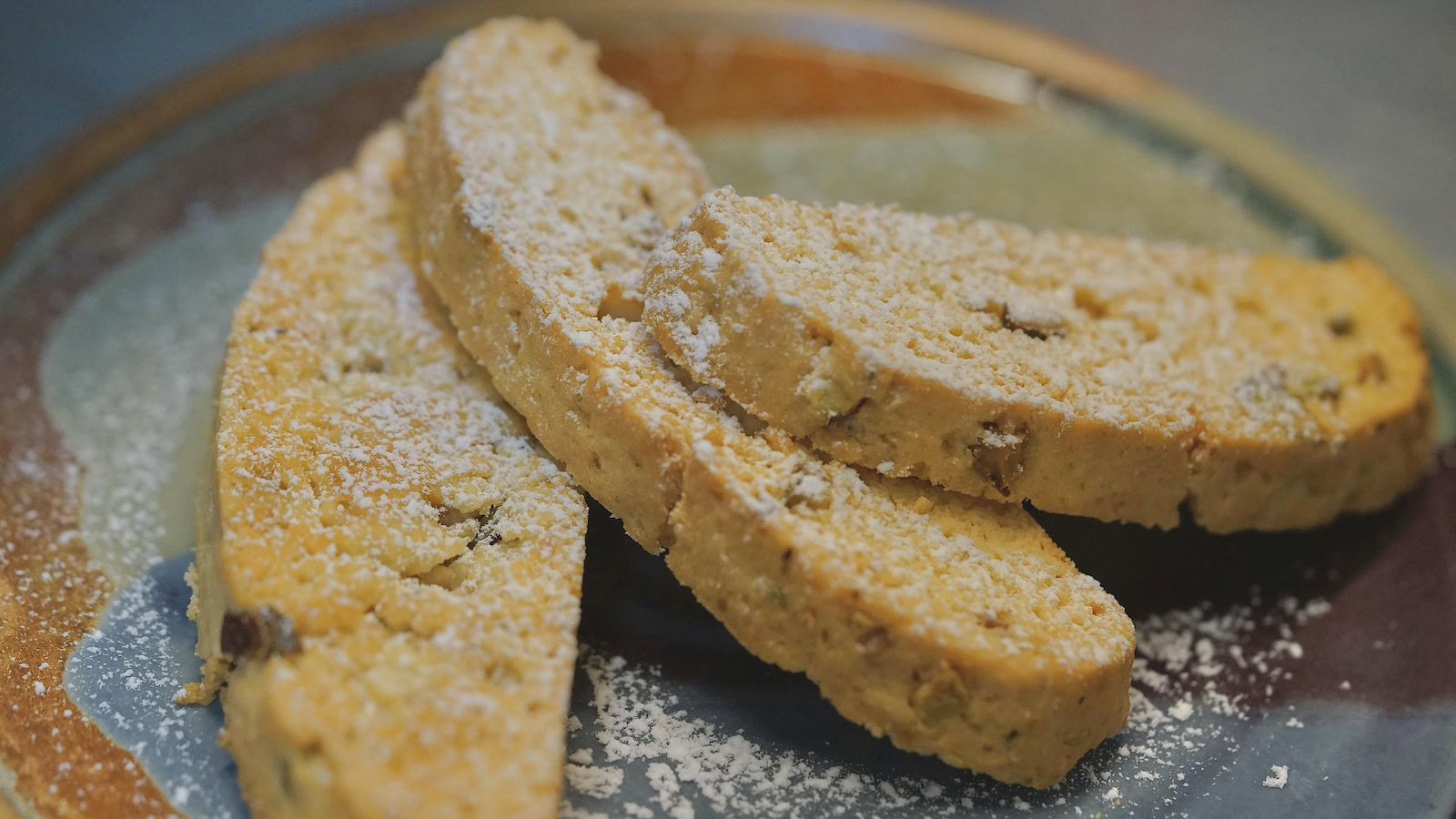
Biscotti all'anice, the twice-baked Italian classic where anise does exactly what a spice should: it disappears into the background, then announces itself on the finish.